
11 Ways to Motivate Yourself to Walk the Dog
Can't find the motivation to walk the dog? These 11 realistic tips, from music and walking buddies to training games and new trails, make walks easier to start and more fun for you and your dog. Includes how much walking dogs need and how to walk safely in Queensland heat.
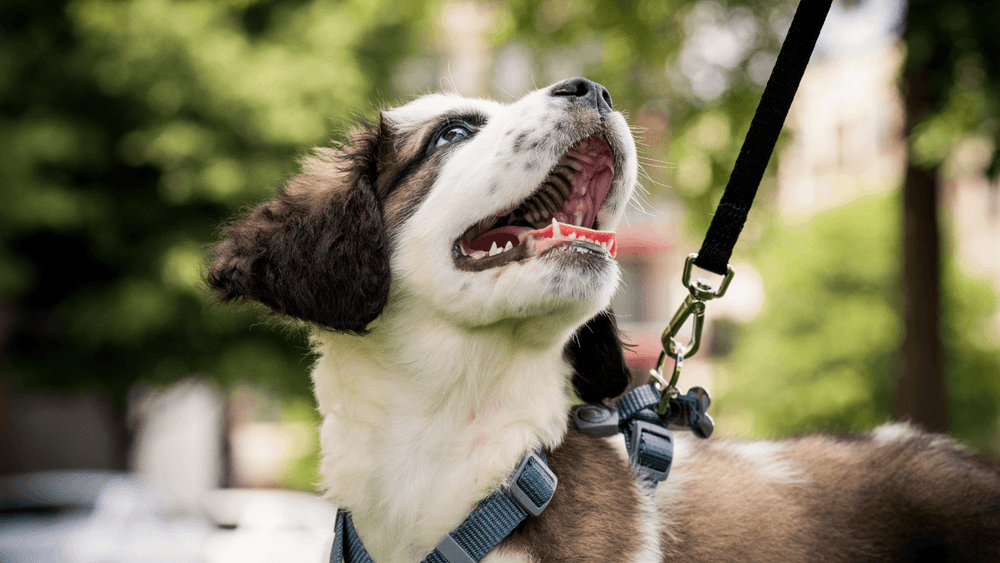
Going for a daily walk is a chance to bond with your pup, and it's good for both of you. But let's face it, some days finding the mojo to pick up the lead is a real struggle. It's hot, you're tired, and the couch is calling.
The good news is you don't need more willpower. You need a few tricks that make the walk easier to start and more fun to finish. Below are 11 realistic ways to keep yourself keen, plus how much walking your dog actually needs and how to stay safe in the Queensland heat.
I get it, because I'm there too. Some afternoons I'm picking up my 4-year-old from kindy after a long day and a walk is the last thing I feel like. So I remind myself that walking instead of driving kills three birds with one stone. I do the pick-up, I get my own exercise in, and Bindi gets her daily walk. Stacking my jobs together like that is what keeps me going.
What are the best ways to motivate yourself to walk the dog?
Step 1: Make it part of your daily routine
Dogs love routine, and so do our brains. Pick a set time, like straight after breakfast or as soon as you get home from work, and treat it like any other appointment. Keep the lead, poo bags and a water bottle by the door so nothing slows you down. When walking is just what happens at 6 am, you stop having to talk yourself into it.
Step 2: Walk at the coolest time of day
In Queensland, heat is one of the biggest reasons walks get skipped, and it's a real risk for dogs too. Go early in the morning or after the sun drops, and choose shady tracks or grass over hot footpaths. Before you head off, try RSPCA Australia's five second rule. Put the back of your hand on the ground for five seconds. If it's too hot for you, it's too hot for your dog's paws.
Step 3: Use music or a podcast
This one is my favourite. Everything is better with a decent playlist, so find an hour-long mix to keep the walk upbeat and fun. Keep the volume low or one ear free so you can still hear bikes, cars and other dogs coming.
Step 4: Remember how much it means to your dog
Your dog depends on you for their daily walk, and their excitement when it's walkies time is heart-warming. A walk isn't just exercise for them. It's a chance to sniff, explore, meet other dogs and spend one-on-one time with you. Dogs that don't get enough exercise can become frustrated, and that can show up as unwanted behaviour at home.
Step 5: Do it for your health too
Walking the dog is a free way to get your own exercise in. Australia's physical activity guidelines recommend adults get 150 to 300 minutes of moderate activity each week, and daily dog walks can make a big dent in that. A large Swedish study of more than 3.4 million adults even found that people living alone who owned a dog had a lower risk of heart disease.
One tip: a University of Sydney study found that a relaxed, on-lead dog walk is usually light exercise. If you want it to count as moderate exercise, add a few brisk stretches where you walk fast enough to breathe a little harder.
Step 6: Turn the walk into a training session
Walks are perfect for practising training outside, where there are real distractions. Work on sit, wait and loose lead walking to give your dog's brain a workout as well as their legs. If your dog pulls, RSPCA Australia suggests you stop and stand still rather than jerking the lead, then reward your dog when they come back to your side. For extra help, find a dog trainer near you.
Step 7: Explore somewhere new
No need to walk the same old track like a sheep! Once or twice a week, try a new park, waterway, trail or dog-friendly beach. New smells and sights are exciting for your dog and make the walk feel like a mini adventure for you too. In Townsville, check out our list of off-leash dog parks in Townsville. RSPCA Australia recommends saving off-lead time for safe, fenced areas.
Step 8: Bring some company
We're all time poor, so turn your dog walk into catch-up time. Invite a friend, your partner or the kids along, or team up with other dog owners in your street. Free Heart Foundation Walking groups run across Australia, and some welcome dogs. Having someone waiting for you is a great reason not to cancel.
Step 9: Set small goals and track them
Start with an easy target, like walking every day for a week, then build up to longer walks or a new trail each month. A fitness app or step counter shows your progress, and a quick photo from each walk makes a fun record to look back on. Reaching a goal feels great and keeps you coming back.
Step 10: Reward yourself and your dog
You've earned it! After a good walk, treat yourself to a coffee at a dog-friendly café while your dog enjoys a cool drink of water or a puppuccino. Ending on a treat builds a happy link with walks for both of you.
Step 11: Get help when you need it
Some weeks are just too full, and that's okay. A local dog walker can keep your dog's routine going, and a trainer can help if pulling or reactivity is making walks stressful. If your dog seems sore, tired or reluctant to walk, book a check-up with your vet. Find dog walkers and trainers near you.
Why is it so hard to get motivated to walk the dog?
Usually it's not that you don't care. Researchers from the University of Sydney found that summer heat, bad weather, a dog that pulls or misbehaves, and even comments from other people can all put owners off walking. Add a long work day and the same boring route and it's easy to put it off until tomorrow.
The trick is to remove as many of those roadblocks as you can, then make the walk something you look forward to.
How much walking does my dog need?
It depends on your dog's age, breed, size and health, but every dog needs time out of the house and yard each day. RSPCA Australia says walking your dog at least daily is crucial for their health and welfare. Guide Dogs Australia encourages two 30-minute walks a day, one in the morning and one in the evening.
As a rough guide:
- Working and herding breeds such as Kelpies, Cattle Dogs and Border Collies need the most exercise.
- Older or unwell dogs may be happy with around 20 minutes out of the house.
- Puppies need short, gentle sessions while their bones are still growing.
If you're not sure, ask your vet to help you set a plan for your dog.
How do I keep my dog safe on walks in hot weather?
- Walk in the early morning or evening, not the middle of the day.
- Test the ground with the five second rule before you go.
- Stick to grass and shady paths where you can.
- Carry water for both of you and take breaks.
- Don't exercise your dog straight before or after a big meal. It can cause bloat, especially in large, deep-chested breeds.
- Watch for heavy panting, lagging behind or lying down. Stop in the shade, offer water and call your vet if your dog doesn't recover quickly.
So, get to walkin'!
You don't have to love every walk. Pick one or two tips, try them this week and see what sticks. Your dog will thank you, and so will your heart. Looking for somewhere to go afterwards? Browse dog-friendly businesses near you on Social Pet Society.
Quick Guide: 11 Ways to Motivate Yourself to Walk the Dog
Can't find the motivation to walk the dog? These 11 realistic tips, from music and walking buddies to training games and new trails, make walks easier to start and more fun for you and your dog. Includes how much walking dogs need and how to walk safely in Queensland heat.
- Time
- 30 minutes, once or twice a day
- Difficulty
- Easy
Checklist
- Lead and collar with ID tag
- Poo bags
- Water bottle for you and your dog
- Collapsible water bowl
- Training treats
- Hat and sunscreen
- Comfortable walking shoes
- Phone with your playlist or podcast
- Check the ground is cool enough for paws
Frequently asked questions
How often should I walk my dog?
Most dogs need at least one walk every day, and many do best with two. Guide Dogs Australia suggests two 30-minute walks, one in the morning and one in the evening. Older or unwell dogs may need shorter walks, so check with your vet.
What is the best time to walk my dog in Queensland?
Early morning or evening is best, especially in the warmer months. Footpaths and roads can burn paws in the middle of the day. Use the five second rule. If the ground is too hot for the back of your hand, it's too hot for your dog.
Does walking my dog count as exercise for me?
Yes. Australian guidelines recommend adults do 150 to 300 minutes of moderate activity a week, and dog walks count towards it. A relaxed on-lead walk is usually light exercise, so add some brisk sections to get more benefit.
What can I do if my dog pulls on the lead?
Stop and stand still when your dog pulls, then reward them when they come back to your side with a loose lead. Don't jerk the lead or scold them. If pulling makes walks stressful, a local dog trainer can help.
What if I really can't walk my dog today?
Some days it just won't happen. Try a short sniff walk around the block, a training session or puzzle toy at home, or book a dog walker. Get back into your routine the next day.
This article is for general information only and isn’t a substitute for professional advice. The sources we used are listed below.
References
- Australian Government Department of Health and Aged Care. (2021). Australia's physical activity and sedentary behaviour guidelines for adults (18–64 years): Fact sheet. https://www.health.gov.au/sites/default/files/documents/2021/09/physical-activity-and-sedentary-behaviour-guidelines-adults-18-to-64-years-fact-sheet_0.pdf
- Heart Foundation Walking. (n.d.). The benefits of walking with a dog. https://www.heartfoundationwalking.org.au/blog/benefits-of-walking-with-your-dog
- Li, C., Powell, L., Stamatakis, E., McGreevy, P., Podberscek, A., Bauman, A., & Edwards, K. (2024). Is dog walking suitable for physical activity promotion? Investigating the exercise intensity of on-leash dog walking. Preventive Medicine Reports, 41, 102715. https://pmc.ncbi.nlm.nih.gov/articles/PMC11002884/
- McGreevy, P., & Bauman, A. (2018, July 30). Are you walking your dog enough? The Conversation. https://theconversation.com/are-you-walking-your-dog-enough-100530
- Mubanga, M., Byberg, L., Nowak, C., Egenvall, A., Magnusson, P. K., Ingelsson, E., & Fall, T. (2017). Dog ownership and the risk of cardiovascular disease and death: A nationwide cohort study. Scientific Reports, 7, 15821. https://doi.org/10.1038/s41598-017-16118-6
- Pet Circle. (2026). How much exercise do dogs need? A vet's guide. https://www.petcircle.com.au/discover/how-much-exercise-do-dogs-need
- RSPCA Australia. (2018, January 24). Let's talk about walks. https://www.rspca.org.au/latest-news/blog/lets-talk-about-walks
Related articles
Health and Wellbeing
How to Make Walking the Dog Part of Your Daily Routine (the Atomic Habits Way)
Struggling to walk the dog every day? Here’s how I used the four rules from Atomic Habits to turn our dog walk into a habit that sticks, plus a fill-in plan you can print and put on the fridge.
· Talitha Mulder

Health and Wellbeing
Is Having a Pet Good for Kids? What the Research Says
Is having a pet good for kids? From responsibility and empathy to comfort for only children, here’s what research says about kids and pets, the best age to get one, and how to keep babies and young children safe around animals.
· Talitha Mulder
Health and Wellbeing
How to Build a Stronger Bond With Your Dog (What the Research Says)
Want a closer bond with your dog? Learn what science says about the dog and human bond, the signs your dog is attached to you, how long bonding takes, and four simple ways to strengthen your connection through touch, play, routine and a calm home.
· Talitha Mulder