
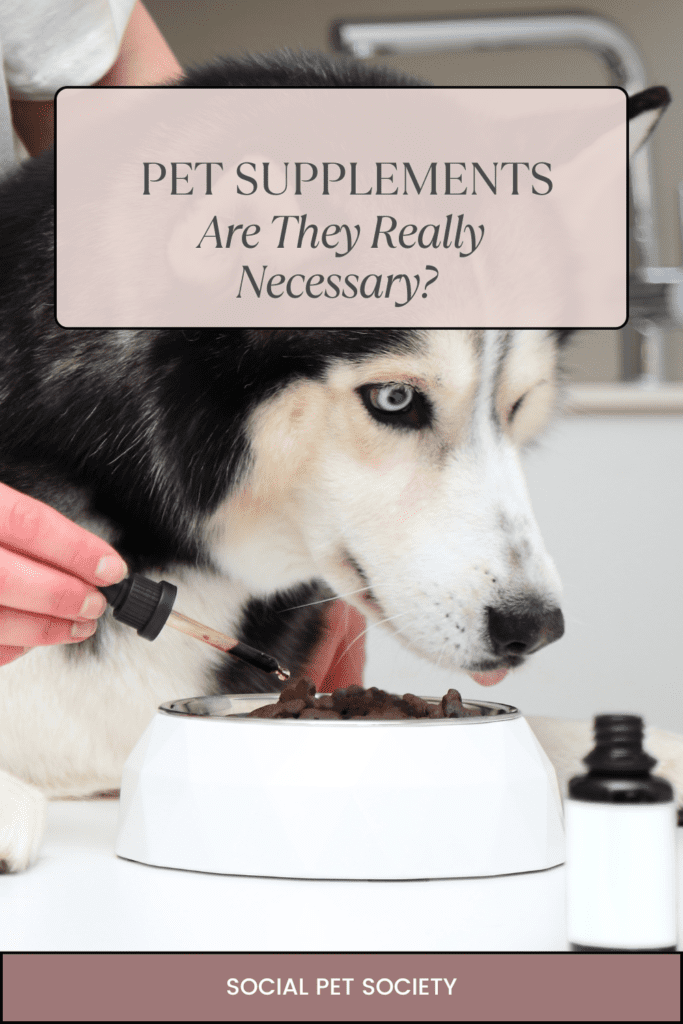

As pet owners, we all want to give our furry friends the best possible care. We strive to ensure they’re healthy, happy, and living their best lives. But with so many products available on the market, it can be hard to know what’s truly beneficial.
One such product is pet supplements. Whether it’s vitamins, joint health tablets, or digestive aids, the pet supplement industry is booming. But do these products live up to the hype? Are they really necessary for your pet’s health?
Let’s take a closer look at the truth behind pet supplements and uncover the facts every pet owner should know before adding them to their routine.
Table of Contents

Disclosure: This article includes affiliate links. If you click on these links and make a purchase, I receive a small commission. This comes at no extra cost to you but greatly supports the maintenance of this site. Learn more here.
Supplements Aren’t Always Needed for a Healthy Pet Diet
First things first: a balanced, high-quality pet food is usually the best foundation for your pet’s health.
Many pet food brands are carefully formulated with the right amount of nutrients your dog or cat needs.
This means that for most pets, if they’re eating a complete, well-balanced diet, they may not need supplements at all.
In fact, giving your pet supplements when they don’t need them can cause harm. Over-supplementation can lead to toxic levels of certain vitamins or minerals, particularly fat-soluble vitamins like A, D, E, and K.
The key here is to work with your vet to determine if your pet is getting everything they need from their food or if supplements would offer any additional benefit.
There Are Specific Health Conditions That Can Benefit from Supplements
While not all pets need supplements, there are situations where they can certainly be helpful. Pets with specific health conditions, such as arthritis, digestive issues, or allergies, may benefit from supplements that target those areas.
Joint health
Supplements containing glucosamine and chondroitin are often recommended for pets with arthritis or joint pain. These supplements can help support cartilage and reduce inflammation, potentially improving mobility and comfort for older pets or those with hip dysplasia.
Digestive issues
If your pet is suffering from gastrointestinal problems, probiotics and digestive enzymes can help promote a healthy gut and restore balance to their digestive system.
Skin and coat health
Omega-3 fatty acids, often found in fish oil supplements, can improve your pet’s skin and coat condition, alleviating dryness or itching due to allergies.
Not All Supplements Are Created Equal
If your pet has a diagnosed health condition, supplements may be part of a larger treatment plan prescribed by your vet, and these can be incredibly effective in improving their quality of life.
Just like with human supplements, not all pet supplements are the same. The quality and effectiveness can vary widely between brands. It’s crucial to choose supplements from reputable brands that undergo rigorous quality control testing and have a clear history of success.
Look for products that contain only high-quality ingredients and are free of unnecessary fillers or artificial additives.
You’ll also want to check the dosage instructions carefully, as improper dosages can cause issues. Some supplements can interact with medications your pet may already be taking, so it’s always a good idea to consult with your vet before introducing anything new into your pet’s routine.
Supplements Should Never Replace Veterinary Care
While supplements can offer health benefits, they should never be used as a substitute for regular veterinary care. If your pet is showing signs of illness or discomfort, it’s crucial to visit your vet to determine the underlying cause and develop a comprehensive treatment plan.
Supplements are intended to complement a healthy lifestyle, not to replace professional medical advice or intervention.
It’s also important to remember that the FDA does not regulate pet supplements as strictly as pharmaceuticals. This means there may be little oversight regarding efficacy and safety, so working with your vet ensures you’re making the right choices for your pet’s specific needs.
Conclusion
The truth about pet supplements is that, for most pets, they’re not always necessary. A balanced diet and regular vet check-ups are the best foundation for a healthy, happy pet.
However, for pets with specific health conditions or nutritional gaps, supplements can provide targeted support and improve their well-being. Always consult with your vet before introducing supplements into your pet’s routine to ensure you’re making the best decision for their health.
If you’re wondering whether supplements are right for your pet, I encourage you to schedule a visit with your vet. They can guide you in making informed choices based on your pet’s health needs, ensuring that every step you take toward their wellness is well considered.

