
Your Cat Needs Joint Supplements. But You Probably Can’t Tell.
My old black-and-white cat used to jump onto the kitchen island bench every morning to watch me make breakfast. But when he passed away, I suddenly couldn’t recall the last time I’d seen him do this. That’s when I realised he had gradually stopped until, in his final year, he wasn’t doing it at…
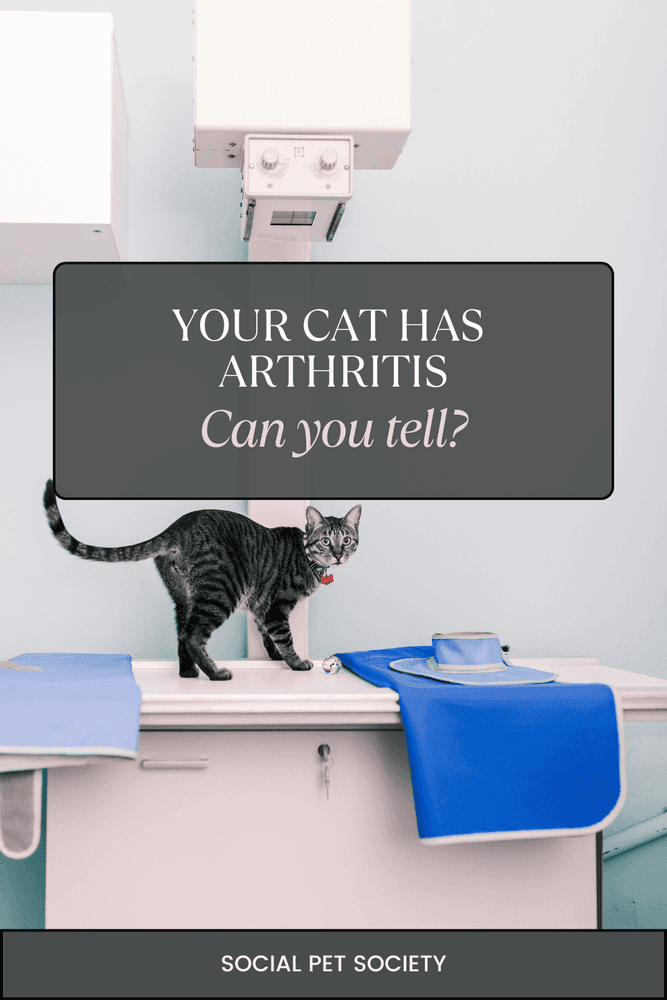
My old black-and-white cat used to jump onto the kitchen island bench every morning to watch me make breakfast. But when he passed away, I suddenly couldn’t recall the last time I’d seen him do this.
That’s when I realised he had gradually stopped until, in his final year, he wasn’t doing it at all. Looking back, I now realise his joints were probably suffering, and this was his subtle way of showing it.
Unfortunately, due to the stoic nature of most cats, by the time you notice a change in their health, they’ve likely been dealing with it for a while already.
In this article, I’ll explore the signs of arthritis and the ways you can help your cat maintain healthier joints.
Joint Pain in Cats is Sneaky.
Because cats are experts at hiding pain, you often won’t notice stiffness or any whinging.
In your cat, you may notice a drop in playfulness or slower movement.
Unfortunately, by the time you notice these changes, your cats joint problems are well established. Joint issues tend to start around 7 years old, and often go undetected for many years.
Omega-3 supplements can help – they can slow the progression of arthritis, reduce inflammation and ease pain.
A great product I recommend is the Nordic Naturals Omega 3 Pet – Fish Oil Liquid for cats – it’s an excellent supplement for your cats once they turn 6. Because when it comes to your cats healthcare, prevention is better than a cure!
What I'll Cover
Disclosure: This article includes affiliate links. If you click on these links and make a purchase, I receive a small commission. This comes at no extra cost to you but greatly supports the maintenance of this site. Learn more here.
What is Arthritis in Cats?
Arthritis is an inflammation in the joints. It happens when the cushiony cartilage between your cats bones wear down over time, causing pain, swelling, and stiffness in their joints.
61% of cats over 6 years have arthritis in their joints, especially in their shoulders, elbows, hips, knees, and ankles.
By the time you notice your cat limping, the problem has been there for some time. Make sure to talk to your vet if you see any changes in your cat’s behaviour that make you suspect joint issues.
Even if you don’t notice joint problems, I would recommend chatting with a vet once your cat turns 6 to make a treatment plan for your cat’s joint health moving forward [3].
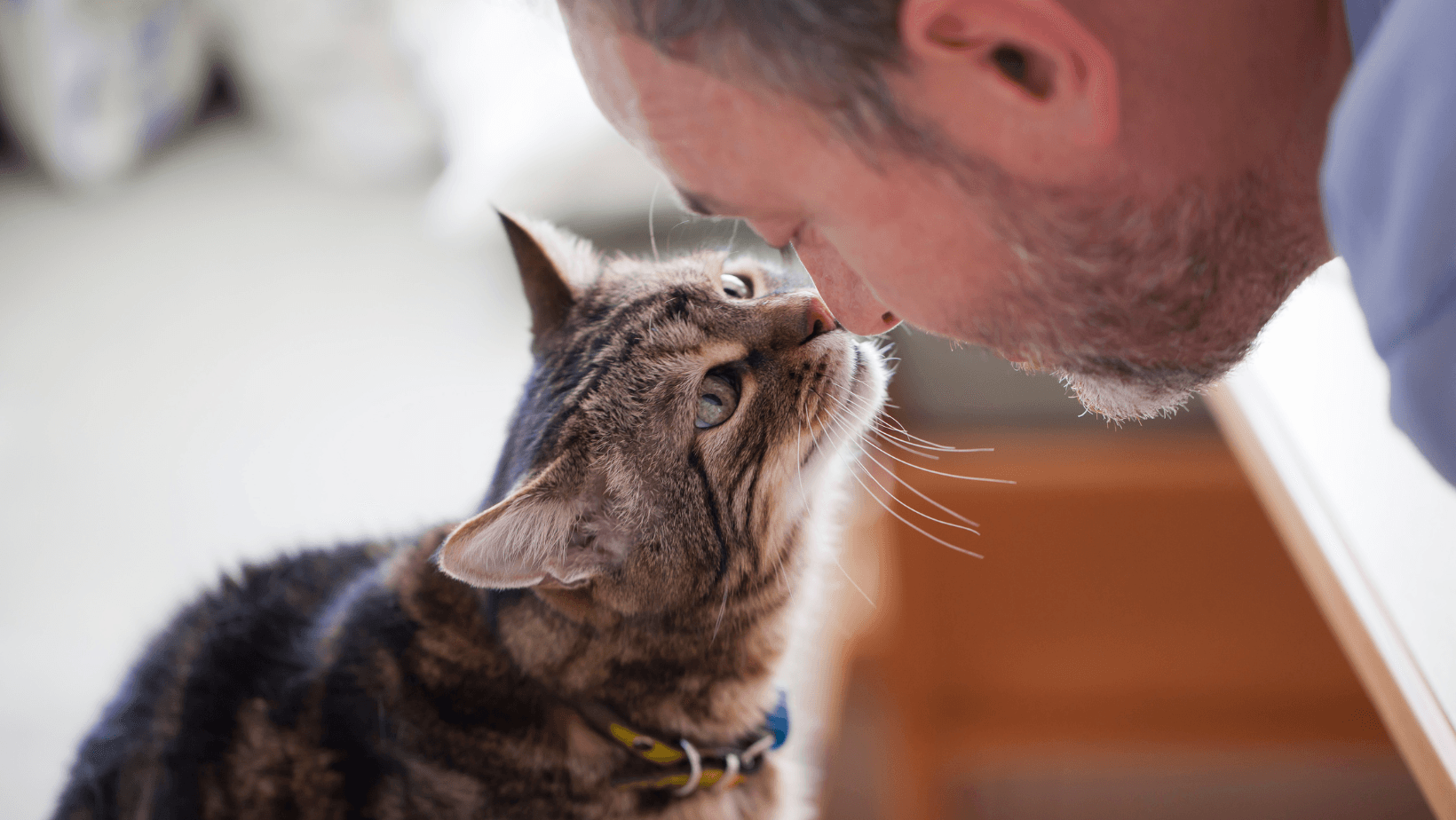
How to Spot Joint Pain in Your Cat:
Like I mentioned earlier, cats are superstars at hiding pain, making it tricky for you to spot when they’re feeling uncomfortable.
But there are some things to watch out for:
- Unlike dogs, your cat probably wont limp or show weakness in their legs.
- Watch for shifts in your cat’s routine.
- Keep an eye on their elbows and hips, as these areas are often affected.
- If your usually affectionate cat becomes distant or more aggressive, it might signal they’re in pain.
- Watch if they’re less active, losing weight, eating differently or grooming less.
- This makes it hard for your cat to jump or go to the toilet as they normally would.
It is especially important to watch for arthritic symptoms during colder weather when joint discomfort can worsen.
If you suspect your cat has joint issues, be a detective in their life. Take note of any subtle signs and talk to their vet about them. Sharing detailed observations can help catch and manage joint problems early.
Read more on arthritis signs and symptoms here.
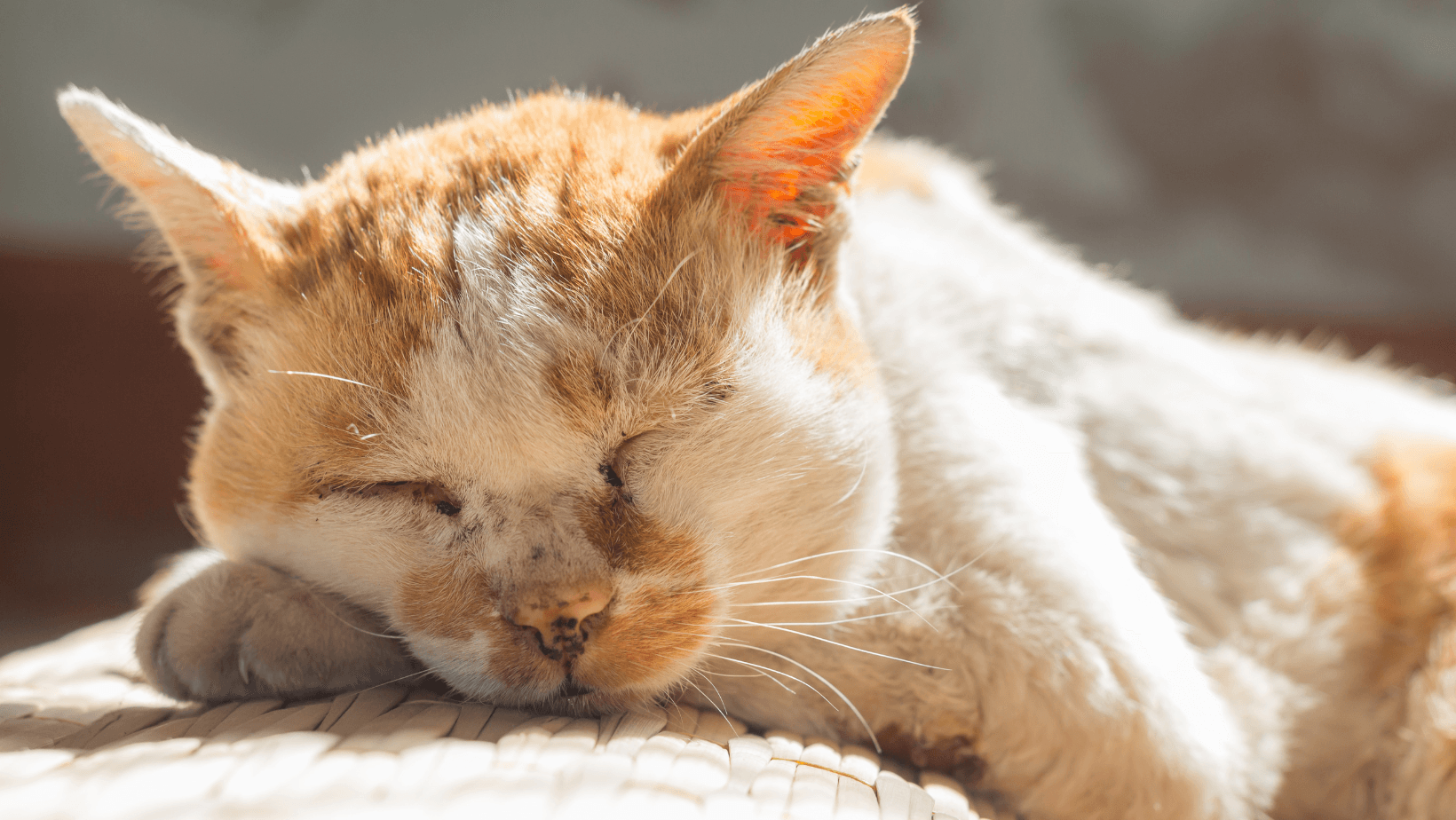
Prevention and Treatment:
When it comes to cats and joint health, one supplement is a stand out: Omega-3 Fish oil
Studies have proven time and time again that cats who take Omega-3 supplements show a noticeable boost in activity – a more playful bounce in their step.
Omega-3 reduces joint inflammation, which in turn protects it from inflammatory damage, keeping the joint moving smoothly.
Omega-3 supplements aren’t just effective; they are also safe, widely used and easily absorbed by your cats body!
If you are thinking about adding omega-3 supplements to your cat’s routine, there are many choices. Just make sure you look for quality products likeNordic Naturals Omega 3 Pet – Fish Oil Liquid. –this premium supplement offers a potent blend of omega-3 fatty acids, plus, how it’s made ensures the best absorption – maximising its benefits.
What Else Can Help my Cats Stiff Joints?
While supplements are a great starting point for your aging cat, there are other ways to help your cat stay comfortable if they are suffering with arthritis.
Since there is no cure for arthritis, it’s best to combine supplements with other treatments to manage your cat’s joint health and achieve the best possible outcomes.
Here are some other key ways to manage your cats joints;
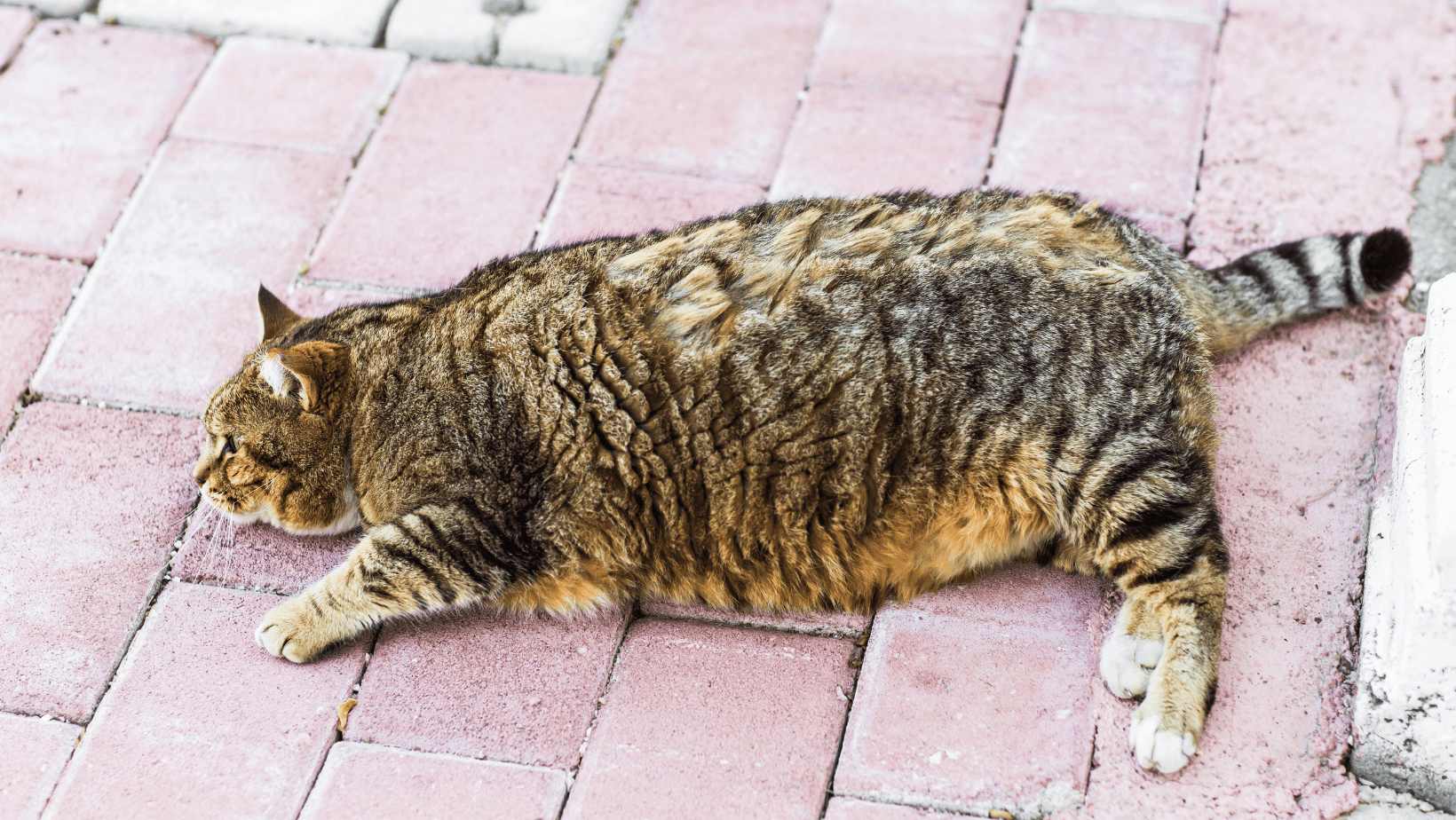
1. Manage their weight: Extra kilograms put added strain on your cats joints.
If your cat is carrying too much weight, it puts extra strain on their joints, which can make arthritic symptoms worse.
2. Change their environment: Low Pet Bedsand Low Profile Litter Trayscan make it easier for them to get around without overextending their joints.
3. Supportive gear: Using Elevated and Tilted Cat Bowls for your cats food and water can take the strain off their neck and back joints.
When to Start Supplements?
Understanding when to consider supplements for your cat is so important, especially when it comes to older cats suffering from arthritis. As 1 in 10 cats, over 12 years old, have obvious signs of arthritis on X-ray.
But just as important is the introduction of supplements for younger cats. Research shows that arthritis isn’t just an old cat’s problem. 16.5% of cats over 2 have arthritis in their legs and about 30% have some kind of joint issue. So while it’s more common in older cats, it’s smart to think about joint support early on.
At around 6 years old arthritis starts being a common issue in cats. This is probably the best time to start giving them joint supplements.
If you have any issues or questions, chat with your vet – they can discuss with you what’s best for your cat’s health, lifestyle, and any arthritis risk factors they might have [1] [2].
Any Side Effects with Omega-3?
Omega-3 fatty acids will help your cat with more than just their joints.
Omega-3 improves heart health, reduces inflammation, and improves brain function.
But like anything they take, omega-3 supplements can sometimes cause side effects (although they’re usually not too serious).
Here’s what your cat may experience:
- Digestive Issues: Some cats might get mild tummy troubles like diarrhoea or indigestion.
- Giving their supplements with food could ease these symptoms.
- Blood Thinning: Omega-3s can slightly thin the blood, which is good for the heart but could be risky if your cat has bleeding issues – your vet can let you know if this is a risk.
- It could interact with other medications: Omega-3s might not mix well with certain medications, so always discuss with your vet, particularly if your cat takes other medications, to avoid any mix-ups.
- Giving too much: Giving large doses of omega-3s could lead to some not-so-great effects like excessive bleeding or messing with their immune system.
- Stick to the recommended doses and have a chat with your vet if you’re thinking of upping their intake.
Conclusion
So what are the main points you should take from this article?
- You probably wont see arthritis signs in your cat before it becomes a problem.
- Starting Omerga-3 supplements early does wonders in preventing inflammation and pain in your cat (from 6 years is recommended)
Do you already give your cat supplements? Let us know in the comments what is working for you and your cat!
Sources:
[1] Llera, R., Downing, R., (2024). Arthritis in Cats. myVCA. https://vcahospitals.com/know-your-pet/arthritis-in-cats
[2] Bennett, D., Zainal Ariffin, S. M., & Johnston, P. (2012, January 1). Osteoarthritis in the cat: 1. How common is it and how easy to recognize? Journal of Feline Medicine and Surgery. https://doi.org/10.1177/1098612X11432828
[3] Slingerland, L.I., Hazewinkel, H.A.W., Meij, B.P., Picavet, Ph., & Voorhout, G. (2011). Cross-sectional study of the prevalence and clinical features of osteoarthritis in 100 cats. The Veterinary Journal, 187(3), 304-309. https://doi.org/10.1016/j.tvjl.2009.12.014
Tags
Related articles

Pet-Friendly Business Growth
Ultimate Guide to Starting a Pet Sitting Business in Australia: Steps and Tips
Starting a pet sitting business in Australia isn’t hard. Starting one that actually makes consistent money is. Most people begin with a simple idea: “I love animals, I’ll get paid to look after them.” But love alone doesn’t create demand – value does. From running my own service-based business,…
· Talitha Mulder

Pet-Friendly Hotels Ayr QLD – 2025 Verified Guide
Looking for pet-friendly hotels in Ayr QLD? Check our 2025 guide with verified pet policies, hotel contacts, and tips for staying with your dog.
· Talitha Mulder

How Brisbane Dog Owners Socialise Their Pets – Survey Insights
A community survey reveals how Brisbane dog owners socialise their pets, from off-leash parks and outdoor adventures to dog-friendly cafes and beaches. Whether you’re new to the city or a local, get insights into Brisbane’s dog-friendly lifestyle and best practices for keeping your furry friends…
· Talitha Mulder