

So many people online try and say how long we should spend with our pets. But it’s never clear what this time includes; does it include playing with them, feeding them, taking them for walks, washing them and just hanging out together? I started thinking about how much time I spend with my own dogs and I wanted to find out how long I should be spending with them.
The amount of time you should spend actively engaging with your dog each day depends on its breed. Generally, plan for 30 minutes to 2 hours dedicated to activities like walking, training, and playing. Extra daily interaction and feeding time will vary based on your dog’s personality. The need to spend time grooming your dog will depend on their coat type, cleanliness, their ability to self-groom, and your willingness to outsource it.
Table of Contents
Disclosure: This article includes affiliate links. If you click on these links and make a purchase, I receive a small commission. This comes at no extra cost to you but greatly supports the maintenance of this site. Learn more here.
What counts as spending time with your dog?
When you look up how much time you should spend with your dog, you’ll find a lot of suggestions that just give a general amount of time. But what exactly does that time include?
Saying “one hour,” for example, doesn’t cover all the different things you do with your dog. So, here are some things you should consider when figuring out how much time to spend with your furry friend:
- Daily Exercise or Walk: Most people start off thinking they’ll take their dog for a walk every day for about 30 minutes, which is a good amount of time for exercise. But this can also include playing with them, doing some training, or just bonding together outside.
- Feeding Routine: Feeding your dog each day takes time and planning. You need to be home at the right time and you need to set aside time to do this required task. To save yourself some time and planning, you can get this Automatic feeder for an awesome price off Amazon.
- Dog’s Personality: As you get to know your dog better, you’ll find that your plans for spending time together might change. You might end up spending more time grooming them or dealing with unexpected behaviors. Every dog is different, so your time together will be unique
- Hidden Responsibilities: Taking care of a dog involves more than just the obvious stuff. You might have to deal with things like waking up at night, adjusting to their aging, or trying to stop them from barking. Your time won’t always be your own, but that’s part of having a dog.
- Dealing with Challenges: Dog owners face all sorts of challenges, from leash training to dealing with separation anxiety. Everyone’s experience is different, and sometimes you have to change your plans to make your dog happy.
- Different Lifestyles: Every dog owner has a different daily routine, which means every dog gets different amounts of time with their owner. Some people have lots of free time, while others have to juggle work and other responsibilities. Where you live can also affect how much time you can spend with your dog, whether they have space to run around outside or they have to stay inside with you while you work.
So, when you’re thinking about how much time to spend with your dog, consider all these factors to make sure you’re giving them the attention and care they need [1].
How much playtime should I spend with my dog?
When considering how much time to spend playing with your dog, it’s important to understand their natural rhythms and needs. Dogs tend to be most active during two key periods: early in the morning and in the late afternoon [2]. However, the level of activity for most family dogs often aligns with their owners’ routines.
Factors such as age, neutering status, and weight can influence a dog’s activity level. Older dogs, neutered dogs, and overweight dogs may be less active compared to younger, intact dogs [2]. Interestingly, gender doesn’t seem to play a significant role in determining a dog’s activity level.
Play is not just a fun activity; it’s also crucial for a puppy’s development. Through play, puppies learn important social behaviors that help them become well-adjusted dogs [3]. Additionally, spending quality time playing with your dog strengthens the bond between you and your furry companion.
To tailor your playtime sessions effectively, consider your dog’s breed-specific exercise requirements. Different breeds have varying needs, ranging from shorter play sessions to longer, more vigorous activities [4]. By understanding your dog’s breed characteristics and adjusting your playtime accordingly, you can ensure they receive the physical and mental stimulation they require for optimal health and happiness.
Time Required Based on Dog Breed
| Breed Name | Exercise Requirement |
| Afghan Hound | Up to 1 hour per day |
| Airedale Terrier | Up to 1 hour per day |
| Akita | More than 2 hours per day |
| Alaskan Malamute | More than 2 hours per day |
| Anatolian Shepherd Dog | More than 2 hours per day |
| Australian Cattle Dog | More than 2 hours per day |
| Australian Shepherd | More than 2 hours per day |
| Australian Silky Terrier | Up to 30 minutes per day |
| Australian Terrier | Up to 1 hour per day |
| Azawakh (Imp) | More than 2 hours per day |
| Barbet (Imp) | Up to 1 hour per day |
| Basenji | Up to 1 hour per day |
| Basset Bleu De Gascogne (Imp) | More than 2 hours per day |
| Basset Fauve De Bretagne | More than 2 hours per day |
| Basset Griffon Vendeen (Grand) | More than 2 hours per day |
| Basset Griffon Vendeen (Petit) | Up to 1 hour per day |
| Basset Hound | Up to 1 hour per day |
| Bavarian Mountain Hound | More than 2 hours per day |
| Beagle | Up to 1 hour per day |
| Bearded Collie | Up to 1 hour per day |
| Beauceron | More than 2 hours per day |
| Bedlington Terrier | Up to 1 hour per day |
| Belgian Shepherd Dog (Groenendael) | More than 2 hours per day |
| Belgian Shepherd Dog (Laekenois) | More than 2 hours per day |
| Belgian Shepherd Dog (Malinois) | More than 2 hours per day |
| Belgian Shepherd Dog (Tervueren) | More than 2 hours per day |
| Bergamasco (Imp) | Up to 1 hour per day |
| Bernese Mountain Dog | Up to 1 hour per day |
| Bichon Frise | Up to 30 minutes per day |
| Black & Tan Coonhound (Imp) | Up to 1 hour per day |
| Bloodhound | More than 2 hours per day |
| Bolognese | Up to 30 minutes per day |
| Border Collie | More than 2 hours per day |
| Border Terrier | Up to 1 hour per day |
| Borzoi | Up to 1 hour per day |
| Boston Terrier | Up to 1 hour per day |
| Bouvier Des Flandres | More than 2 hours per day |
| Boxer | More than 2 hours per day |
| Bracco Italiano | More than 2 hours per day |
| Braque D’Auvergne (Imp) | More than 2 hours per day |
| Briard | More than 2 hours per day |
| Brittany | More than 2 hours per day |
| Bull Terrier | Up to 1 hour per day |
| Bull Terrier (Miniature) | Up to 1 hour per day |
| Bulldog | Up to 1 hour per day |
| Bullmastiff | More than 2 hours per day |
| Cairn Terrier | Up to 1 hour per day |
| Canaan Dog | Up to 1 hour per day |
| Canadian Eskimo Dog | More than 2 hours per day |
| Catalan Sheepdog | Up to 1 hour per day |
| Cavalier King Charles Spaniel | Up to 1 hour per day |
| Cesky Terrier | Up to 1 hour per day |
| Chihuahua (Long Coat) | Up to 30 minutes per day |
| Chihuahua (Smooth Coat) | Up to 1 hour per day |
| Chinese Crested | Up to 30 minutes per day |
| Chow Chow | Up to 1 hour per day |
| Cirneco Dell’Etna | Up to 1 hour per day |
| Collie (Rough) | Up to 1 hour per day |
| Collie (Smooth) | Up to 1 hour per day |
| Coton De Tulear | Up to 30 minutes per day |
| Dachshund (Long Haired) | Up to 1 hour per day |
| Dachshund (Miniature Long Haired) | Up to 1 hour per day |
| Dachshund (Miniature Smooth Haired) | Up to 1 hour per day |
| Dachshund (Miniature Wire Haired) | Up to 1 hour per day |
| Dachshund (Smooth Haired) | Up to 1 hour per day |
| Dachshund (Wire Haired) | Up to 1 hour per day |
| Dalmatian | More than 2 hours per day |
| Dandie Dinmont Terrier | Up to 1 hour per day |
| Deerhound | More than 2 hours per day |
| Dobermann | More than 2 hours per day |
| Dogue de Bordeaux | Up to 1 hour per day |
| English Setter | More than 2 hours per day |
| English Toy Terrier (Black & Tan) | Up to 30 minutes per day |
| Entlebucher Mountain Dog (Imp) | Up to 1 hour per day |
| Estrela Mountain Dog | Up to 1 hour per day |
| Eurasier | Up to 1 hour per day |
| Finnish Lapphund | Up to 1 hour per day |
| Finnish Spitz | Up to 1 hour per day |
| Fox Terrier (Smooth) | Up to 1 hour per day |
| Fox Terrier (Wire) | Up to 1 hour per day |
| Foxhound | More than 2 hours per day |
| French Bulldog | Up to 1 hour per day |
| German Longhaired Pointer | More than 2 hours per day |
| German Pinscher | Up to 1 hour per day |
| German Shepherd Dog | More than 2 hours per day |
| German Shorthaired Pointer | More than 2 hours per day |
| German Spitz (Klein) | Up to 1 hour per day |
| German Spitz (Mittel) | Up to 1 hour per day |
| German Wirehaired Pointer | More than 2 hours per day |
| Giant Schnauzer | More than 2 hours per day |
| Glen Of Imaal Terrier | Up to 1 hour per day |
| Gordon Setter | More than 2 hours per day |
| Grand Bleu De Gascogne (Imp) | More than 2 hours per day |
| Great Dane | More than 2 hours per day |
| Great Swiss Mountain Dog | Up to 1 hour per day |
| Greenland Dog | More than 2 hours per day |
| Greyhound | Up to 1 hour per day |
| Griffon Bruxellois | Up to 30 minutes per day |
| Griffon Fauve De Bretagne (Imp) | Up to 1 hour per day |
| Hamiltonstovare | More than 2 hours per day |
| Harrier | More than 2 hours per day |
| Havanese | Up to 30 minutes per day |
| Hovawart | More than 2 hours per day |
| Hungarian Kuvasz (Imp) | Up to 1 hour per day |
| Hungarian Puli | Up to 1 hour per day |
| Hungarian Pumi | Up to 1 hour per day |
| Hungarian Vizsla | More than 2 hours per day |
| Hungarian Wirehaired Vizsla | More than 2 hours per day |
| Ibizan Hound | More than 2 hours per day |
| Irish Red & White Setter | More than 2 hours per day |
| Irish Setter | More than 2 hours per day |
| Irish Terrier | Up to 1 hour per day |
| Irish Wolfhound | More than 2 hours per day |
| Italian Greyhound | Up to 1 hour per day |
| Italian Spinone | More than 2 hours per day |
| Jack Russell Terrier | Up to 1 hour per day |
| Japanese Akita Inu | More than 2 hours per day |
| Japanese Chin | Up to 30 minutes per day |
| Japanese Shiba Inu | Up to 1 hour per day |
| Japanese Spitz | Up to 1 hour per day |
| Keeshond | Up to 1 hour per day |
| Kerry Blue Terrier | Up to 1 hour per day |
| King Charles Spaniel | Up to 30 minutes per day |
| Komondor | Up to 1 hour per day |
| Kooikerhondje | Up to 1 hour per day |
| Korean Jindo (Imp) | Up to 1 hour per day |
| Korthals Griffon (Imp) | More than 2 hours per day |
| Lagotto Romagnolo | More than 2 hours per day |
| Lakeland Terrier | Up to 1 hour per day |
| Lancashire Heeler | Up to 1 hour per day |
| Large Munsterlander | Up to 1 hour per day |
| Leonberger | More than 2 hours per day |
| Lhasa Apso | Up to 1 hour per day |
| Lowchen (Little Lion Dog) | Up to 1 hour per day |
| Maltese | Up to 30 minutes per day |
| Manchester Terrier | Up to 1 hour per day |
| Maremma Sheepdog | More than 2 hours per day |
| Mastiff | Up to 1 hour per day |
| Miniature Pinscher | Up to 30 minutes per day |
| Miniature Schnauzer | Up to 1 hour per day |
| Neapolitan Mastiff | Up to 1 hour per day |
| Newfoundland | Up to 1 hour per day |
| Norfolk Terrier | Up to 1 hour per day |
| Norwegian Buhund | Up to 1 hour per day |
| Norwegian Elkhound | Up to 1 hour per day |
| Norwich Terrier | Up to 1 hour per day |
| Old English Sheepdog | More than 2 hours per day |
| Otterhound | More than 2 hours per day |
| Papillon | Up to 30 minutes per day |
| Parson Russell Terrier | Up to 1 hour per day |
| Pekingese | Up to 30 minutes per day |
| Pharaoh Hound | More than 2 hours per day |
| Picardy Sheepdog (Imp) | Up to 1 hour per day |
| Pointer | More than 2 hours per day |
| Polish Lowland Sheepdog | More than 2 hours per day |
| Pomeranian | Up to 30 minutes per day |
| Poodle (Miniature) | Up to 1 hour per day |
| Poodle (Standard) | Up to 1 hour per day |
| Poodle (Toy) | Up to 1 hour per day |
| Portuguese Podengo | Up to 30 minutes per day |
| Portuguese Pointer (Imp) | Up to 1 hour per day |
| Portuguese Water Dog | Up to 1 hour per day |
| Pug | Up to 1 hour per day |
| Pyrenean Mastiff (Imp) | More than 2 hours per day |
| Pyrenean Mountain Dog | Up to 1 hour per day |
| Pyrenean Sheepdog (Long Haired) | Up to 1 hour per day |
| Pyrenean Sheepdog (Smooth Faced) (Imp) | Up to 1 hour per day |
| Retriever (Chesapeake Bay) | More than 2 hours per day |
| Retriever (Curly Coated) | More than 2 hours per day |
| Retriever (Flat Coated) | More than 2 hours per day |
| Retriever (Golden) | More than 2 hours per day |
| Retriever (Labrador) | More than 2 hours per day |
| Retriever (Nova Scotia Duck Tolling) | Up to 1 hour per day |
| Rhodesian Ridgeback | More than 2 hours per day |
| Rottweiler | More than 2 hours per day |
| Russian Black Terrier | More than 2 hours per day |
| Russian Toy (Imp) | Up to 1 hour per day |
| Saluki | More than 2 hours per day |
| Samoyed | More than 2 hours per day |
| Schipperke | Up to 1 hour per day |
| Schnauzer | Up to 1 hour per day |
| Scottish Terrier | Up to 1 hour per day |
| Sealyham Terrier | Up to 1 hour per day |
| Shar Pei | Up to 1 hour per day |
| Shetland Sheepdog | Up to 1 hour per day |
| Shih Tzu | Up to 1 hour per day |
| Siberian Husky | More than 2 hours per day |
| Skye Terrier | Up to 1 hour per day |
| Sloughi | More than 2 hours per day |
| Slovakian Rough Haired Pointer (Imp) | Up to 1 hour per day |
| Small Munsterlander (Imp) | Up to 1 hour per day |
| Soft Coated Wheaten Terrier | Up to 1 hour per day |
| Spaniel (American Cocker) | More than 2 hours per day |
| Spaniel (American Water) (Imp) | Up to 1 hour per day |
| Spaniel (Clumber) | Up to 1 hour per day |
| Spaniel (Cocker) | Up to 1 hour per day |
| Spaniel (English Springer) | More than 2 hours per day |
| Spaniel (Field) | More than 2 hours per day |
| Spaniel (Irish Water) | More than 2 hours per day |
| Spaniel (Sussex) | More than 2 hours per day |
| Spaniel (Welsh Springer) | More than 2 hours per day |
| Spanish Water Dog | Up to 1 hour per day |
| St. Bernard | Up to 1 hour per day |
| Staffordshire Bull Terrier | Up to 1 hour per day |
| Swedish Lapphund (Imp) | Up to 1 hour per day |
| Swedish Vallhund | Up to 1 hour per day |
| Tibetan Mastiff | Up to 1 hour per day |
| Tibetan Spaniel | Up to 1 hour per day |
| Tibetan Terrier | Up to 1 hour per day |
| Turkish Kangal Dog | More than 2 hours per day |
| Weimaraner | More than 2 hours per day |
| Welsh Corgi (Cardigan) | Up to 1 hour per day |
| Welsh Corgi (Pembroke) | Up to 1 hour per day |
| Welsh Terrier | Up to 1 hour per day |
| West Highland White Terrier | Up to 1 hour per day |
| Whippet | Up to 1 hour per day |
| White Swiss Shepherd Dog (Imp) | More than 2 hours per day |
| Xoloitzcuintle (Mex Hairless) Int (Imp) | Up to 1 hour per day |
| Xoloitzcuintle (Mex Hairless) Min (Imp) | Up to 1 hour per day |
| Xoloitzcuintle (Mex Hairless) Std (Imp) | Up to 1 hour per day |
| Yorkshire Terrier | Up to 30 minutes per day |
Please note that these exercise requirements are approximate and may vary based on individual dogs’ needs and health conditions. Always consult with a veterinarian or professional dog trainer for personalised advice on your dog’s exercise needs. We have obtained these recommendations from here.
Is it okay to not play with your dog for a day?
While it’s understandable that you may have occasional busy days, neglecting to spend time with your dog for an entire day can have negative consequences. When the RSPCA examine various complaints about animal treatment, most stem from neglect rather than intentional harm.
Common issues reported include inadequate food and water, insufficient exercise, and substandard living conditions.
To address these concerns, efforts have been made to educate pet owners on proper care practices, emphasising nutrition, exercise, and living environment. For instance, providing dogs with complete and balanced diets and ensuring they receive appropriate exercise are crucial for their well-being. Regular exercise is particularly important for dogs to maintain their health and happiness, but the amount needed varies based on factors like age, breed, and health status.
Living in poor conditions can lead to illness in dogs and increase the risk of diseases that may also affect humans. Therefore, maintaining a clean and safe environment is essential for both animals and people.
While it’s possible to miss a day of spending time with your dog due to unavoidable circumstances, consistent neglect can have detrimental effects on their physical and emotional health. It’s crucial to prioritise your dog’s well-being by ensuring they receive proper care, attention, and exercise every day [4].
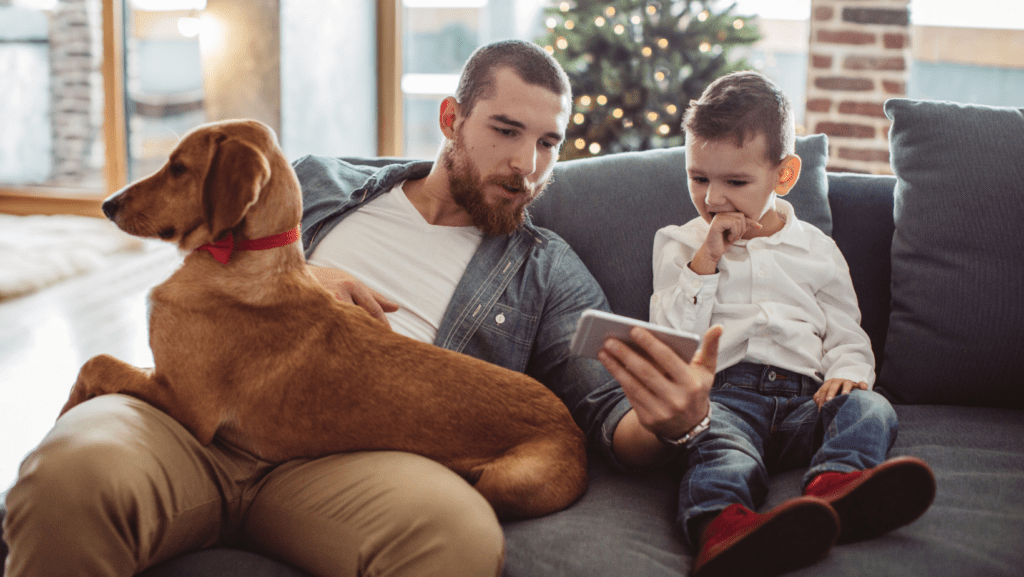
Can I spend too much time with my dog?
Spending quality time with your dog is essential for building a strong bond and ensuring their well-being. However, can you spend too much time with your furry friend?
Quality of Time: Spending excessive time with your dog may not be beneficial if it’s not quality time. Dogs need mental and physical stimulation, so if the time spent together doesn’t fulfill these needs, it might not be ideal.
Dog’s Needs: Dogs are social animals and enjoy spending time with their owners, but they also need independence and time for themselves. Constant attention can lead to stress or separation anxiety in some dogs.
Impact on the Owner: Spending too much time with a dog can affect the owner’s daily life, work, and relationships. It’s essential to maintain a balance between caring for the dog and other responsibilities.
Dog’s Well-being: Overindulgence can lead to behavioral issues in dogs, such as excessive dependency or attention-seeking behaviors. Providing boundaries and structure is important for their development.
While spending time with your dog is essential for bonding and companionship, it’s crucial to ensure it’s balanced with other aspects of life and meets the dog’s needs for independence and stimulation. If excessive time together starts to negatively impact either the dog or the owner, it may be a sign to reassess and adjust the amount of time spent together [7].
Conclusion
So, it’s very important to consider your lifestyle to ensure the breed of dog you welcome allows for mutual enjoyment in life. But let’s keep the conversation going! How do you currently allocate time for bonding with your furry friend, and what activities do they enjoy the most? Share your thoughts below and let’s exchange tips on creating memorable moments with our canine pals!
And if you’re eager to delve deeper into the world of pet care and companionship, explore our other articles and resources for more insights and tips. Together, let’s continue fostering happy, healthy relationships with our beloved pets!

Talitha Mulder
- https://www.popsugar.com/pets/how-much-time-should-i-spend-with-my-dog-47351933.
- https://www.sciencedirect.com/science/article/pii/S0168159121002367
- Play with Your Dog Paperback – Illustrated, 1 July 2008 by Pat Miller (Author) 4.5 4.5 out of 5 stars
- https://www.mdpi.com/2076-2615/9/5/282
- https://www.thekennelclub.org.uk/search/breeds-a-to-z/#B
- https://www.sciencedirect.com/science/article/pii/S1558787816300569

