

Training your dog or puppy should be built on fun and learning. By playing games like fetch and tug-of-war, you’re teaching your pup how to learn and bond with you. When training, use treats wisely, break lessons into manageable chunks, and reinforce learning through repetitive loops to ensure steady progress.
Table of Contents
The Importance of Play-Based Learning
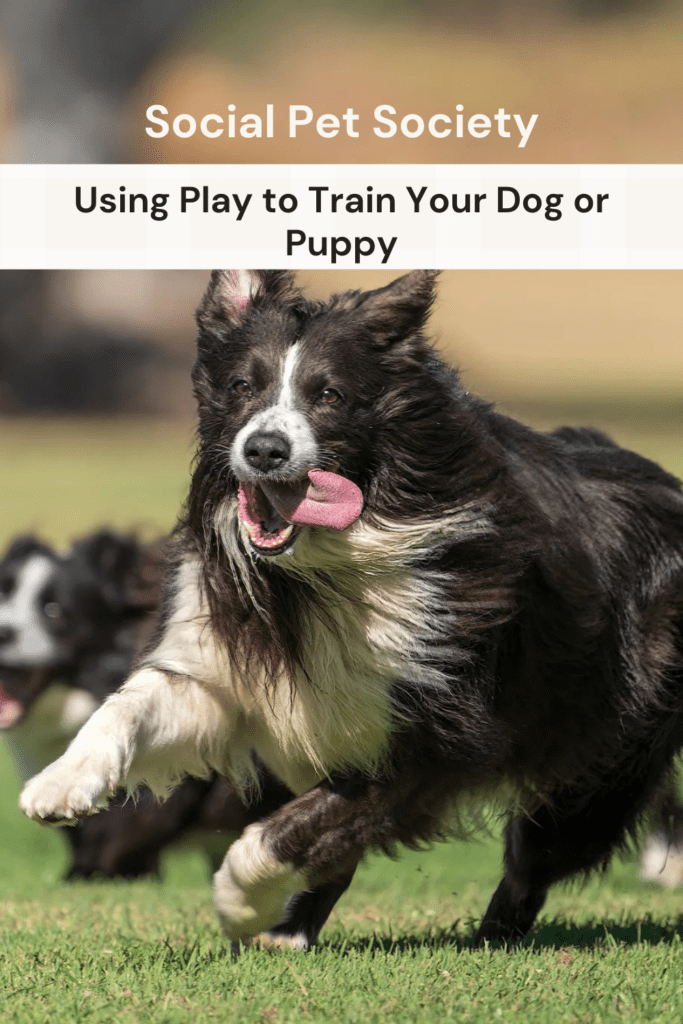
When you play games with your pup, you’re not only bonding with them, you’re also teaching them valuable skills. Games with clear objectives, like fetch or tug-of-war, are perfect because they mimic natural behaviours. Also, early exposure to these games boosts your pup’s confidence and helps them focus for longer periods, setting them up for success in future training sessions.
What Games Can You Play with Your Dog?
When you are thinking about what kind of games you should play, you should think about activities that come naturally to dogs, like fetch or tug-of-war. These games have clear goals, which helps your pup understand what’s expected of them. Also, by playing these objective-based games, you are teaching your dog to focus on a task for an extended period.
Let’s take tug-of-war as an example, in this game there is a specific sequence and set of rules to follow:
- Chase: The dog attempts to steal the toy from you.
- Block/Miss: You try to prevent the dog from grabbing the toy.
- Grab-Bite/The Fight: Both your dog and you actively compete to have the toy.
- Steal/Kill-bite: Your dog successfully takes the toy from you.
- Celebrate/Digest: Take your dog for a victory lap and celebrate their achievement (this is an essential step!).
- Rules: Your dog should let go of the toy when a round bell is rung with the cue “out”. There should be no fighting or bitting when you take back the toy. The game is restarted only upon hearing the reward cue “Yes”.
By playing these types of games, you give your dog purpose, which makes them keen to perform well.
How to Play with Your Dog Successfully
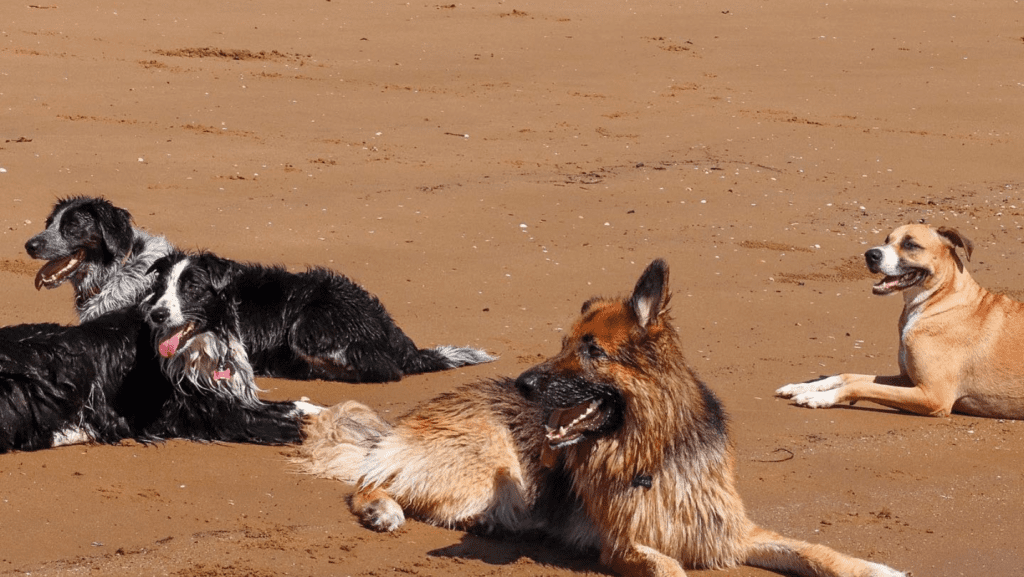
When playing with your dog, keep these important tips in mind:
- Build your dogs positive attitude: Games like fetch and chase can help your dog feel happy and cooperative. They learn to work with you and enjoy playtime wherever you are.
- Let your dog relax: It’s crucial to give your dog time to relax and clear their mind during play. This helps them feel good about their surroundings and strengthens your relationship with them, preparing them for more challenging activities.
Remembering these tips will ensure that playing with your dog not only brings you closer but also helps them learn and grow during playtime.
Training your Dog while Playing
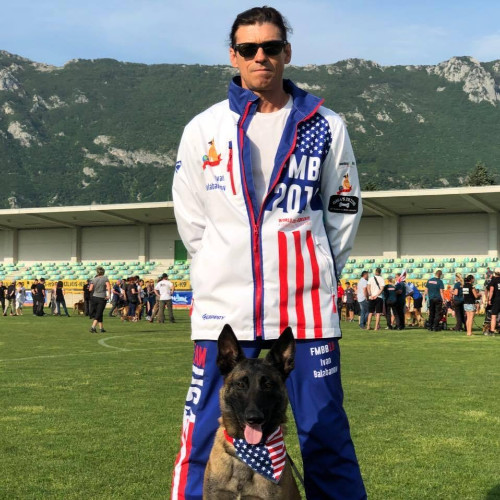
If you’re interested in training your dog through play, you should check out the innovative methods of Ivan Balabanov, a highly respected dog trainer. He has a website here that teaches those who want to train their dogs through play.
Here’s a story that illustrates Ivan’s approach to training:
Once, Ivan brought his young puppy to a local sports dog club. Instead of diving into complex obedience drills, Ivan kept it simple: he played fetch with his dog just three times before leaving.
While some club members expected more advanced techniques, Ivan had a different goal in mind. He wanted his dog to relax and focus, so he let the playtime serve as a mental reset for future challenges.
This playful approach shows Ivan’s deep understanding of a dog’s mental well-being. He believes in nurturing a well-rounded and resilient canine companion through methods that go beyond traditional training.
The Basics to Know When Training Your Dog
Loop Training
“Loopy training” is a method developed by Alexandra Kurland, a well-known dog trainer. It’s all about viewing training as a continuous process, like a loop that repeats over and over.
When you’re training your dog, you’re actually going through a cycle. You start by asking your dog to do something, like sit or shake. Then, when they do it correctly, you give them a signal (like a click from a clicker or saying a word like “yes”) that tells them they did it right. After that, you reward them with a treat or praise. And then you start the cycle all over again by asking them to do it again.
The idea behind loop training is to make sure each cycle is smooth and clean. That means your dog does what you ask without any problems, and there’s no hesitation or confusion. By focusing on these smooth cycles, you can help your dog learn faster and become better trained overall.
In simpler terms, loopy training is just a way of practicing over and over until your dog gets really good at them. It’s the key to building a strong foundation in all of their training.

Splitting Training instead of Lumping it
When it comes to training your dog, understanding the idea of lumping and splitting can make a big difference in your success.
Lumping, which is expecting too much too soon, can lead to frustration and failure for both you and your dog. It involves trying to teach complex behaviors all at once, overwhelming your pup and hindering their progress.
On the other hand, splitting is the technique that breaks harder or longer tasks into smaller, manageable chunks. This method involves breaking down our training objectives into smaller steps, and then building layer on layer, until the larger goal is achieved.
An Example of How to Train Your Puppy: Crate Training
Now, let’s illustrate the concepts of looping, lumping, and splitting in the context of training a puppy.
- Looping: When training your puppy, think of it as a continuous loop or cycle, rather than a one-time event. Each training session consists of multiple loops where you cue a behavior, the puppy performs it, you provide feedback, and then you start again. For instance, in crate training, you might cue the puppy to enter the crate, reward them for going in, then cue them to exit, and repeat the process. This repetition helps reinforce the behavior and creates a smooth training experience.
- Lumping vs. Splitting:
- Lumping: Trying to teach too much at once can overwhelm the puppy and lead to confusion. Instead of overwhelming the puppy with complex tasks, break behaviors down into smaller, manageable components. For example, if you expect the puppy to go from never having been in a crate to staying inside quietly for hours without any gradual training steps, that would be lumping. This approach often results in frustration and slow progress.
- Splitting: In contrast, splitting involves breaking behaviors down into smaller, more achievable steps. It’s like breaking a complex task into smaller pieces that the puppy can easily understand and accomplish. For instance, in crate training, you might start by simply rewarding the puppy for approaching the crate, then for putting one foot inside, then for going all the way in, and so on. By splitting the behavior into smaller steps, you set the puppy up for success and make the learning process smoother and more efficient.
So, when training a puppy, remember to loop through training sessions, avoid lumping too much information at once, and instead focus on splitting behaviors into manageable steps for better learning outcomes.
Should I Use Treats When Training My Dog?
To understand why treats are so important when you are training your dog, you need to understand the predatory nature of dogs. The act of eating their prey is the ‘cooling-down’ period after a heightened state of chasing, catching and killing.
So, this makes food rewards ideal in behaviour shaping, luring, and leash training. The relaxed state of your dogs mind that comes from food makes training techniques work better.
Some owners say that their dog doesn’t like working for kibble or treats. So, in response we suggest investing in some better treats. Just like humans; you wouldn’t keep showing up to a job where the incentive is low but the challenges increase.
The cost of a high quality treat is worth it, and for us, quality is so important.
What Do Professional Dog Trainers Use for Treats?
We, as professional dog trainers, trust Ziwi Peak air-dried dog food for most of our food training needs, specifically their grass-fed lamb & New Zealand-caught mackerel blend (you can buy it here on Amazon) This choice is free of grains, potato, legumes, and rendered meat or meals.
Ziwi Peak offers several benefits:
- Gently air-dried and handcrafted to lock in nature’s goodness.
- A blend designed to match the dog’s biological needs for a meat-rich diet.
- Whole, Wild Caught Blue Mackerel: A natural powerhouse source of Omega-3.
- Ethically-raised grass-fed lamb year-round on New Zealand pastures.
- GMO-Free.
- No Antibiotics or Growth Promotants: Ensuring a clean, natural source of nutrition.
- No Grains, Sugars or Glycerins Added: Excluding high glycemic ingredients like potato or tapioca starch.
- 3% New Zealand Green Mussels: A natural source of glucosamine and chondroitin for long-term joint health and mobility.
Quality nutrition paves the way for effective training, ensuring your dog thrives physically and mentally. Choose wisely, invest thoughtfully, and you’ll really see the impact on your pups well-being and performance.
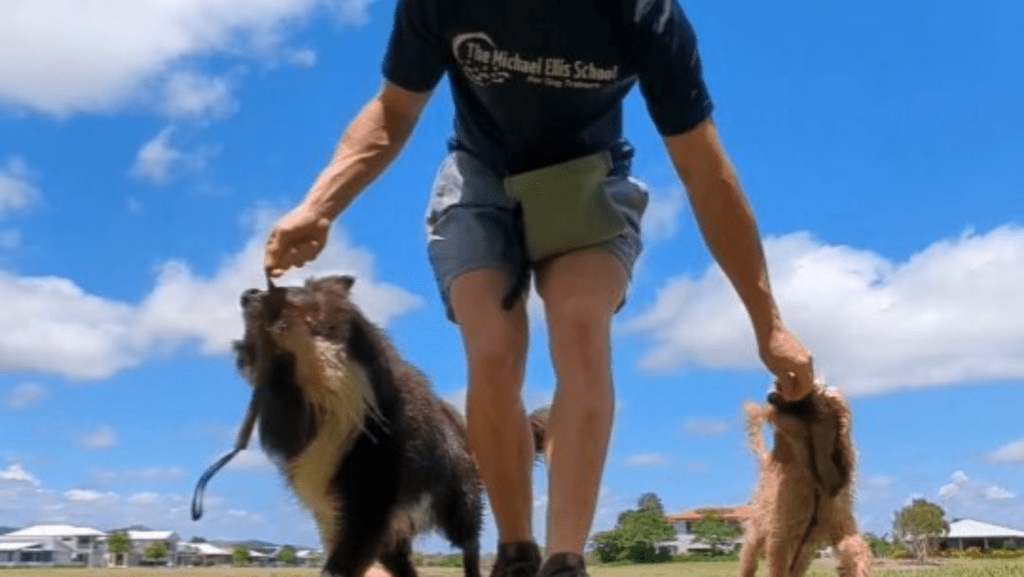
Coming Soon: Revolutionising Puppy Preschool in Townsville!
Exciting news! We’re on a mission to redefine puppy preschool in Townsville. Currently, there are no puppy preschool programs that offer a full spectrum of new dog and dog owner requirements, but we aim to change that soon. We’re thrilled to embark on this journey and transform the puppy preschool experience. Stay tuned for updates, and get ready to be part of a tailored program designed to set you and your pup on the path to success.

Jalen Romeo
Co/Founder & Dog Trainer - Pawprides

