
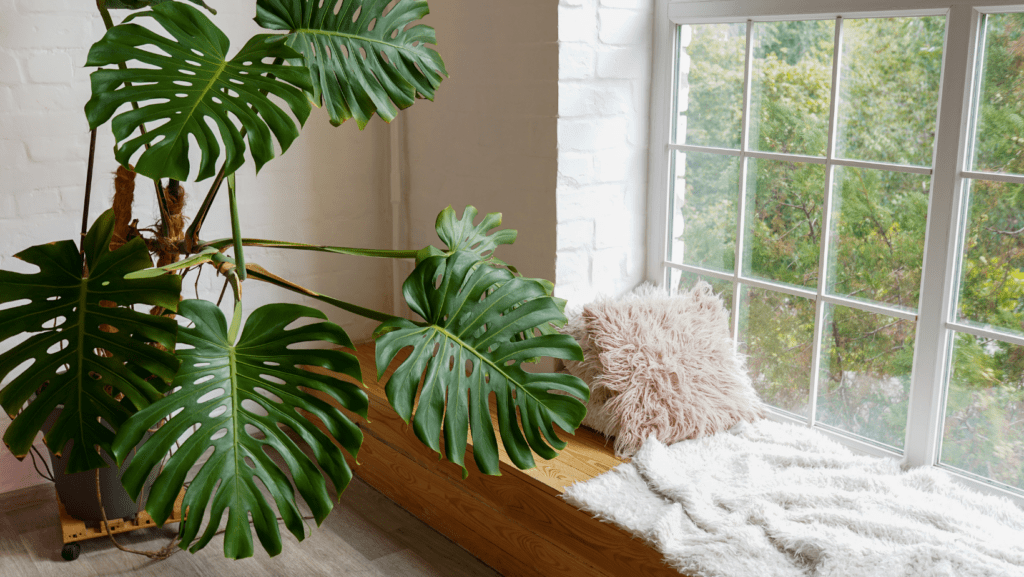
Are you a plant and an animal lover, and you wonder if the two can mix? – Well, unfortunately, pets and Monsteras can be challenging together – so make sure you have all the information to keep your indoor jungle safe for your furry companions.
Pets and Monsteras don’t mix well due to the plant’s calcium oxalate crystals in it’s sap. Almost all parts of the plant are potentially harmful and while not typically lethal, ingestion can lead to discomfort and in rare cases, kidney or heart damage. Look out for signs in your pet like pawing, swelling, drooling, or vomiting, seeking immediate vet attention if needed.
Table of Contents
Disclosure: This article includes affiliate links. If you click on these links and make a purchase, I receive a small commission. This comes at no extra cost to you but greatly supports the maintenance of this site. Learn more here.
Why Are Monsteras Dangerous for Pets?
The danger of a Monstera lies in their sap, which is made up of calcium oxalate crystals. These very rarely are lethal, but they can stir up some irritation in your pets mouths, throats, and stomach linings, resulting in not-so-pleasant symptoms like vomiting, drooling and coughing.
What Are Calcium Oxalate Crystals?
These little troublemakers are the culprits behind the Monsteras toxicity. They are sharp, jagged crystals that irritate your pet’s mouth. They’re the plant’s defence mechanism, making Monstera an unappetising choice for most animals.
Note to self: wear gloves when tending to your leafy friends.
What Parts of a Monstera Are Harmful to pets?
The Stem
Handle with care! The stems are like crystal highways carrying the irritant, so let’s not let our guard down, especially during pruning sessions.
The Leaves
Ah, the grandeur of Monstera leaves! Gorgeous, yes, but also on the toxic side. This is often the part that puppies get into.
The Roots
Yep, even the roots are in on the crystal action. Keep your furry friends from turning the plant pot into a digging zone.
The Fruit
Surprisingly, the ripe fruit is safe, but the unripe ones? Not so much. Lesson learned: all parts are off-limits. Keep Fido at a safe distance.
Could Monsteras Kill My Pet?
Monsteras aren’t known as being deadly. Ingesting small bits or chewing on the plant without ingestion shouldn’t cause serious issues. However, kidney or heart damage is a rare possibility in extreme cases. But hey, immediate irritation usually puts dogs off their unconventional snack.
Symptoms of Toxicity in Cats and Dogs
Watch out for pawing, swelling, excessive drooling, or any vomiting sessions. Immediate vet attention is recommended if Monstera munching is suspected. Symptoms are usually apparent within 2 hours.
Treatment for Monstera ingestion.
Aside from calling or visiting your local vet, make sure to;
- Rinse out your pup’s mouth, eyes, and paws.
- Keep your pets hydration up to flush out those pesky crystals.
- Small amounts of milk can help to line the stomach.
Preventing Your Cat or Dog From Eating Your Monstera Plant
Early Training
Positive vibes only! Reward your pet’s (especially your dog’s) good behaviour with treats and playtime.
Distractions
Doggy entertainment is key. Load up on toys, especially the mind-bending ones. A little treat-hiding action can turn Monstera munching into a distant memory.
Deterrents
There are some natural deterrents you can use, like;
- Citrus peels
- Lemon Juice
- Deterrent sprays
Monstera is dangerous to pets if ingested. So the best course of action is using deterrents as a preventative, rather than a remedy. Use them before your pet becomes interested in the plant – ideally before you even bring it home.
Monstera deterrent sprays we would recommend
Grannicks Bitter Apple Taste Deterrent for Dogs (New Version)
Nature’s Miracle Advanced Platinum Cat Pet Block Spray
Nature’s Miracle Advanced Platinum Dog Pet Block Spray
Rocco Roxie Extreme Bitter Spray
Safe Plant Alternatives for Dogs:
When it comes to cultivating an indoor garden, the safety and well-being of our furry friends are a top priority. Here is a variety of non-toxic plant options that not only bring greenery into your space but also ensure a pet-friendly environment.
1. Spider Plant (Chlorophytum comosum)
These resilient beauties are a hit among pet owners. Known for their air-purifying qualities, spider plants are safe and can thrive in a variety of conditions.
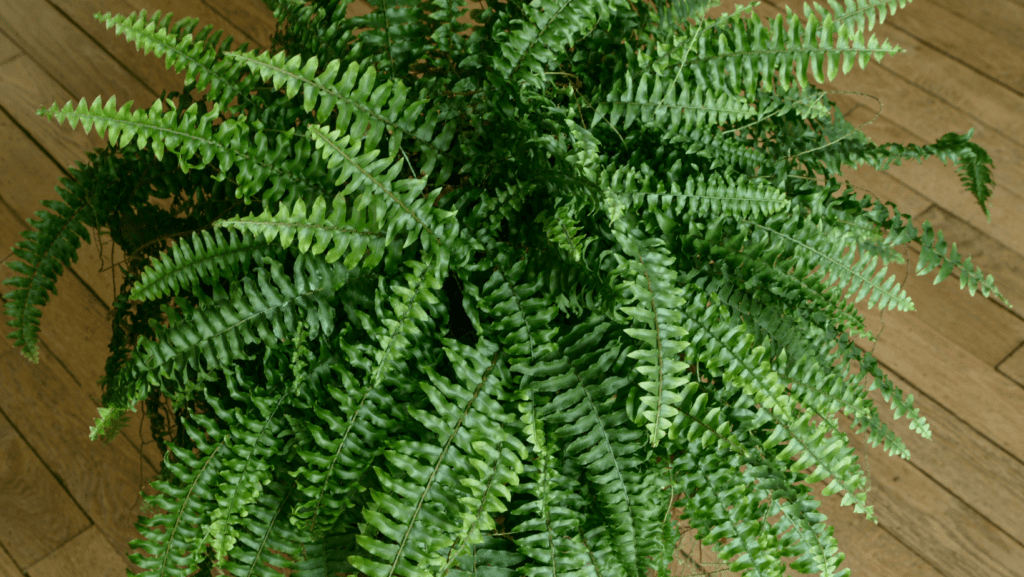
2. Boston Fern (Nephrolepis exaltata)
Bring a touch of elegance with Boston Ferns. They’re not just visually appealing but also safe for your pets. Keep the soil consistently moist for these ferns to flourish.
3. Areca Palm (Dypsis lutescens)
For a tropical vibe, consider the Areca Palm. It adds a touch of the exotic to your space while being a safer alternative for your furry companions.
4. Calathea Medallion (Calathea roseopicta)
Known for their stunning foliage, Calathea Medallions are pet-friendly options. They thrive in indirect light and can be a stylish addition to your indoor garden.
5. Bamboo Palm (Chamaedorea seifrizii)
Embrace the tranquillity with Bamboo Palms. These low-maintenance plants not only look great but are also safe for your pets.
6. African Violet (Saintpaulia)
Add a pop of color with African Violets. These petite and vibrant flowers are non-toxic and perfect for pet-loving households.
7. Parlor Palm (Chamaedorea elegans)
Compact and pet-safe, Parlor Palms are a classic choice. They can thrive in low light conditions, making them versatile for various indoor spaces.
8. Air Plants (Tillandsia)
Air Plants are not only trendy but also safe for pets. Since they don’t require soil, they offer flexibility in displaying greenery without posing a risk to your furry friends.
9. Society Garlic (Tulbaghia violacea)
Society Garlic brings a touch of uniqueness to your indoor garden. Safe for pets, it also boasts edible flowers with a subtle garlic flavor.
10. Ferns (Various Types)
From Maidenhair to Bird’s Nest Ferns, these classics are generally safe for pets. Keep the soil consistently moist for these lush beauties.
Remember, while these plants are considered safe for dogs, it’s essential to monitor your pet’s behaviour. Some dogs may still be curious and nibble on plants out of habit.
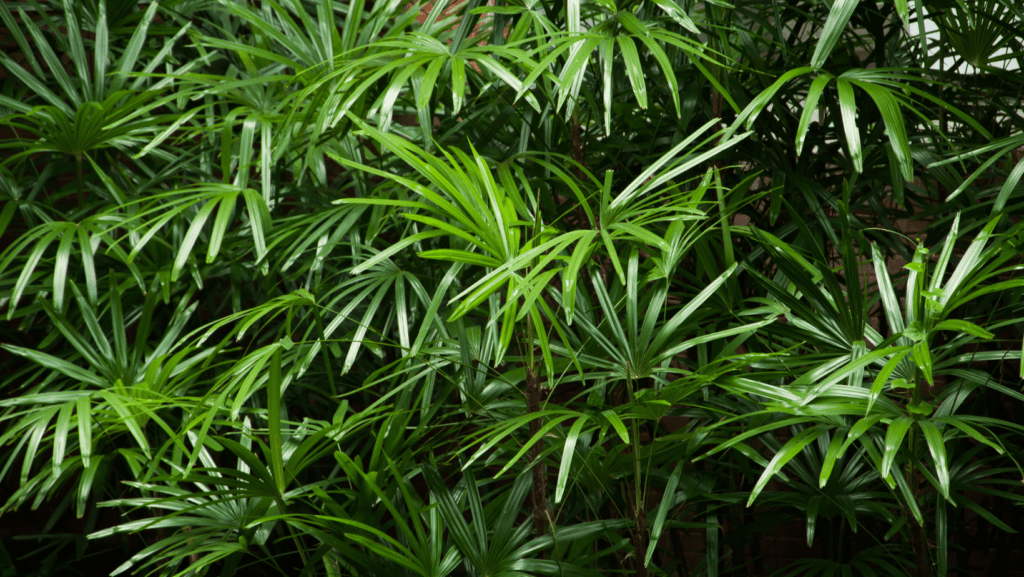
It’s crucial for pet owners to be aware of the potential hazards lurking in their homes and gardens.
Some of the most dangerous plants in homes in Australia, for your pets, are:
- aloe vera
- daffodil
- baby’s breath
- carnations
- lilies
Common household plants that are toxic to dogs:
The RSPCA has a great resource for Toxic Plants for Pets, otherwise, here is a list of toxic plants:
- Autumn Crocus
- Azaleas
- Black Locust
- Tulips
- Ivy
- Asparagus Fern
- Rubber Tree Plants
- Jade Plant
- Bird of Paradise
- Fiddle Leaf Fig
- Chrysanthemum
- Bleeding Heart
- Buttercups
- Castor Bean
- Cherries (Wild and Cultivated)
- Daphne
- Dieffenbachia (Dumb Cane)
- Elderberry
- Elephant Ear
- Foxglove
- Golden Chain
- Hyacinth
- Jack in the Pulpit
- Jasmine
- Jimson Weed (Thorn Apple)
- Lantana Camara (Red Sage)
- Larkspur
- Laurels
- Lily of the Valley
- Mayapple
- Mistletoe
- Monkshood
- Moonseed
- Narcissus
- Nightshade
- Oak Tree
- Oleander
- Poison Hemlock
- Rhododendrons
- Rhubarb
- Rosary Pea
- Star of Bethlehem
- Water Hemlock
- Wisteria
- Yew
If you suspect your dog has ingested any of these plants, it’s crucial to act swiftly. Take your furry friend to the vet immediately. If possible, bring along a piece of the suspected plant to aid in identification and treatment.
Remember, this list isn’t exhaustive and I am not a vet! There might be other plants in your garden that pose a threat to your pet.
Stay vigilant, and if in doubt, consult with your veterinarian. A pet-friendly environment is a safer and happier space for both you and your cherished canine companion!

