
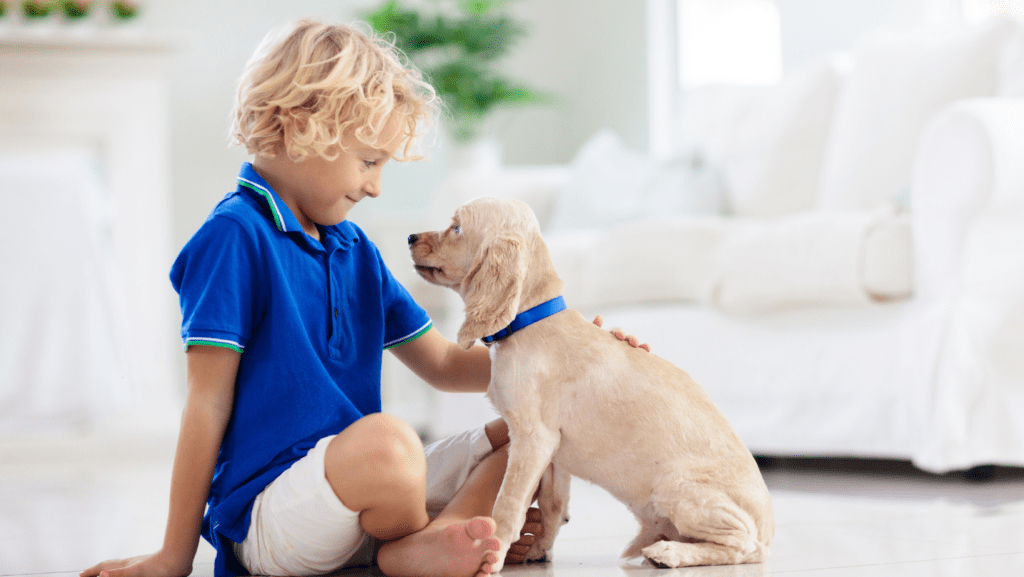
When I was growing up, I had lots of different pets like cats, dogs, birds, rats, fish, and hermit crabs. I’ve always loved animals, and I’ve noticed that other who had pets growing up, tend to care a lot about them too.
But is having a pet important for children?
I say yes!
And in this article, I’ll go through why having pets around when you’re young has so many advantages.
Having a pet is important for children as it fosters companionship, teaches them valuable life lessons such as responsibility, empathy, and compassion, and contributes to their emotional development and well-being.
Pets offer unconditional love and support, helping children navigate challenges and providing them with a sense of security and connection.
Overall, the bond between children and pets enriches both their lives, promoting happiness, growth, and a sense of belonging.
Later on I’ll suggest you get a copy of this book for your primary school aged child – it’s the perfect start to judge their interest. The Dog Breed Guide – find it on Amazon!
Table of Contents
Disclosure: This article includes affiliate links. If you click on these links and make a purchase, I receive a small commission. This comes at no extra cost to you but greatly supports the maintenance of this site. Learn more here.
Why is having a pet important for a child?
Having a pet is super important for your child. Pets give them constant company, comfort, and happiness, teaching them about taking care of others and understanding their feelings. In Australia, we really love our pets because they become like our best friends, whether it’s a dog, cat, or bird.
Your child’s pet becomes their loyal friend, making their childhood extra memorable. They’re always there to make them feel safe and happy, especially when things get tough. Plus, having a pet gets your child moving and playing outdoors, which is awesome for their health.
Taking care of their pet, like feeding them and playing with them, teaches them important skills like responsibility, empathy, and kindness. They’re like your child’s little helpers in learning how to be a good friend and look after others. And when your child is feeling down, their pet is right there to listen and comfort them, making them feel all warm and fuzzy inside.
So, having a pet is like having a super cool friend who’s always by your child’s side, teaching them important stuff, keeping them active, and making their life fun filled.
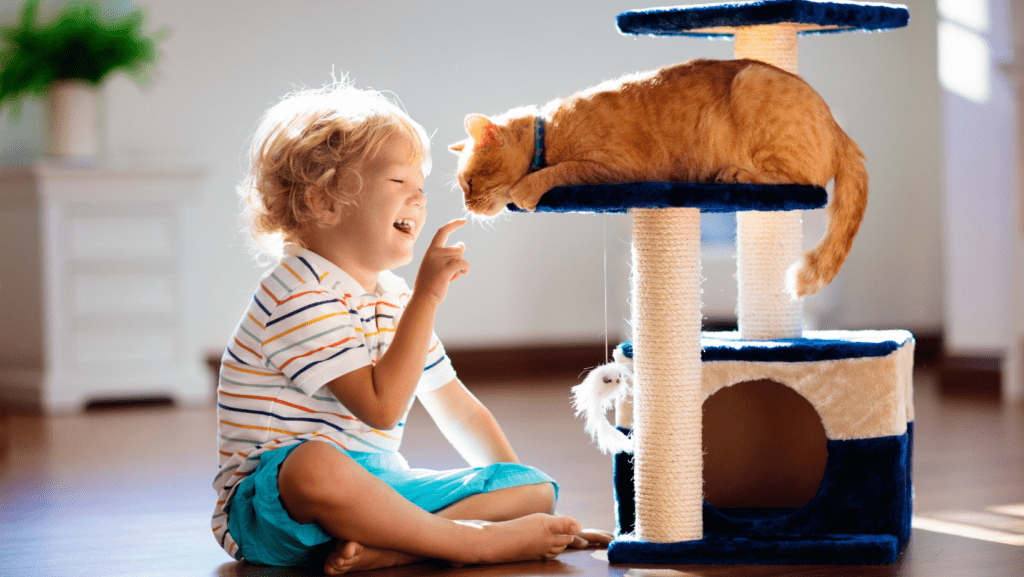
Do pets teach kids responsibility?
Pets are super helpful in teaching kids how to be responsible. Studies show that kids, especially those in single-parent families, often take care of pets. Interestingly, while boys usually like pets at first, girls often spend more time playing with them.
As kids get older, they usually take on more responsibility for their pets, especially when they’re in primary school. This shows that having pets helps kids learn how to be responsible, especially as they get older.
Also, teens who help take care of their pets usually have better family relationships, especially during tougher times. This shows that being responsible for pets can make teenagers feel more connected to their families. Overall, pets are really important for teaching kids responsibility and helping them grow up [2] [4].

Should an only child have a pet?
Pets can serve as valuable companions for only children, offering them emotional support and a sense of connection, especially when they don’t have siblings to interact with. Research indicates that only children spend a considerable amount of time with their pets.
Because only children may lack sibling interaction, they often develop deeper bonds with their pets and invest more time in caring for them, further emphasising the positive impact of pet ownership on their well-being and development. Therefore, providing an only child with a pet can offer them not only companionship but also opportunities for responsibility, empathy, and emotional growth [1].
What is the best age for kids to get a pet?
I would say the best age for a child to get a pet would be between the age of 5 to 8. This is due to the joint factors of health risks of your child before 5, you child’s size, the ability to educate your child, and the fact that it takes about 1 – 2 years to properly build a bond with a cat or dog.
However, the best age to get a pet varies on where you look, and it heavily depends on your child. Here are some interesting findings on this topic to help you decide:
- Gender Differences: Girls generally tend to feel more attached to their pets compared to boys, although the differences are small.
- Species Preference: Kids who own dogs tend to feel more attached to their pets compared to those who own cats or other small animals. Dog owners score highest on measures of pet attachment.
- The “Puff the magic dragon” Effect: Attachment to pets tends to decline as children grow older, particularly during the teenage years. However, this decline is less pronounced among children who live with dogs compared to those who own cats or small mammals.
- Aspects of Attachment: The decrease in attachment with age is noticeable in various aspects, such as feeling lonely without the pet, finding happiness in their pet’s presence, feeling comforted by pets, and considering pets as friends.
The decline in attachment during the teenage years is attributed to a shift in focus towards peer acceptance, away from family, including pets. While the trend is observed across families, the attachment to pets remains, albeit less prominently, as children transition into adolescence, typically around the ages of 12 to 18 years old.
Looking to add a furry friend to your family? “Dog Breed Guide: A Complete Reference To Your Best Friend Furr-ever” by National Geographic Kids has you covered! With over 400 breeds detailed, from dachshunds to Dalmatians, this comprehensive guide helps you find the perfect match. Written by experts, it offers essential information on each breed’s origin, size, grooming needs, and more, making it a must-have for dog-loving kids and families considering their first four-legged member. Get it for a steal on Amazon!
Is having a pet good for a baby?
It’s important to be extra careful with babies and young children under 5 around animals because they’re more likely to get sick from germs animals carry.
Since they touch lots of surfaces that might have animal poop on them and often put their hands in their mouths, they can easily catch illnesses. But don’t worry! You can still have pets while keeping your kids healthy:
- Always keep an eye on your kids when they’re near animals.
- Remind them not to kiss animals or put their hands or objects in their mouths after touching them.
- Make sure they wash their hands well with soap and water after being around animals or cleaning their living areas.
- Help younger children with handwashing.
- Wash your hands before breastfeeding or preparing formula.
- Keep kids away from animals while they’re eating to prevent accidents.
Since young children are more likely to get sick from animal germs, it’s best for kids under 5 to avoid contact with certain animals like reptiles, amphibians, baby chicks or ducklings, and rodents. If you’re visiting farms, petting zoos, or fairs with farm animals, be extra cautious to keep your young children safe.

Can a pet help a child with anxiety?
Having a pet isn’t just about fun and comfort; it can also work wonders for your child’s health. Pets have been shown to lower stress levels, promote physical activity, and improve social connections. Studies show that pet ownership can reduce anxiety, improve heart health, and even alleviate symptoms of mental illnesses like depression. Additionally, pets can serve as therapy for individuals with medical conditions.
Understanding how pets benefit our health is important so we can see their importance in our child’s well-being. That is why scientists have conducted numerous studies to support these claims and provide evidence of the positive impact of pet ownership.
For instance, research has shown that teenagers who take on more responsibilities for their pets tend to prefer spending time with them when stressed, leading to improved family relationships. There is a great benefit of pet ownership for teenagers, especially during their formative years, as they navigate identity formation and responsibility [3] [4].
Conclusion
Pets benefit children by providing companionship, comfort, and important life lessons. They offer unconditional love and support, helping children navigate challenges. Pets also foster responsibility, empathy, and compassion, shaping children’s development. While pets bring joy, safety measures like supervision and handwashing are crucial. The bond between children and pets enriches both lives, contributing to happiness and growth.

Talitha Mulder
- Melson, G. F., & Fogel, A. F. (1996). Parental perceptions of their children’s involvement with household pets: A test of a specificity model of nurturance. Anthrozoös, 9(2-3), 95-106. https://doi.org/10.2752/089279396787001545
- Muldoon, J. C., Williams, J. M., & Lawrence, A. (Year of Publication). ‘Mum cleaned it and I just played with it’: Children’s perceptions of their roles and responsibilities in the care of family pets. Journal Name, Volume(Issue), Page numbers. https://doi.org/10.1177/0907568214524457
- Hussien, S. M., Soliman, W. S., & Khalifa, A. A. (2021). Benefits of pet ownership, a review based on health perspectives. Journal of Internal Medicine and Emergency Research, 2(1), Article 2021-Intern Med Emerg Res. ISSN: 2582-7367.
- Charmaraman, L., Kiel, E., Richer, A. M., Gramajo, A., & Mueller, M. K. (2022). Associations between pet care responsibility, companion animal interactions, and family relationships during COVID-19. Animals, 12(23), 3274. https://doi.org/10.3390/ani12233274
- Herzog, H. (2019, April 16). Why do kids become less attached to pets as they get older? WellBeing International, WBI Studies Repository. Retrieved from https://www.wellbeingintlstudiesrepository.org/cgi/viewcontent.cgi?article=1096&context=aniubpos
- https://www.cdc.gov/healthypets/specific-groups/high-risk/children.html

