
Standing in my lounge room, watching the news for the first time in years, is the clearest memory I have of the initial COVID outbreaks. COVID-19 was dominating every conversation around the world—there were so many conspiracy theories, from Bill Gates knowing about it before we did, to 5G networks spreading the virus, to Chinese labs and biowarfare, and even outright denial that it existed.
Despite so many conversations, I don’t ever recall having one about the possibility of our pets catching COVID. Not until recently, years after the waves had died down. That’s when I decided to delve into the topic and conduct some research.
Below, I’ll share the findings I’ve come across regarding the transmission of COVID-19 to dogs.
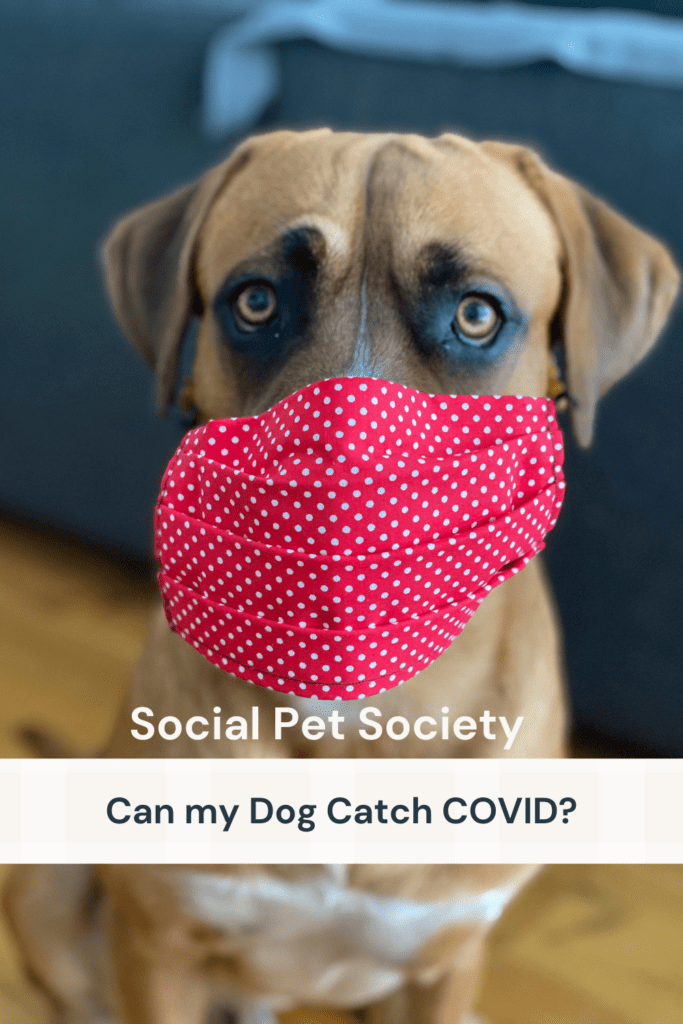
Dogs can catch COVID-19, but it’s not very common. While they may not always show symptoms, it’s still important to be cautious and limit contact with your pet if you’re sick. If you suspect your dog may have COVID-19, contact your veterinarian for guidance on the best course of action.
Table of Contents
Disclosure: This article includes affiliate links. If you click on these links and make a purchase, I receive a small commission. This comes at no extra cost to you but greatly supports the maintenance of this site. Learn more here.
Can Dogs Get COVID?
Dogs can catch coronavirus, but it’s not very common. Most of the time, dogs get different types of coronaviruses that make them sick with stomach problems, not the one that causes COVID-19 in humans.
However, in February 2020, in Hong Kong, a dog tested positive for the virus that causes COVID-19. The dog was an old Pomeranian with other health issues, and it got sick after its owner had COVID-19. This is what started the question about whether pets could get the virus from their owners and spread it to other people or animals [2].
Can my Dog Catch COVID from me?
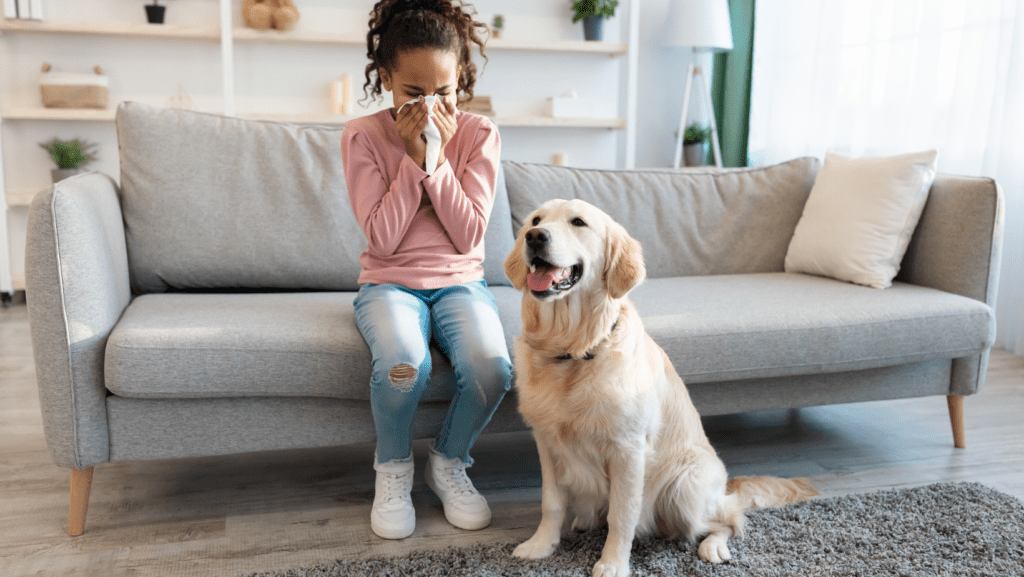
It turns out that yes, dogs can catch COVID-19 from us. Researchers looked into households with confirmed COVID-19 cases and found that about 13% of the dogs had the virus too. Half of these dogs didn’t seem sick at first but sadly passed away later, while the other half showed only mild signs of the virus.
Interestingly, some other dogs in the same homes as the positive ones didn’t get infected, which suggests the virus doesn’t spread easily among dogs. But, when they checked the virus in dogs, it matched with what was in their owners, showing that people can pass it to their pets [1].
Can I Pet my Dog if I Have COVID?
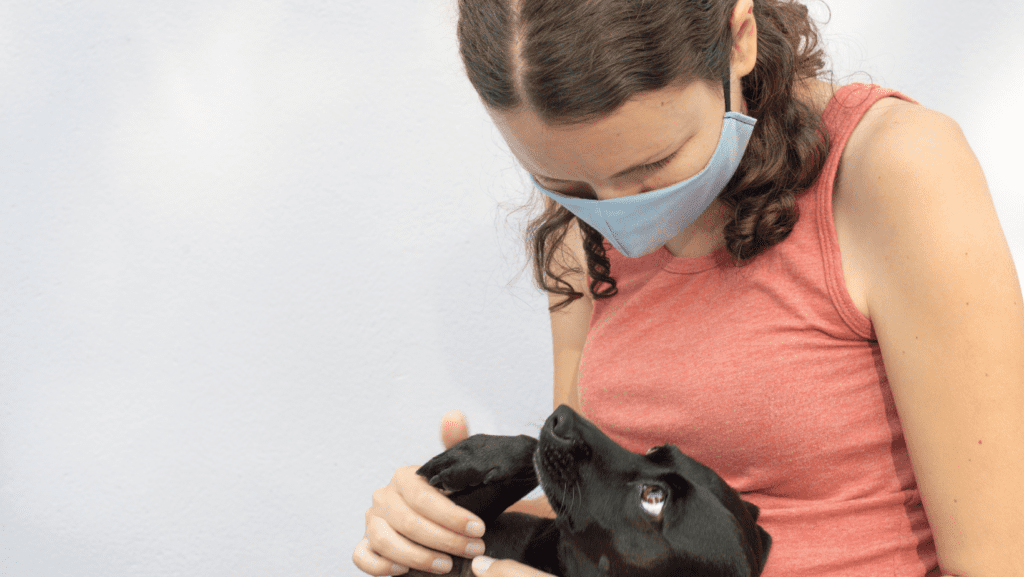
If you have COVID-19, it’s important to be careful around your pets, just like you would around people. Even though pets don’t usually get sick from COVID-19, it’s still a good idea to avoid close contact with them if you’re sick. Try to have someone else take care of your pet if possible. If you need to interact with them, wash your hands before and after, and think about wearing a mask. While it’s unlikely that pets can get seriously ill from the virus, more research is needed to be sure [3].
Studies show that people with COVID-19 might be able to spread it to their dogs. Researchers found that out of 20 pet owners with COVID-19, 5 out of 22 dogs tested positive for the virus. These dogs had signs of the virus in their throats. Dogs with owners who had a lot of the virus were more likely to test positive, especially if they spent a lot of time together [4].
So, if you’re sick with COVID-19 and have a dog, especially if you live with other people and have a lot of the virus, it’s important to be careful when you’re around them. This means avoiding close contact and wearing protection, like a mask, to keep your pet safe [4].
COVID Dog Symptoms
Dogs can catch COVID-19, but it’s pretty rare for them to get sick from it. Some studies found that dogs tested positive for the virus, but they didn’t seem to feel sick at all. And there haven’t been many reports of pets actually getting sick from COVID-19 [3].
If your dog did get sick, their symptoms might be similar to what humans experience. Infected pets might feel a bit under the weather, but most of them recover just fine. They might have a fever, cough, trouble breathing, sneezing, or even throw up or have diarrhoea [5].
What Should I do if I Think my Dog has COVID?
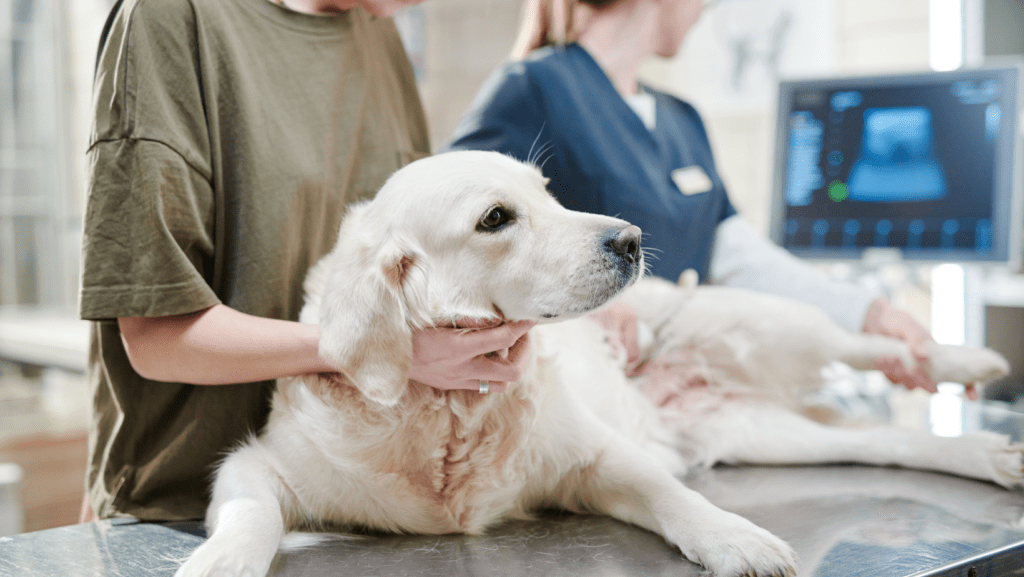
If you’re worried that your dog might have COVID-19, it’s essential to handle the situation carefully. Usually, there’s no need to test your pet for the virus right away. Instead, reach out to your vet if you notice any signs of sickness in your dog, especially if they’ve been near someone with COVID-19.
Your vet will want to check out your pet’s symptoms and might explore other possible reasons for their illness first. They might offer virtual appointments or arrange to see your pet in person. By collaborating closely with your vet, you can ensure that your furry friend gets the right care and treatment they need [5].

Conclusion
So, it’s clear that there’s still a lot to learn about how the Covid virus affects our furry friends. While dogs getting COVID-19 is not very common, it is possible for them to catch it, especially if they’re around infected humans.
Have you ever considered the risks of spreading the virus to your furry companions? Or maybe you’ve taken extra precautions to keep them safe? We’d love to hear your thoughts on this topic! Feel free to drop a comment below and share your experiences or questions with us.

Talitha Mulder
- Sit, T. H. C., Brackman, C. J., Ip, S. M., Tam, K. W. S., Law, P. Y. T., To, E. M. W., Yu, V. Y. T., Sims, L. D., Tsang, D. N. C., Chu, D. K. W., Perera, R. A. P. M., Poon, L. L. M., & Peiris, M. (2020). Infection of dogs with SARS-CoV-2. Nature, 586(7831), 776–778. https://doi.org/10.1038/s41586-020-2334-5
- Veterinary Record Case Reports. (2020). “The first case of COVID-19 pneumonia in a dog in Hong Kong.” doi:10.1136/vetreccr-2020-000615
- Goumenou, M., Spandidos, D. A., & Tsatsakis, A. (2020). [Editorial] Possibility of transmission through dogs being a contributing factor to the extreme Covid‑19 outbreak in North Italy. Experimental and Therapeutic Medicine, 20(3), 2293–2295. https://doi.org/10.3892/mmr.2020.11037
- Bravo de Souza Barbosa, A., Kmetiuk, L. B., de Carvalho, O. V., Brandão, A. P. D., Doline, F. R., Lopes, S. R. R. S., Meira, D. A., de Souza, E. M., da Silva Trindade, E., Baura, V., Barbosa, D. S., Brandespim, D. F., Galhardo, J. A., Pettan-Brewer, C., Guimarães, A. M. D. S., Dutra, V., Autran de Morais, H., Huergo, L., dos Santos, A. P., & Biondo, A. W. (2022). Infection of SARS-CoV-2 in domestic dogs associated with owner viral load. Research in Veterinary Science, 153, 61–65. https://doi.org/10.1016/j.rvsc.2022.10.006
- Centers for Disease Control and Prevention, National Center for Emerging and Zoonotic Infectious Diseases (NCEZID). (2023, January 11). What You Need to Know About COVID-19 and Pets. Retrieved from https://www.cdc.gov/healthypets/covid-19/pets.html

