

Recalling my childhood, our dog was always an outdoor companion, never stepping foot inside the house. Yet, during camping or family trips, our loyal dog was right there with us. Fast forward to today, my dogs enjoy a mixed lifestyle, spending time both inside and outside based on daily activities and family interactions. So, which way is right – I decided to find out.
It is scientifically proven that dogs can live happily indoors or outdoors. What matters most for their well-being is quality interaction with their owner, tailored training for their temperament, sufficient exercise for their breed, and regular healthcare.
Table of Contents
Disclosure: This article includes affiliate links. If you click on these links and make a purchase, I receive a small commission. This comes at no extra cost to you but greatly supports the maintenance of this site. Learn more here.
Why do People Get a Dog?
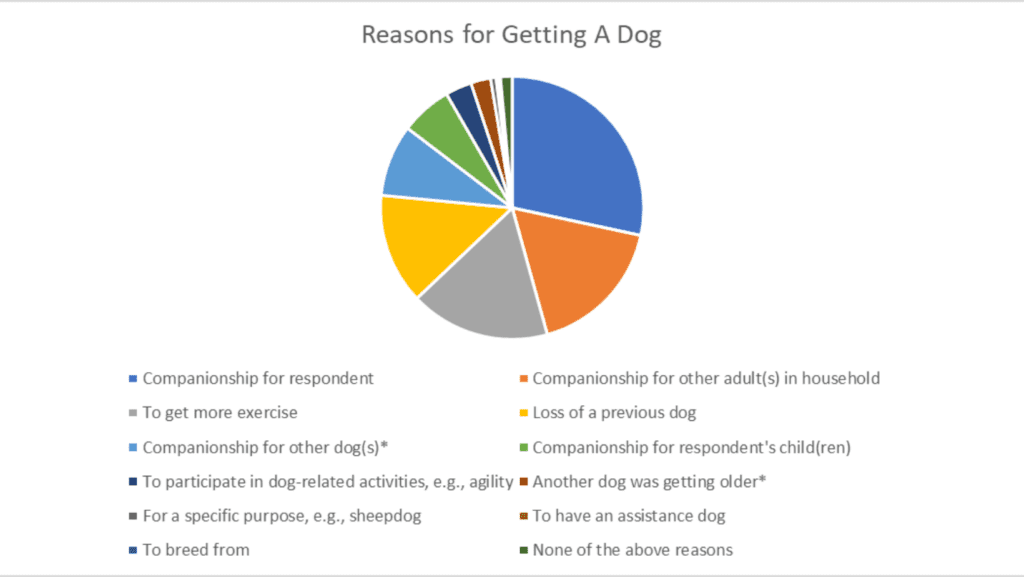
Research indicates that the main reason people choose to bring dogs into their lives is for personal companionship, or, secondly, to provide companionship to other family members.
It is important to determine why you have, or want, a dog, to work out whether you dog will spend its time mostly inside or outside. Ideally, when selecting a dog breed, you should consider the breed’s temperament, exercise needs, and companionship requirements [5].
Are inside dogs happier than outside dogs?
Social Preferences
Your furry friend is naturally wired to be social, and this stems from their ancestral past. Back when dogs lived in the wild, their survival depended on forming tight-knit groups or packs. This behaviour ensured their safety and increased their chances of thriving in the wild.
In your home, this instinct translates into your dog wanting to be close to you or other family members during rest time. Your dog sees you as an integral part of their “pack,” and snuggling together creates a feeling of security and companionship.
Dogs are social creatures at heart, and when they have the opportunity to rest together, they show a remarkable level of social harmony. This close bonding isn’t just heart warming; it mirrors the strong connections dogs build with their human and canine companions.
So, if your dog loves to cuddle with you on the couch or share a bed, it’s a beautiful reflection of their natural inclination towards social connections. It’s a clear sign that your furry friend cherishes the close bond they share with you, making those moments of togetherness even more special [2].
An interesting statistic is that owners of house dogs have higher scores on attachment with their dogs compared to owners of yard dogs. Also, while both house and yard dogs receive basic care, yard dogs receive lower attention to some physical and safety needs.
However, involvement in agility training, attending pet events, and exercising with family members occurred equally for both yard and house dogs [6][7].

Is it healthy to have a dog inside the house?
Parasites
Parasites pose a significant concern for all pet owners. Unfortunately, outdoor spaces are more prone to certain parasites, like ticks, compared to indoor environments. In addition, warm outdoor soil creates an ideal habitat for intestinal parasites, such as hookworms, which can survive in the soil for up to four weeks. This risk is particularly heightened in the hot climate of Australia.
However, it’s crucial to note that there’s still a risk of parasites even if your pet lives indoors. Indoor environments can harbour parasites like fleas, which can take residence in furniture and carpets. Fleas indoors are common enough that reputable brands like Frontline provide guidance on preventing their presence in indoor furnishings. So, whether your pet spends more time indoors or outdoors, it’s essential to be vigilant against the varied risks posed by parasites [1].
Indoor Toxins
Inside our homes, there are minuscule particles called endotoxins, and these particles have the potential to worsen conditions like asthma and inflammation. Recent research indicates that the levels of these endotoxins are influenced by two main factors: how many people live in the home and how tidy the place is kept.
Interestingly, having dogs in the home has been linked to an increase in endotoxin levels. However, the surprising finding is that our pets are not necessarily the primary source of these particles—everyone in the household contributes. Essentially, having a dog alone doesn’t automatically make your home dirtier. It’s more about your dog’s behaviour and characteristics. If your dog tends to be messy, destructive, or sheds a lot, then they might contribute more to these particles. Otherwise, having a furry friend indoors may not significantly impact the overall cleanliness of your home [3].
Cleanliness and House-Training
Your dog has an inherent instinct to keep their rest and bathroom areas separate. This behaviour is deeply ingrained in most dogs. Think about it – in the wild, dogs wouldn’t want to sleep where they go to the bathroom. This instinct carries over into your home, and understanding it can make the relationship between you and your dog even more harmonious.
House-training, a term you might be familiar with, is essentially your dog’s instinct to learn where it’s appropriate to relieve themselves. Most dogs catch onto this pretty quickly. They naturally prefer to go to the bathroom outside when given the chance. It’s a bit like a built-in system – they associate outside with doing their business.
Now, you might wonder why dogs seem to prefer going outside. Well, it goes back to their natural instincts. In the wild, going to the bathroom away from where they rest and sleep helped keep their living space clean and free from potential threats.
So, when you provide opportunities for your dog to go outside, you’re actually supporting their natural instincts and behaviours. It’s a way of letting them express their preferences in a language they understand [2].
As a responsible dog owner, understanding and respecting these behaviours contribute to a happy and healthy living environment for both you and your dog. Now, you might be curious about what experts say on the matter. The RSPCA, a reputable source in animal welfare, provides valuable insights into the considerations of having inside versus outside dogs. If you want to dive deeper into this topic, you can find more information on what the RSPCA has to say about this subject here.
Should a dog sleep inside or outside?
Outdoor living can be exciting, with most dogs loving to explore. However, when given the choice, dogs choose indoor lying areas over outdoor sleeping spaces like wooden dog houses. It is important to note, that if your pet doesn’t have indoor access, providing a weather-protected resting area outdoors is still a must [2].
When dogs take a break and settle down, each one has their own favourite spot, typically influenced by where they slept as puppies.
Also, instinctively, dogs tend to prefer elevated platforms like raised dog beds or even couches, over lying directly on the ground. In fact, my best friends dog chooses to hang out on top of her car (but that’s a different story!). So, if you’re not keen on having your furry friend inside, snuggled up on the couch or bed, consider offering them an elevated dog bed outdoors.
For instance, there’s a great option on Amazon called the Basics Cooling Elevated Dog Bed with Metal Frame. It not only provides a comfortable resting spot for your pooch but also comes at an attractive price. This way, your dog can enjoy a cosy elevated space outside, mirroring their natural inclination for raised resting spots [4].
Conclusion
In the end, the indoor vs. outdoor debate around dogs is a complex one. It’s about understanding your family’s unique needs, preferences, and your dogs breed-specific traits. While the great outdoors offers the fresh environment all dogs need, indoor spaces provide comfort and protection. By considering all these factors, you can create a living environment that caters to your dog’s well-being and happiness. All things considered, I think a version of an indoor and outdoor arrangement, like us humans, is probably the best living environment for your pooch.

Talitha Mulder
- Maurelli, M.P., Pepe, P., Colombo, L., et al. “A national survey of Ixodidae ticks on privately owned dogs in Italy.” Parasites Vectors 11, 420 (2018).
- Dorothea Döring, Barbara E. Haberland, Alexander Bauer, Britta Dobenecker, Rüdiger Hack, Jörg Schmidt, Michael H. Erhard, “Behavioral observations in dogs in 4 research facilities: Do they use their enrichment?” Journal of Veterinary Behavior, Volume 13, 2016, Pages 55-62.
- Ownby, D. R., Peterson, E. L., Wegienka, G., Woodcroft, K. J., Nicholas, C., Zoratti, E., & Johnson, C. C. “Are cats and dogs the major source of endotoxin in homes?” Indoor Air, 22(3), 219-226 (2012)
- Skoglund, P., Ersmark, E., Palkopoulou, E., & Dalén, L. “Ancient Wolf Genome Reveals an Early Divergence of Domestic Dog Ancestors and Admixture into High-Latitude Breeds.”
- https://www.ncbi.nlm.nih.gov/pmc/articles/PMC9127952/
- https://www.sciencedirect.com/science/article/pii/S0168159103000625?casa_token=2EgtBiV1wNsAAAAA:YbaldEHegb25l8AKBUWuxQmUe2sBmShJib-LREJhhYL17mcU6oidSnoCBFnN5CfkCKekEKMk
- https://www.tandfonline.com/doi/abs/10.2752/089279306785415466

