

When I travel back to my small hometown to visit my parents, I always bring my dog along for the ride. It’s a special trip for us, filled with cherished moments and family time.
And just in case, I keep a Survival Pet First Aid Kit tucked away in the glove box of my car.
Based on my experience, here’s what I recommend you do when traveling with your pet
As well as an organised travel bag, you should pack an emergency kit with first aid supplies, medications, and vet contacts.
Make sure to familiarise yourself with hotel pet policies and local veterinary services.
And ideally, you should prepare your dog with a pre-trip vet check.
Table of Contents
Disclosure: This article includes affiliate links. If you click on these links and make a purchase, I receive a small commission. This comes at no extra cost to you but greatly supports the maintenance of this site. Learn more here.
Why Pet First Aid Matters When Traveling
The Importance of Being Prepared
Imagine you’re on a scenic road trip, your dog is joyfully wagging his tail in the backseat, and suddenly he starts showing signs of distress.
Pet emergencies can be overwhelming, but knowing how to handle them can make a huge difference.
Here’s the reality: in Australia, common emergencies such as vomiting, accidents, allergic reactions, and heatstroke contribute to around 25% of all vet visits each year.
Being prepared means you won’t be caught off guard and can act swiftly to assist your pet.
I want you to take a moment to think about how crucial it is to be ready for such situations. It’s not just about having the right tools but also about having the knowledge and confidence to use them effectively.
What to Pack for Traveling with Your Dog
Essential Items for a Pet Emergency Kit
Basic First Aid Supplies
A well-stocked first aid kit is a must when you’re traveling with your dog.
Here’s a detailed list of what you should include:
- Conforming Pet Bandages: These bandages are essential for treating snake and spider bites, which can be common in certain areas. They help stabilize injuries, control bleeding, and prevent further harm.
- Digital Thermometer: Monitoring your pet’s temperature is crucial. A sudden spike or drop can indicate a serious health issue. Make sure the thermometer is designed for pets to get accurate readings.
- Portable Water Container: Keeping your dog hydrated is vital, especially during outdoor adventures. A portable water container allows you to provide fresh water wherever you are.
- Tick Removal Equipment or Tweezers: Ticks can carry diseases like Lyme disease and can be harmful to pets. Having the right tools to remove them safely is essential.
- Dressings and Swabs: For cleaning wounds and preventing infection, dressings and swabs are necessary. They help in managing injuries until you can get professional help.
- Emergency Foil Blanket: Useful for preventing shock or providing warmth in emergencies. It can help stabilise your dog’s condition if they’re in shock or cold.
- Cleaning Wipes: Essential for hygiene and initial wound care. Cleaning wipes help remove dirt and debris from wounds before applying dressings.
To make sure you have everything you could possibly need, I would recommend the Survival Pet First Aid Kit.

Pet Medications and Medical Records
Don’t forget your dog’s regular medications and a copy of their medical records. This info is crucial if you need to see a new vet while you’re away.
Contact Information for Local Vets
Before you leave, research and note down contact details for local veterinarians at your destination.
Having this information handy means you won’t waste time looking for help in an emergency. Make a list of nearby emergency clinics and their hours of operation.
Creating a Comprehensive Dog Emergency Kit
Gather all these items into a dedicated travel bag that’s easy to access. This bag should be kept in a spot where you can quickly grab it, whether you’re on a road trip or checking into a pet-friendly hotel.
Regularly check and update the kit to ensure all items are in good condition and not expired.
Preparing Your Dog for Travel
Pre-Travel Preparations
- Familiarise Your Pet: Introduce your dog to the first aid kit in a positive way. Use treats and praise to help them associate the kit with something good, which can reduce their anxiety about potential emergencies.
- Accessibility and Portability: Keep your first aid kit easily accessible. A smaller, travel-sized kit that you can keep in your car is a great idea for quick access. This ensures you’re prepared no matter where you are.
- Microchip and ID Tag: Make sure your dog is microchipped and has an up-to-date ID tag with your current contact information. This is crucial if your pet gets lost. If your dog isn’t microchipped, consider getting it done before traveling.
- Know Evacuation Procedures: Be aware of the local evacuation procedures at your destination. Identify pet-friendly shelters or hotels in case of an emergency. This knowledge can be a lifesaver if you need to quickly find a safe place for your pet.
- Educate Yourself: Consider taking a Pet First Aid course. Learning essential skills like CPR, handling choking, and managing common emergencies can be incredibly valuable. Many organizations offer online courses, making it easy to fit into your schedule.
Adjusting Your Dog’s Routine
Maintaining some consistency in your dog’s routine can help them adjust to travel.
Regular feeding times and familiar toys can make the transition smoother. Try to keep their daily routine as similar as possible to what they’re used to at home.
What to Include in a Dog Travel Bag
In addition to your emergency kit, pack the following essentials:
- Food and Water: Bring enough of your dog’s regular food and water to last the trip. Consider packing extra in case of delays.
- Bowls: Portable, collapsible bowls are handy for feeding and watering on the go. Leash and Harness: Ensure you have a sturdy leash and harness for walks and safety during travel.
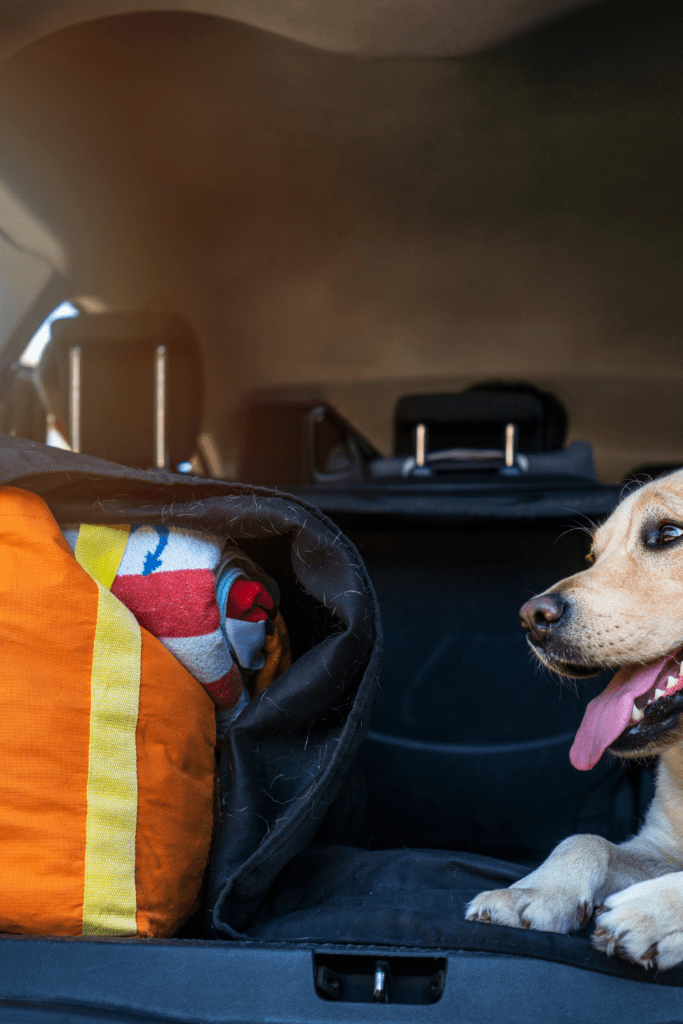
- Favourite Blanket or Bed: Bringing something familiar, like your dog’s favourite blanket or bed, can provide comfort and a sense of security in new environments.
Handling Emergencies While Staying at Hotels
Choosing Pet-Friendly Accommodations
Pick hotels with clear pet policies and emergency procedures. Make sure they’re equipped to handle any pet-related issues.
Verifying Hotel Pet Policies
Confirm the hotel’s pet policy before booking. Some places have specific rules, so knowing these in advance can prevent last-minute surprises.
Finding Nearby Veterinary Services
Research and list nearby veterinary services ahead of time. This ensures you can quickly access help if needed.
Emergency Procedures in Hotels
Know the hotel’s emergency procedures and inform the staff about your pet. Being aware of who to contact and where to go in case of issues can be incredibly helpful.
General Travel Tips for Pet Owners
Ensuring Your Dog’s Wellbeing During Your Trip
Keep your dog’s comfort in mind throughout your journey.
Regular breaks, hydration, and a stress-free environment are key.
Pay attention to your dog’s behaviour and needs, and adjust your plans as necessary to ensure their well-being.
Dealing with Separation Anxiety
Traveling can sometimes trigger separation anxiety in pets.
Help alleviate this by bringing familiar items, maintaining a calm demeanour, and gradually acclimating your dog to new environments.
Familiar toys and a comforting routine can help reduce their stress and make the trip more enjoyable for both of you.
Conclusion
Remember, a little preparation goes a long way.
It’s not just about having the right tools, but also about being ready to act quickly and confidently.
So, before you hit the road or board that plane, double-check your emergency kit, review your pet’s needs, and ensure you know where to find help if necessary.
Your dog trusts you to keep them safe and comfortable, and with these strategies in place, you’ll be able to enjoy your travels with less worry and more joy.
If you have any more questions or need additional tips, don’t hesitate to reach out.
Safe travels and happy adventures to you and your beloved pet!
I used these sources for my information:
- Hills Pet. How to Take a Pet’s Temperature. Retrieved from https://www.hillspet.com.au/pet-care/healthcare/how-to-take-a-pets-temperature
- Gentle Dog Trainers. Best Dog First Aid Kit Australia. Retrieved from https://gentledogtrainers.com.au/best-dog-first-aid-kit-australia/
- MetLife Pet Insurance. What You Should Have in a Pet First Aid Kit and Why. Retrieved from https://www.metlifepetinsurance.com/blog/pet-care/what-you-should-have-in-a-pet-first-aid-kit-and-why/#:~:text=Pet%20first%2Daid%20kits%20are,pet%20might%20come%20up%20with.
- GoodRx. Emergency Preparedness Kit for Pets. Retrieved from https://www.goodrx.com/pet-health/pets/emergency-preparedness-kit-pets
- Department of Fire and Emergency Services (DFES) – Government of Western Australia. Animal Emergency Kit. Retrieved from https://dfes.wa.gov.au/hazard-information/animal-welfare/animal-emergency-kit#2
- Animal Medicines Australia. (2019). Pets in Australia: A national survey of pets and people. Retrieved from https://animalmedicinesaustralia.org.au/report/pets-in-australia-a-national-survey-of-pets-and-people-2/

