
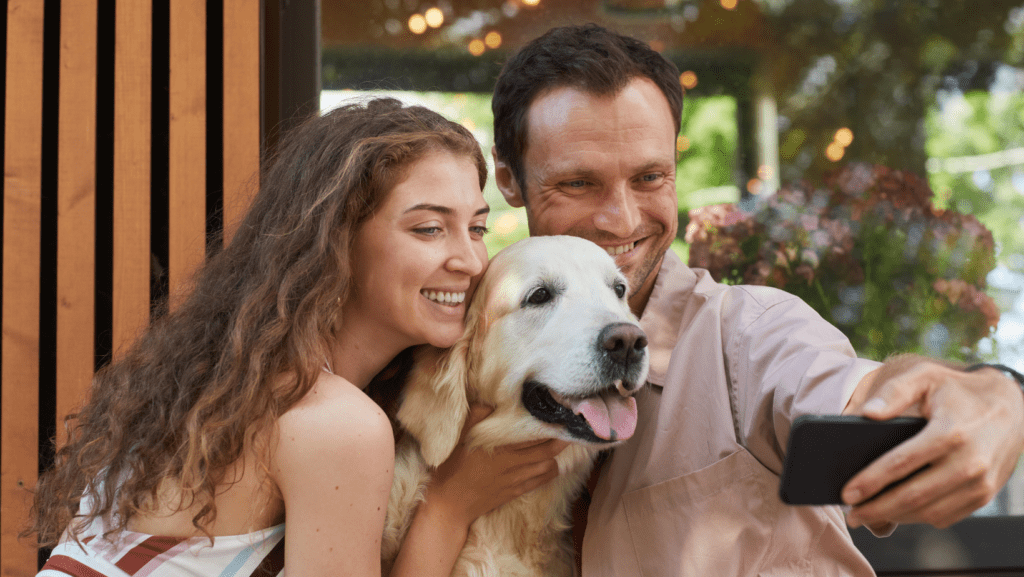
Right now, about 62% of Australian homes have a pet, and almost everyone, around 90%, has had a pet at some time. In fact, in Australia, there are more pets than people [1]. So, it’s no wonder that pet owners might assume everyone else is pet loving too. However, this isn’t always the case.
Some pet owners might assume everyone is pet loving due to their own strong bond with their pets, positive experiences, and the social benefits they get from owning a pet. However, this assumption can lead to a sense of superiority, overlooking reasons some people may not love pets, such as allergies, messiness, noise, or fear.
Table of Contents
Disclosure: This article includes affiliate links. If you click on these links and make a purchase, I receive a small commission. This comes at no extra cost to you but greatly supports the maintenance of this site. Learn more here.
The 'Superiority Complex' of Pet Owners
If you take the time to talk to a pet owner about their furry family member, you are likely to hear stories about the joy they bring to their lives.
There is also scientific evidence that shows the positive effect of pets extending beyond their owners, and into the very social fabric of our neighbourhoods. In fact, studies have found that owning a pet is greatly linked with having a better relationship with the other people who live an work in our society [2].
The risk of this though, which some non-pet owners would have experienced (or even pet owners who aren’t avid ‘animal people’), is that those who are in close nit pet loving circles or communities, may begin to feel superior to those who arn’t [3].
Traditional Pet Ownership
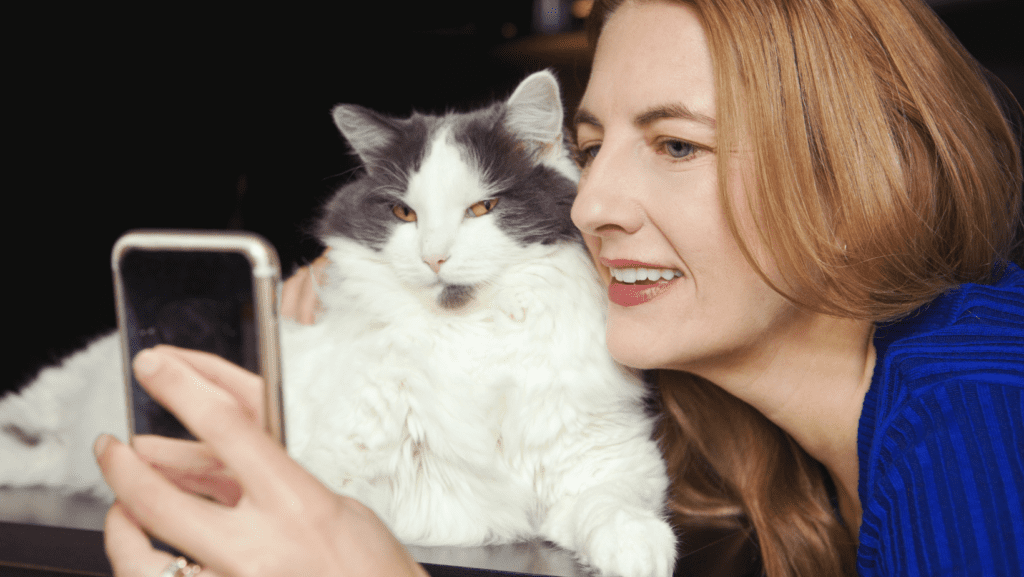
Today, more than ever, people hold a deep affection for their pets, often treating them as cherished family members. However, there still is a huge group of traditional pet owners who, while loving their animals, may not necessarily embrace the term “fur baby.”
A range of factors shape the traditional pet owners approach to pet companionship, such as;
Upbringing
Growing up in an era where pets were considered more as companions than “fur babies,” traditional pet owners may find it challenging to be on board with the increasing popularity of pet-friendly spaces. Their upbringing may not have fostered an expectation of inclusivity for pets in public areas.
Dogs Belong Outside
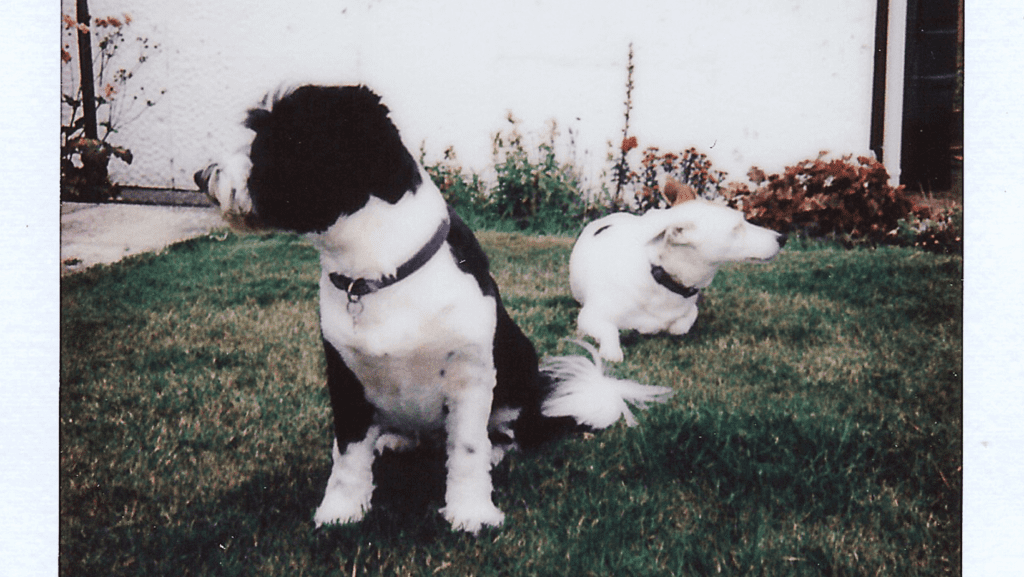
20% of dog owners think that dogs are animals that belong outdoors and therefore choose to exclusively leave their dog outside [4]. These owners may be frustrated at finding dog waste on footpaths, or experiencing obnoxious owners with untrained dogs nearby in a restaurant – these experiences compound their belief that dogs don’t belong out and about. Concerns about noise, cleanliness, and behaviour may lead them to view public spaces as inappropriate for pets.
Pet Education
Some traditional pet owners may not fully embrace modern practices such as vaccinations, desexing, blood screening, and teeth cleaning. The level of vet care pets receive can depend on the owners education around such topics, however, lack of preventative vet care does not necessarily reflect their love for their pets.
Interestingly, within the larger community of “animal lovers,” traditional pet owners may find themselves looked down upon by those who embrace the fur baby culture. This dynamic reflects the diversity of pet ownership philosophies and highlights the need for mutual respect among all types of pet enthusiasts.
Why People Don't Have Pets
Despite Australians huge pet ownership rates, there are still a fair amount of non-pet owners in our communities – over 1/3 of Aussies. And there are a range of reasons they don’t own pets, such as;
Pets can stir up allergies
As an estimate, approximately 1 in 5 Australians are allergic to pet dander. The severity of allergies can range from not being able to pet a cat and touch your face, to not even be able to be in the same room as them without reacting.
Pets can be messy
Many non pet owners – and pet owners who keep their dogs and cats outside – think that they can be messy. And while dogs contribute to our health and well-being, it is correct they can carry potentially harmful germs – That’s why it is important to diligently wash your hands after interacting with, caring for, feeding, and cleaning up after dogs.
People can be afraid of pets
People can not like pets because they’re afraid of them, particularly if a dog has ever bitten you, it’s understandable that you might be afraid of them. Surprisingly, ‘cynophobia’ (the phobia of canines) affects almost 10% of the population.
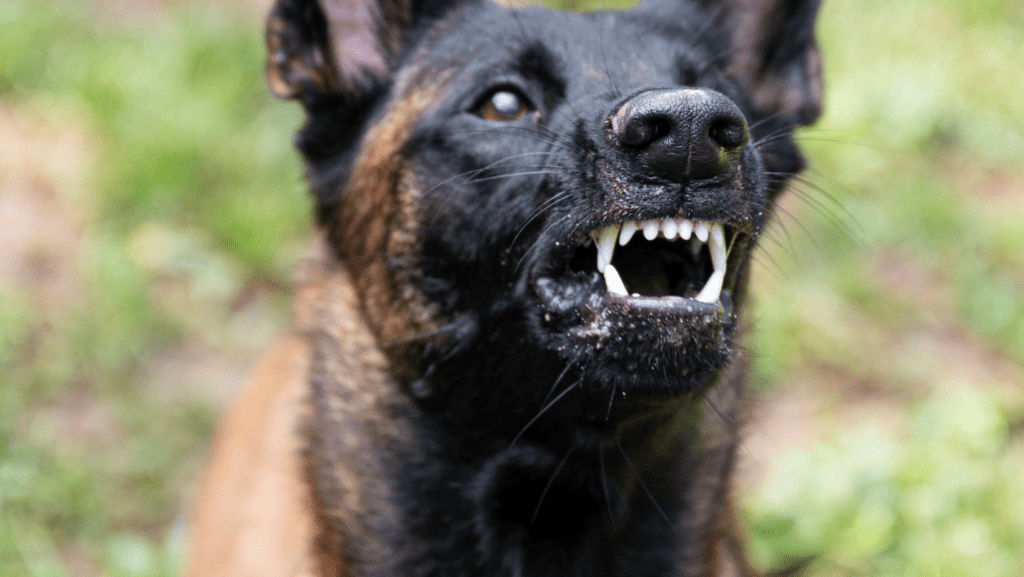
Pets can be loud
Dogs bark and cats fight, and both of these noises can be disruptive. Some people don’t like pets because they can be very loud. Dogs, in particular, are notorious for barking. So much so, that councils have specific local laws about excessive barking.
In Townsville, Queensland, excessive barking is considered;
- A total of 6 minutes in any hour from 7am to 10pm on any day.
- A total of 3 minutes in any 30 minute period from 10pm to 7am on any day.
“Don't trust people who don't love animals"
A phrase that you would have heard before is “I don’t trust people who don’t love animals.” A lot of pet owners think that their love of animals makes them a good person, and by looking at others in the same way, they are able to judge a person’s character.
At a basic level it seams reasonable, those who love animals tend to be kind, and good hearted people – right?. Unfortunately, the truth is that the RSPCA receives thousands of animals every year in every state and territory in Australia – which wouldn’t happen if “animal lovers” were all good people. And likewise, kind people may not be in the right place physically, or mentally to have a pet relying on them.
Do you love dogs, and you want to convince someone who doesn’t? We’ve found the perfect book to gift them! Why I Like Dogs and Hate Everyone Else – It was selling at a great price on Amazon, so check now!
Conclusion
Many pet owners assume that everyone likes pets because so many people in Australia have them.. However, this assumption can sometimes make pet owners act like they’re better than others who don’t love pets. Some people who’ve had pets for a long time may not be into the whole ‘fur baby’ title and they might feel judged by the larger group of ‘animal lovers’ because they have different views on how to care for pets. Even though people often say, “Don’t trust people who don’t love animals,” it’s more complicated. Some really kind people might not be able to have pets for various reasons. It’s important for everyone who loves pets to understand and respect each other, especially as things like rules and what people know about pet care keep changing.

Talitha Mulder
- Animal Medicines Australia. (2019). Pets in Australia: A National Survey of Pets and People.
- Wood, L. (2017, June 28). How our pets strengthen neighborhood ties. The Conversation. https://www.abc.net.au/news/2017-06-28/our-pets-strengthen-neighbourhood-ties/8659174
- Sunimal, F. (2002, July). The Risks of Social Capital: A response to the mid-term report on ‘Social Finance and Social Ties’ based on the experience of the People’s Rural Development Association (PRDA). Contribution to the “Finance of solidarity and social links” workshop, Dourdan, France. Retrieved from https://www.socioeco.org/bdf_fiche-document-1083_en.html#:~:text=Social%20capital%20can%20sometimes%20be,group%2Flower%20level%20community%20together.
- CCIA. (2016). Pets on Holiday Statistics. Retrieved from https://www.clarenceconversations.com.au/42023/documents/95239#:~:text=Two%2Dthirds%20of%20dogs%20have,20%25%20between%202013%20and%202016.

