

My two dogs, a chihuahua cross and a border collie, quickly eat any dairy products in front of them. However, I’ve often wondered about the safety of their indulgence. Does it matter if they eat the dropped cheese from a hot dog or lick the left overs of a soft-serve ice cream? To get answers, I decided to search through the facts.
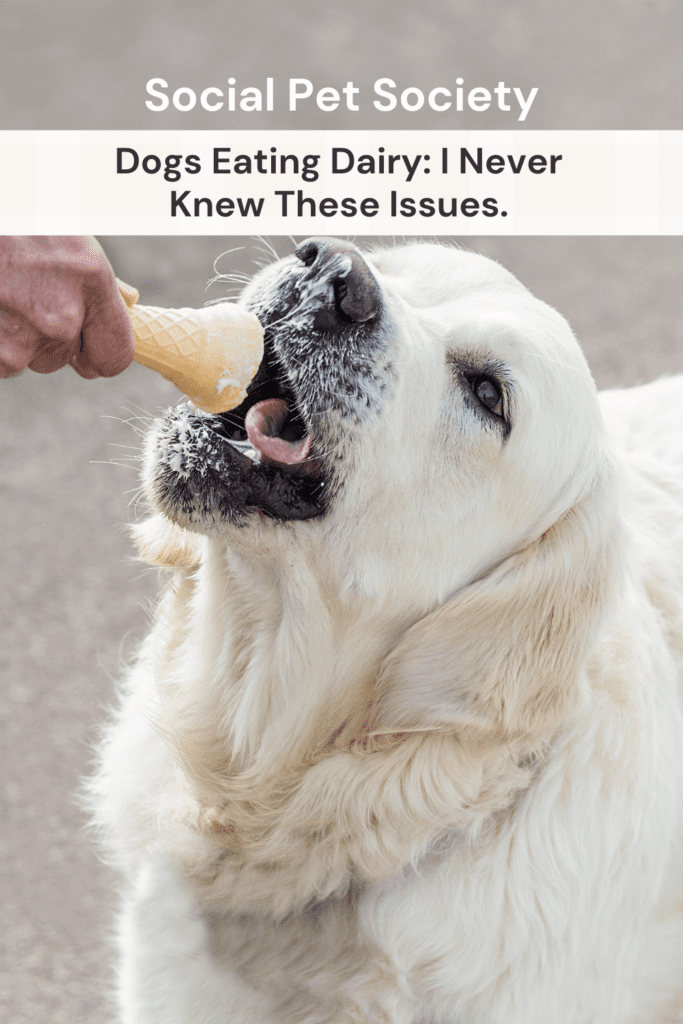
Dogs should have limited amounts of dairy due to the high salt and lactose content. For healthier options, choose low-salt, low-lactose options like cottage cheese and natural yogurt. Avoid ice cream and and instead use frozen natural yogurt, blended frozen bananas, or specialty yoghurt treats.
Throughout this article, I’ll recommend some healthy dairy products for your dog, like this giant bucket sold on Amazon – 700g Dog Treat Carob Drops Bucket – Australian Puppy Button Melts.
Table of Contents
Disclosure: This article includes affiliate links. If you click on these links and make a purchase, I receive a small commission. This comes at no extra cost to you but greatly supports the maintenance of this site. Learn more here.
Is Dairy Good For My Dog?
Dog milk is a nutritional powerhouse for puppies, offering vital nutrients like magnesium, sodium, iron, zinc, copper, manganese, and selenium essential for growth and health. It stands out by having less potassium than cows milk, and lower lactose compared to cow and goat milk [3].
That’s why when it comes to dogs and dairy in general, it’s important to be aware of lactose intolerance. Dogs can develop this condition, struggling to digest lactose, the sugar found in milk. While they are born with the ability to digest their mother’s milk, some dogs may lose the necessary enzymes as they grow.
Keep an eye out for symptoms like vomiting, diarrhoea, gas, bloating, abdominal pain, and reduced appetite, which can first present from 3 months to 10 years of age. If these signs are severe or last more than 12 hours, consulting your vet for guidance is essential [1][2].
So, while dog milk can be a beneficial part of their diet, it’s important to monitor your dog’s tolerance to other dairy products and, if in doubt, consult with your veterinarian.

Can Dogs Eat Cheese?
Cheese can be a delightful treat for dogs, but it’s crucial to opt for varieties with low salt and low lactose content. Stick to pure cheese without any additives for a canine-friendly indulgence. Cottage cheese emerges as the best choice – it’s not only low in fat and calories but also contains less lactose than many other cheese types. Beyond being a tasty treat, cottage cheese provides valuable calcium and protein, contributing to your pup’s overall nutrition.
Here’s a handy tip: avoid aged, soft cheeses like brie or camembert when sharing with your dog. Go for a small serving – one or two small squares or the equivalent– and reserve it for special occasions. Moderation is key to ensuring a healthy and enjoyable cheesy treat for your furry friend! [4].
Can Dogs Drink Milk?
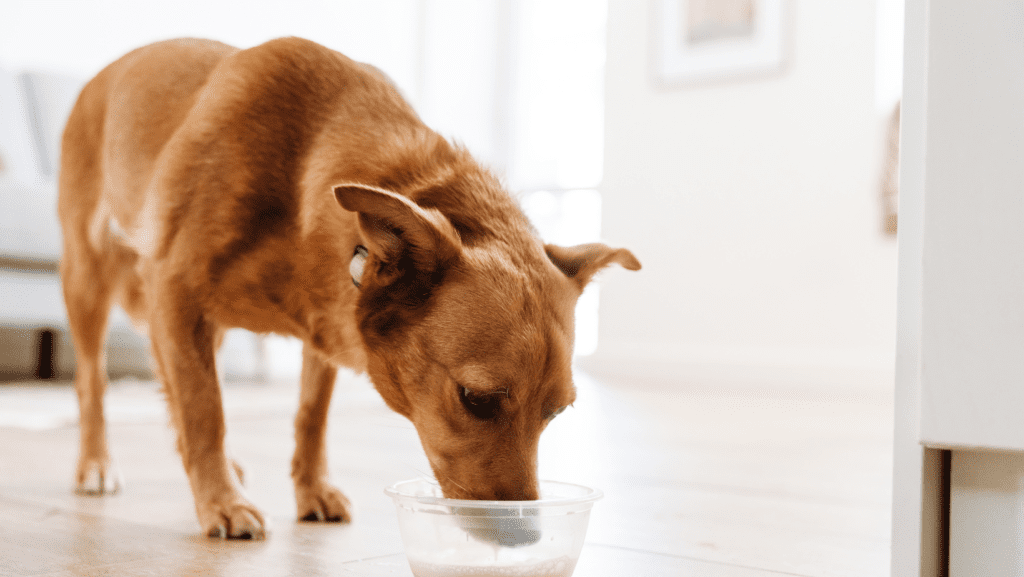
Many dogs can’t digest milk well, just like some people. If you want to give your dog a treat, a small amount of cow’s or goat’s milk once in a while is generally okay. But don’t go overboard – giving your dog a whole bowl at once might make them sick, causing issues like diarrhoea and vomiting.
Also, dogs can drink certain alternative milks, but it depends on the ingredients. Some alternative milks, like almond milk or coconut milk, are generally safe for dogs in small amounts. However, it’s crucial to choose unsweetened and unflavoured varieties to avoid added sugars and artificial additives that may be harmful to dogs.
Keep in mind that while some dogs may tolerate alternative milks, others might be sensitive or allergic to specific ingredients. Always introduce new foods gradually and observe your dog for any signs of digestive upset or allergic reactions. And it’s advisable to consult with your veterinarian before incorporating alternative milks into your dog’s diet to ensure it aligns with their specific nutritional needs and any existing health conditions.
If you think your dog really enjoys the taste of milk and you want to be on the safe side, you could consider options without lactose, like specially made dog milk or lactose-free cow’s milk. Here’s a dairy free milk for your dog – I found it at a great price on Amazon Blackdog Pets Own Dog & Puppy Milk
Can Dogs Eat Yoghurt?
Yogurt stands out as the optimal dietary dairy choice for dogs due to its low lactose content and rich probiotic composition. Probiotics, which are beneficial bacteria essential for health, can be found in yogurt, kefir, buttermilk, and cheese or taken as supplements in various forms. For these bacteria to thrive, they must naturally exist in the body’s microorganisms, endure stomach acidity, traverse the intestines, adhere to intestinal walls, and contribute to overall well-being. Common probiotic strains, including Lactobacillus, Bifidobacterium, and Streptococcus, play a vital role in maintaining oral health in both humans and dogs [5].
While yogurt is an excellent dietary choice, it’s advisable to consider specially formulated pet treats like the cost-effective and sizable packet of yogurt drops for dogs available on Amazon. Explore the current price for a great deal!
Can Dogs Eat Ice-Cream?
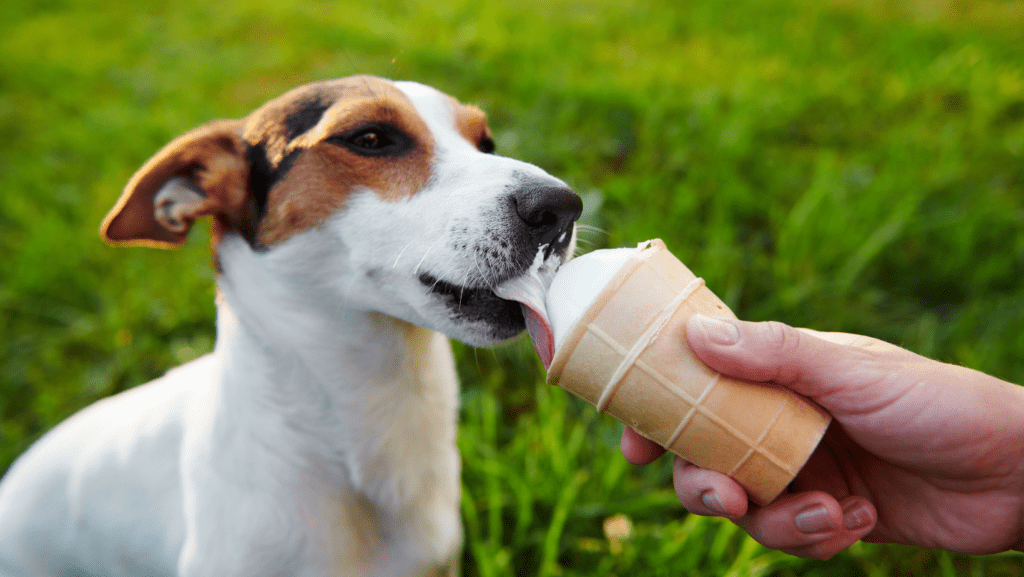
When it comes to treating your pup, ice cream should be the last dairy product on your list due to added flavors, colours, sugar alternatives, and chocolates. Instead, opt for a cool and tasty alternative by freezing fat-free plain yogurt for your furry friend. The fermentation process in yogurt reduces lactose content, making it easier for dogs to digest. Be cautious with commercial frozen yogurts, as they often contain high sugar levels. While yogurt is generally dog-friendly, it’s crucial to consider individual tolerance.
Another delightful treat for your canine companion is “nice cream.” Creating this treat is simple – blend two ripe bananas until creamy, then freeze the mixture. This fruity dessert not only guarantees safety for dogs but also provides nutritional benefits. Bananas are rich in potassium, vitamin B6, vitamin C, and fibre. However, as bananas contain natural sugars, offer them in moderation for a healthy and enjoyable canine snack [6].
Conclusion
It’s crucial to approach the inclusion of dairy in a dog’s diet with balance and mindfulness, considering individual tolerance, especially to lactose. Choosing low-salt and low-lactose cheeses, such as cottage cheese, can be a delightful and safe treat. Yogurt, with its low lactose content and probiotics, is a top choice. However, caution is advised with ice cream due to added ingredients. Opting for healthier alternatives like frozen yogurt or frozen blended bananas ensures a nutrient-rich treat. In conclusion, a thoughtful and balanced approach is key to the safety of including dairy in a dog’s diet.

Talitha Mulder
- https://onlinelibrary.wiley.com/doi/abs/10.1111/j.1748-5827.1993.tb02647.x
- https://www.petmd.com/dog/nutrition/can-dogs-drink-milk
- https://www.ncbi.nlm.nih.gov/pmc/articles/PMC8834635/
- https://www.petmd.com/dog/nutrition/can-dogs-eat-cheese
- https://citeseerx.ist.psu.edu/document?repid=rep1&type=pdf&doi=8b9a3fd4307e565abdfbf1fb9e12f014944c53c2
- https://www.akc.org/expert-advice/nutrition/can-dogs-eat-ice-cream/

