


My puppy, part of our family for just over 8 weeks, recently started chasing my older pup away from his food. She jumps and growls even if he walks by while she’s eating.
Her showing these signs of aggression is worrying me, and I want to get on top of it before it becomes a normal behaviour.
If your dog is growling and snapping at your other dog while eating, they may be guarding the food they see as valuable.
This behaviour is because your pup’s natural instinct is to guard resources.
Training methods that reward the preferred behaviour will prevent resource guarding in your dog.
Table of Contents

Disclosure: This article includes affiliate links. If you click on these links and make a purchase, I receive a small commission. This comes at no extra cost to you but greatly supports the maintenance of this site. Learn more here.
What is Resource Guarding?
Resource guarding is your dog’s way of saying, “Hands off my food—this is mine!”
It’s a natural instinct for them to protect things they value, like their food or favourite toys.
You might notice this behaviour in different ways. It could be as simple as your dog positioning themselves between their food and your other dog. Or, it might escalate to more concerning actions, like growling or even biting.
But don’t take it personally! If your pup growls or tenses up when someone or another pet approaches their food, it’s not them being a troublemaker. It’s just their survival instincts at play.
Understanding this behaviour is the first step in managing it effectively. Start by observing and noting when and how it happens [1].
Other Terms to know
If you want to go googling – It’s important to note that there are different terms like ‘possessive aggression’ or ‘food-related aggression,’ that can mean the same thing. But experts prefer ‘resource guarding.’
Why?
Because aggression isn’t the only way a dog might show this behaviour. And understanding the full range of behaviours can help you address the issue better.

How to Spot If Your Dog is Guarding Their Food or Toys
If you notice these signs, it might mean your dog is guarding their ‘stuff’:
- Eating Really Fast: If your dog gobbles down their food super quickly, they might be trying to keep it all for themselves. It’s like they’re in a speed-eating contest!
- Blocking Their Stuff: Your dog might act defensive, guarding their food or toys, making sure no one else can get close. It’s their way of saying, “Stay away!”
- Growling or Snapping: If your dog growls or even snaps at you or other pets, they’re showing they don’t want to share. It’s their way of protecting what they think is theirs.
Watching for these signs can help you handle the situation before it gets worse.
Differences in Behaviours Between Food and Other Objects
The specific behaviour your dog shows can change depending on what they’re guarding.
For example, your dog might act differently when protecting their food bowl compared to their favourite toy.
Take my Border Collie pup, for example. When it comes to food, she’s ready to bark and lunge at my older Chug, showing clear signs of resource guarding. But with her favourite toy, she tends to run away with it, and avoid confrontation altogether.
Recognising these differences is crucial. By paying attention to how your dog reacts to different things, you can change your training and interventions [1].
Why Does My Dog Get Aggressive Around Food?
Dogs guard their food because it’s an instinct they’ve carried from their evolutionary past.
Back in the day, protecting limited resources was essential for survival.
This behaviour isn’t just a quirk or personality flaw; it’s deeply rooted in their natural instincts.
It’s not about your dog being difficult; it’s about their survival skills kicking in.
By recognising this, you can approach the situation with empathy and develop strategies that help manage and reduce their guarding behaviour [1].
Factors that Could Cause Guarding Behaviour
Dogs might guard their food and toys for different reasons. Understanding why can help you fix the problem.
Here’s a guide to why your dog might be acting this way:
- Acting Without Thinking or Being Scared: If your dog seems scared or acts without thinking, they might guard their stuff because they’re nervous. For example, a scared dog might protect their toys to feel safe.
- Being Territorial: Dogs can be like little kings or queens of their space. They guard their toys and food because they want to keep their special stuff just for themselves.
- Fear and Worry: If your dog has had bad experiences or hasn’t met many other pets or people, they might guard their things because they’re anxious or scared of what might happen.
- Feeling Insecure: Dogs that feel unsure of themselves might guard their food and toys to feel more in control. Helping them feel more confident can make them less protective.
- Not Understanding You: Dogs don’t always understand our words. If they’re not sure what you want, they might guard their stuff to show they need something. Teaching them other ways to communicate can help.
- Bad Memories: If your dog has had their food or toys taken away before, they might guard them more in the future. Training and socialising them well can make a difference.
By understanding these reasons, you can find better ways to help your dog feel comfortable and less worried about their food and toys.
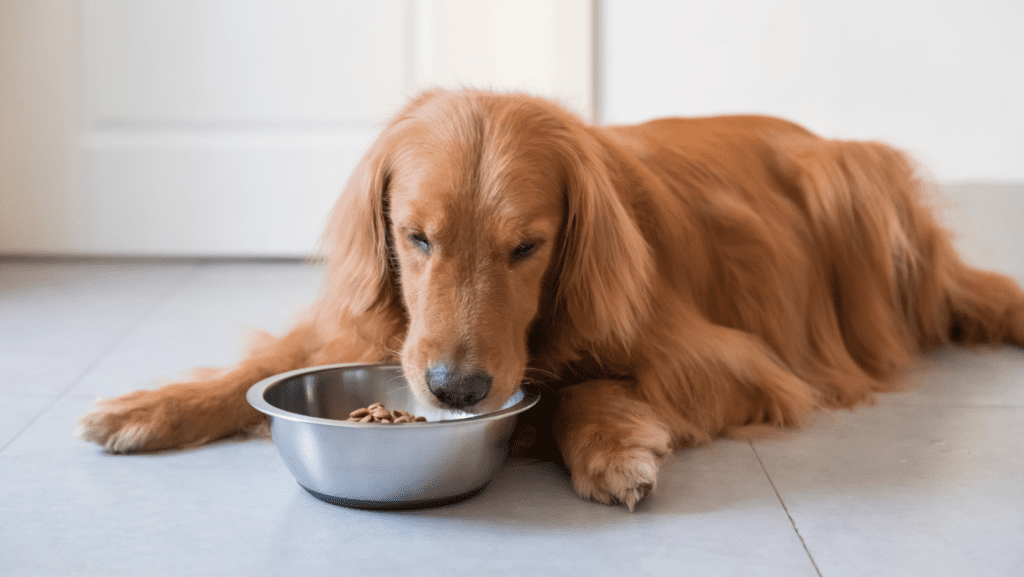
Should I Punish My Dog for Food Aggression?
Preventing resource guarding in your dog starts with proactive training and creating positive experiences around valuable resources.
Here’s how you can do it:
- Positive Reinforcement: During mealtime or when your dog is near their favourite toys, use positive reinforcement. Reward your dog for sharing or staying calm. This helps them associate positive experiences with not guarding their resources.
- Teach Commands: Teach commands like “drop it” or “leave it” to manage their behaviour. These commands can help you guide them away from guarding and towards more positive actions.
- Avoid Punishment: Remember, your dog isn’t guarding resources to be naughty. They’re following their instincts. Instead of punishing, focus on reinforcing good behaviour. Encourage them with treats and praise when they act calmly around their food or toys.
By consistently using these methods, you’ll help your dog understand that sharing and being calm can lead to rewards, making resource guarding less of an issue [2].
How Do I Stop My Dog from Being Possessive Over Food?
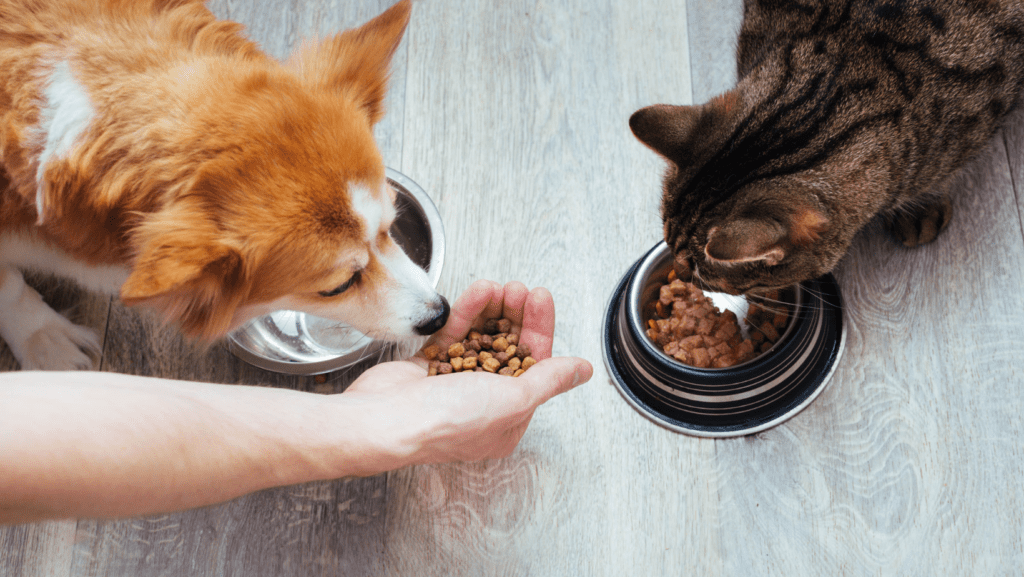
Utilising positive reinforcement is all about rewarding your dog for the behaviours you want to see more of.
Here’s how you can apply it to resource guarding:
- Reward Desired Behaviours: When your dog willingly gives up an item or shows calm behaviour around their resources, immediately reward them with treats, praise, or their favourite toy. This helps create a positive association with sharing.
- Create Positive Associations: Every time your dog allows you to approach their food or toys without guarding, reinforce this behaviour. The more they connect giving up their resources with something positive, the more likely they’ll be to do it again.
- Be Consistent: Consistency is key. Make sure you reward these positive behaviours every time you see them. This will help reinforce the idea that sharing and not guarding leads to rewards.
By focusing on rewarding the behaviours you want to encourage, you’ll help your dog learn that sharing is a good thing, making resource guarding less of an issue.
Steps to Desensitise Your Dog
Identify Triggers
First, figure out what sets off your dog. Watch closely to see if it’s their food, toys, bed, or something else they’re protective about.
Knowing what triggers their guarding behaviour is the first step.
Start Desensitisation
- Create a Safe Space: Begin by introducing the item they guard in a calm and secure environment. This helps them feel safe while they’re exposed to their trigger.
- Take It Slow: Start by showing them the item from a distance or in a less intimidating way. Gradually get closer or interact with it more, so they can get used to it without feeling threatened.
Use Positive Reinforcement
- Reward Good Behaviour: When your dog stays calm around their guarded item, reward them with treats or praise. This helps them associate good behaviour with positive outcomes.
- Encourage Positive Actions: When they let you near the item or even share it willingly, show your approval with treats or extra attention. This reinforces that sharing brings rewards.
Be Patient and Consistent
- Practice Regularly: Changing behaviour takes time, so don’t get discouraged if progress seems slow. Consistency is key.
- Stick to the Plan: Use the same techniques each time and ensure everyone in the family follows the same approach. This prevents confusion and helps your dog learn faster.
Consider Professional Help
If you’re dealing with aggressive guarding, it’s often wise to seek help from professional trainers or behaviourists. They can tailor a training plan to your dog’s specific needs and history, ensuring a more effective approach.
Conclusion
To sum it up, if your dog is acting aggressively around food, it’s likely because they see it as valuable and want to control it.
This behaviour, known as resource guarding, can range from subtle signs to more aggressive actions like biting.
Understanding why dogs do this, such as evolutionary instincts or territorial behaviours, is essential.
Training methods like positive reinforcement can help reshape their behaviour. If the aggression is severe, seeking professional help is a good idea.
These are the sources I used for this article:
- Jacobs, J. A., Pearl, D. L., Coe, J. B., Widowski, T. M., & Niel, L. (2017). Ability of owners to identify resource guarding behavior in the domestic dog. Applied Animal Behaviour Science, 188, 77-83.
- Jacobs, J. A., Coe, J. B., Pearl, D. L., Widowski, T. M., & Niel, L. (2018). Factors associated with canine resource guarding behavior in the presence of people: A cross-sectional survey of dog owners. Preventive Veterinary Medicine, 161, 143-153.
- Jacobs, J. A., Coe, J. B., Widowski, T. M., Pearl, D. L., & Niel, L. (2018). Defining and Clarifying the Terms Canine Possessive Aggression and Resource Guarding: A Study of Expert Opinion. Frontiers in Veterinary Science, 5, 115.

