

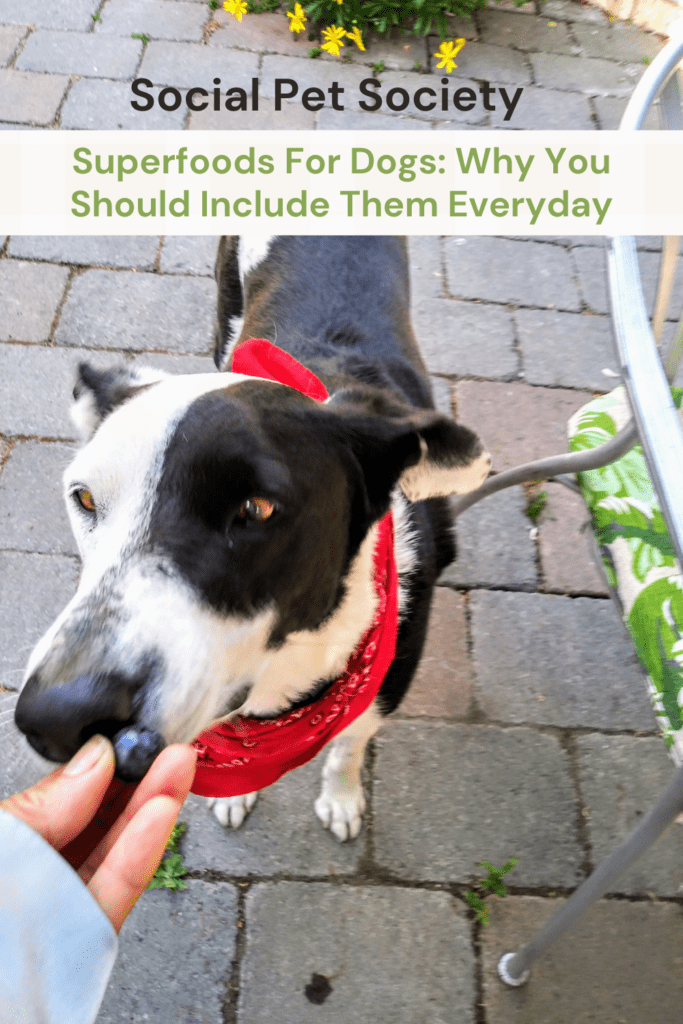
My new Border Collie pup, Bindi, is a total foodie—she’ll happily devour anything in sight! I often have to pop her outside as she tries to sneakily snatch up any leftover zucchini or pasta from the kids. On the flip side, my Chug, Giggy, isn’t as keen on treats, so I’m on a quest to discover which superfoods will really get both of them excited. After spending countless hours scouring the web for the best information, I’m excited to share my findings with you.
Including superfoods into your dog’s diet can be a great idea. Like us, our dogs can benefit from nutrient-packed ingredients that provide fatty acids, protein, vitamins, and minerals. However, it’s essential to introduce these new foods slowly, observing how your dog reacts to them.
Table of Contents
Disclosure: This article includes affiliate links. If you click on these links and make a purchase, I receive a small commission. This comes at no extra cost to you but greatly supports the maintenance of this site. Learn more here.
The Importance of Superfoods in Dog Nutrition
As loving pet owners, we always aim to give our beloved pooches the best care possible. This means providing them with nutritious meals that improve their overall health and well-being.
While traditional dog foods are formulated to meet basic nutritional requirements, incorporating superfoods into your dog’s diet can take their nutrition to the next level.
Like humans, dogs face various health issues like obesity, gut problems, skin troubles, behavioural issues, arthritis, autoimmune disorders, heart problems, and even cancer. These illnesses might seem unrelated, but they can often come from inflammation caused by their lifestyles and diet.
That’s where the science of canine nutrigenomics (pronounced nutri-gen-om-ics) comes in – exploring how diet impacts our dogs [1]. You can get a book on this topic, called Canine Nutrigenomics – The New Science Of Feeding Your Dog For Optimum Health, here on Amazon for a great price!
While there’s no one-size-fits-all food for dogs, there are some foods that stand out as superfoods because of their exceptional nutrient content. These superfoods are packed with vital nutrients that can boost your dog’s meals and snacks, contributing to a healthier diet [2].
Adding superfoods to your dog’s diet can increase their intake of essential vitamins and minerals that might be lacking in store packed products. That’s because even nutrients that are “non-essential” can offer significant health benefits. For example phytonutrients, which are found in plants, may not have set intake requirements, but they still contribute to your dog’s well-being and longevity. Some plant compounds have anti-inflammatory and antioxidant properties that can help prevent chronic diseases in dogs [5].
Every dog is unique, so providing optimal nutrition requires a personalised approach. While it might not be feasible to create a perfect diet for every dog, it’s certainly achievable to improve it. When adding superfoods to your dog’s diet, consider their individual needs and preferences, as well as any existing health conditions.
Consulting with a veterinarian or canine nutritionist can also provide valuable guidance to ensure you’re giving your dog the best possible nutrition.
Top Superfoods to Include in Your Dog's Diet
Just like humans, dogs can benefit from the addition of nutrient-packed superfoods to their diet. These powerhouse ingredients are rich in vitamins, minerals, antioxidants, and other essential nutrients that can support your dog’s overall health and well-being.
Here are some top superfoods that you can incorporate into your furry friend’s meals to give them a nutritional boost.
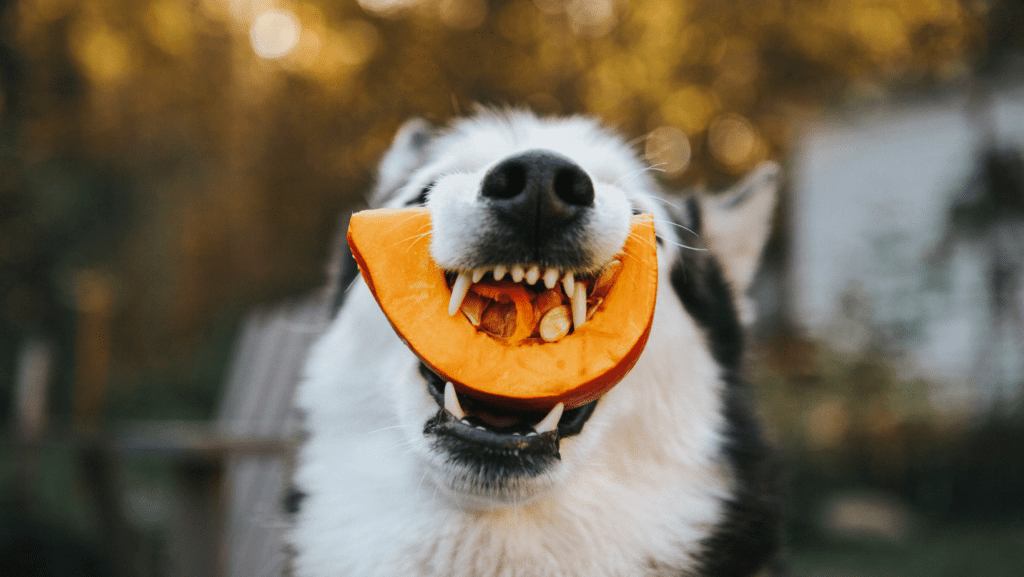
Pumpkin
- Rich in α-Carotene, a type of carotenoid.
- Promotes healthy body weight and condition in puppies.
- Supports insulin sensitivity and controls blood glucose levels.
- Enhances cardiovascular health by boosting antioxidant levels.
- Rich in α-Carotene, a type of carotenoid.
Dogs should eat cooked pumpkin in moderation. It’s often used to aid digestion and provide fibre.
Spinach
- Contains high levels of β-Carotene, Lutein, and Zeaxanthin.
- Improves immune health by increasing antibody levels.
- Supports bone and joint health by reducing inflammation.
- Enhances visual health and cognitive function.
- Contains high levels of β-Carotene, Lutein, and Zeaxanthin.
Dogs can eat cooked spinach in moderation. It’s high in vitamins and minerals but should be cooked to break down oxalic acid, which can inhibit calcium absorption.
Carrots
- Loaded with β-Carotene, essential for immune health.
- Decreases the risk of urinary bladder cancer in certain breeds.
- Promotes renal health by reducing proteinuria and improving kidney function.
- Supports healthy skin and coat.
- Loaded with β-Carotene, essential for immune health.
Dogs can eat carrots cooked or uncooked. They’re low in calories and high in fibre, vitamins, and minerals.
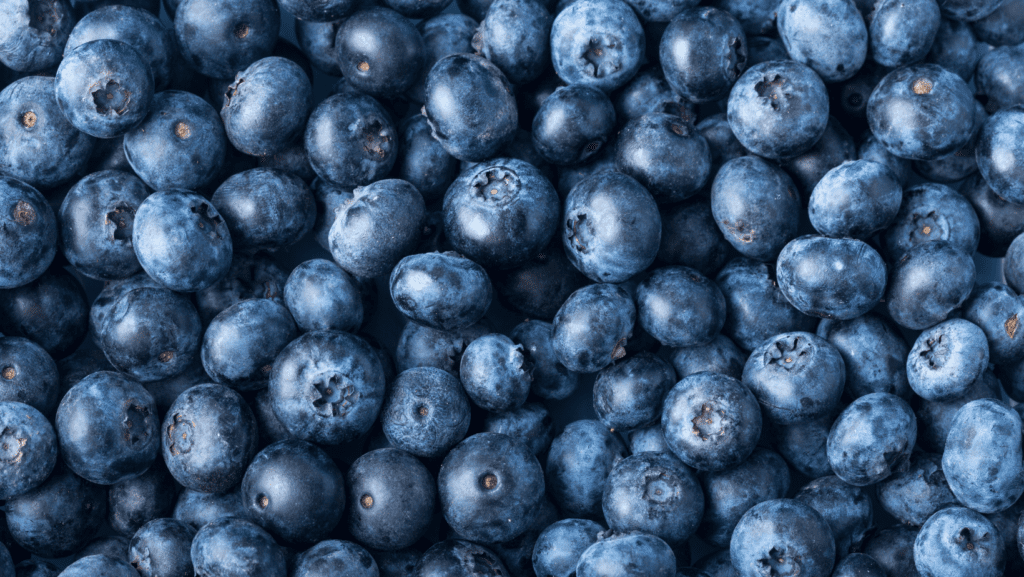
Blueberries
- Rich in phenolic acids and flavonoids.
- Protects against cardiovascular diseases and oxidative stress.
- Improves cognitive function and memory in aged dogs.
- Enhances skin and coat health by reducing inflammation.
- Rich in phenolic acids and flavonoids.
Dogs can eat blueberries in moderation. They’re rich in antioxidants and can be a healthy treat.
Flaxseed Oil
- High in phytosterols, beneficial for cardiovascular health.
- Lowers serum cholesterol and triglyceride levels (the bad cholesterol).
- Supports insulin sensitivity and prevents weight gain.
- Enhances skin and coat condition, reducing inflammation.
- High in phytosterols, beneficial for cardiovascular health.
Dogs can consume flaxseed oil, but in small amounts. It’s high in omega-3 fatty acids, which are beneficial for skin and coat health.
Soybeans
- Contains isoflavones that aid in weight management.
- Improves insulin sensitivity and helps in weight loss.
- Supports gut health by modulating gut microbiota.
- Enhances skin and coat health, promoting a glossy coat.
- Contains isoflavones that aid in weight management.
Soybeans can be safe for dogs in moderation, but some dogs may have allergies or sensitivities to soy. Consult with your vet before introducing soy into your dog’s diet.
Kale
- Rich in flavonols and phytosterols.
- Improves cardiovascular health and lowers cholesterol levels.
- Enhances immune function and supports bone health.
- Provides antioxidant protection and reduces inflammation.
- Rich in flavonols and phytosterols.
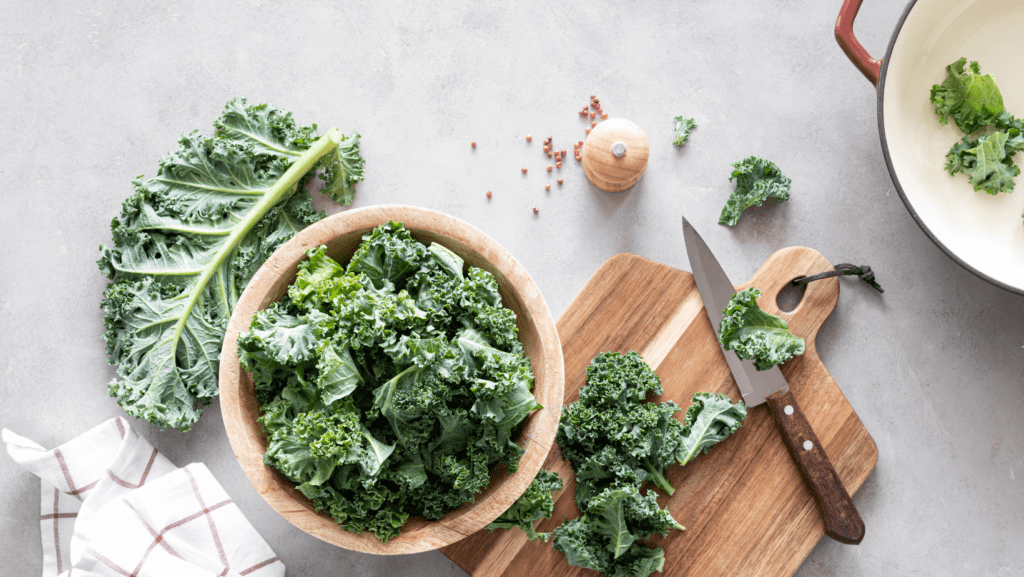
Dogs can eat kale in moderation, but it should be cooked to break down the tough fibres and make it easier to digest.
Cranberries
- Loaded with hydroxybenzoic acids and anthocyanidins.
- Prevents urinary tract infections and supports kidney function.
- Protects against cardiovascular diseases and oxidative damage.
- Improves cognitive function and memory in aged dogs.
- Loaded with hydroxybenzoic acids and anthocyanidins.
Dogs can eat cranberries in moderation. They’re often used to promote urinary tract health.
Sunflower Seeds
- Rich in hydroxycinnamic acids and flavonoids.
- Supports joint health and reduces inflammation.
- Enhances skin and coat condition, reducing dryness and itchiness.
- Provides essential fatty acids for overall health and well-being.
- Rich in hydroxycinnamic acids and flavonoids.
Dogs can eat unsalted, shelled sunflower seeds in moderation. They’re a good source of healthy fats and vitamins.
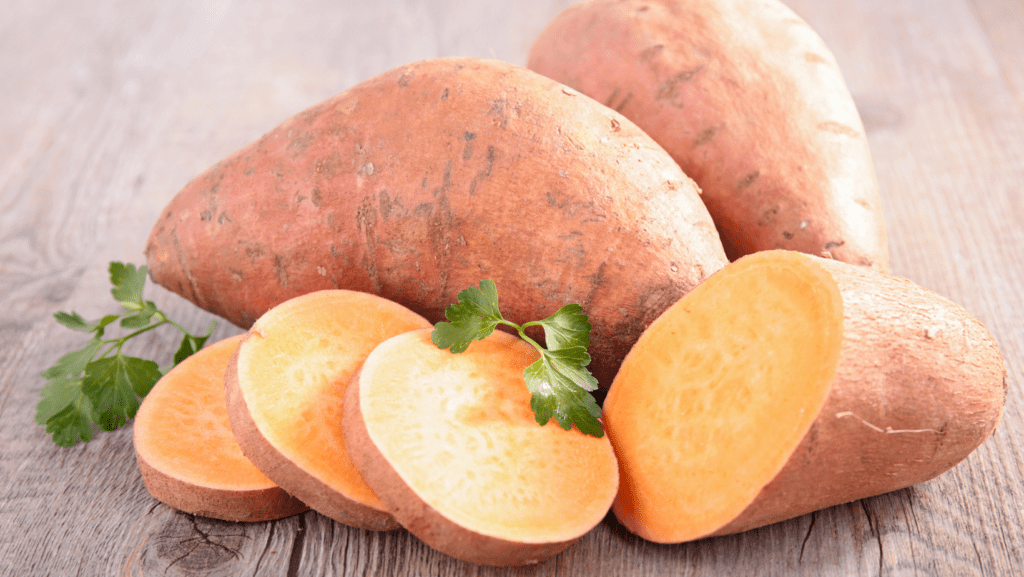
Sweet Potatoes
- Contains β-Carotene and other essential nutrients.
- Supports immune health and reduces the risk of cancer.
- Regulates blood sugar levels and improves insulin sensitivity.
- Enhances digestive health and supports gut microbiota balance.
Dogs can eat cooked sweet potatoes. They’re rich in fibre, vitamins, and minerals and are often used as a healthy alternative to regular potatoes [5].
While many of these superfoods offer significant health benefits for dogs, it’s important to exercise caution and moderation when introducing new foods into your dog’s diet. Always introduce new foods gradually and in small amounts to monitor for any adverse reactions.
Additionally, be cautious of any foods that may be toxic to dogs, such as grapes, onions, garlic, chocolate, and certain nuts. Consult with your veterinarian before making significant changes to your dog’s diet.
Incorporating Superfoods into Homemade Dog Meals
Creating homemade meals for your furry friend gives you a fantastic opportunity to nourish them with fresh, wholesome ingredients that cater to their health and happiness. Introducing nutrient-packed superfoods into your dog’s homemade meals can elevate their nutritional intake, offering huge variety of essential vitamins, minerals, and antioxidants. Here are some simple yet delightful ways to incorporate superfoods into your dog’s diet.
DIY Superfood Mix:
Craft a personalised superfood mix by blending various nutrient-rich ingredients. Begin with cooked whole grains like brown rice or quinoa, then add in superfoods such as blueberries, spinach, sweet potatoes, and salmon. Mix thoroughly and serve as a nutritious addition to your dog’s meals.
Superfood Smoothie:
Blend together a refreshing superfood smoothie using ingredients like plain yogurt, kale, carrots, and coconut oil. Add a splash of water or low-sodium broth for the desired consistency. Pour the smoothie over your dog’s regular food or freeze it into ice cube trays for a cool and enjoyable treat.
Homemade Superfood Treats:
Bake homemade superfood treats using a blend of nutrient-packed ingredients. Experiment with recipes like blueberry and oatmeal cookies, sweet potato and salmon bites, or spinach and cheese biscuits. These homemade treats not only taste delicious but also provide essential nutrients for your dog’s health.
Superfood Toppers:
Sprinkle superfood toppers over your dog’s regular meals to enhance their nutritional content. Toppers can include chopped steamed vegetables, fresh berries, flaxseed meal, or a dollop of plain yogurt. Explore different combinations to discover your dog’s favourites.
Superfood Stuffed Kongs:
Fill a Kong toy with a mixture of superfoods and freeze for an interactive treat. Here’s a great priced buy on Amazon if you don’t have a Kong. Stuff the Kong with ingredients like mashed sweet potatoes, cooked ground turkey or chicken, and a spoonful of pumpkin puree. Freeze overnight for a nutritious and long-lasting snack.
Superfood Salad:
Prepare a nutrient-packed salad for your dog using ingredients like shredded carrots, diced cucumbers, cooked peas, and chopped boiled eggs. Toss with a drizzle of olive oil or a sprinkle of nutritional yeast for added flavour. Serve as a refreshing side dish or mix it into your dog’s regular food.
Superfood Meal Toppers:
Enhance your dog’s regular meals with a superfood medley for an extra nutritional boost. Combine diced apples, blueberries, cooked quinoa, and ground flaxseed. Spoon over your dog’s food to introduce variety and enhance the nutritional value of their meals.
Superfood Broth:
Simmer nutrient-rich ingredients in low-sodium broth to create a flavourful and nourishing superfood broth. Use ingredients like kale, carrots, sweet potatoes, and lean proteins such as chicken or turkey. Strain the broth and serve as a warm addition to your dog’s meals.
Superfood Stir-Fry:
Whip up a superfood stir-fry for your dog using a mix of fresh vegetables, lean proteins, and healthy fats. Sauté broccoli, bell peppers, snap peas, and tofu or lean beef in olive oil. Serve over cooked brown rice or quinoa for a balanced meal.
Superfood Smoothie Bowls:
Blend bananas, berries, spinach, and coconut milk to create vibrant and nutritious smoothie bowls for your dog. Top with shredded coconut, chia seeds, and diced mango for added goodness. Serve as a refreshing meal or snack.
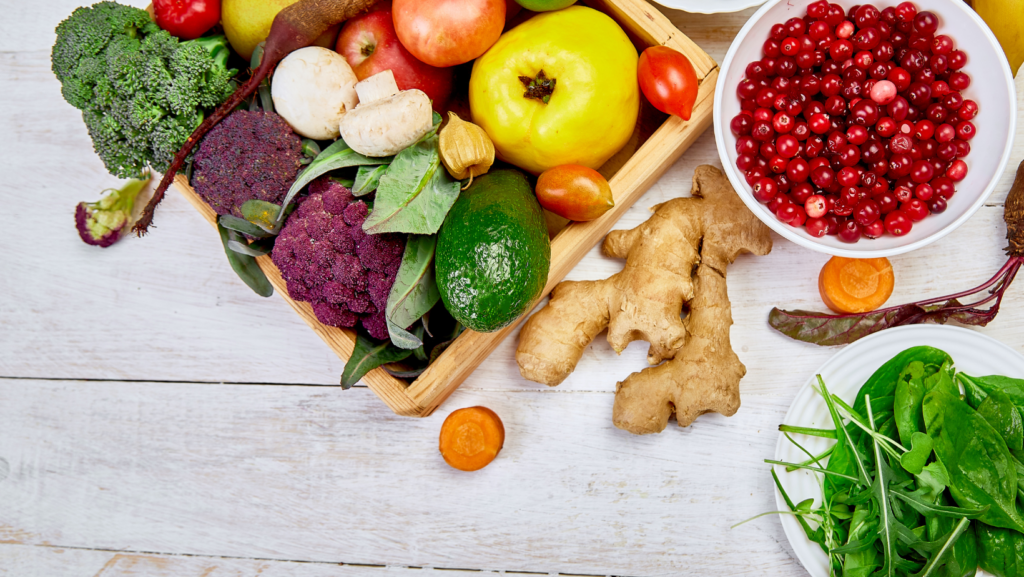
By incorporating superfoods into your dog’s homemade meals, you can provide them with so many essential nutrients, which supports their overall health and well-being. Let your creativity shine in the kitchen as you explore different superfood recipes tailored to your canine companion’s tastes.
What is the #1 Superfood to Feed Your Dog?
When it comes to superfoods for dogs, one truly stands out: salmon. It’s packed full of omega-3 fatty acids, protein, and essential vitamins and minerals, making it a fantastic choice for your furry friend’s health.
Omega-3 fatty acids, especially EPA and DHA, are crucial for keeping your dog healthy overall. They help fight inflammation, keep the heart in good shape, support brain function, and give your pup that shiny coat and healthy skin they deserve. This means that adding salmon to your dogs diet can lower the risk of issues like arthritis, boost brainpower, and make them feel great all around.
Salmon is also bursting with high-quality protein, which is vital for building and repairing muscles. Plus, it keeps their immune system strong and keeps them feeling satisfied after meals. With salmon on the menu, you’re giving your dog a tasty protein source that keeps them energised and supports their muscles.
Plus, it’s loaded with vitamins and minerals. The good stuff like vitamin D, vitamin B12, selenium, and potassium. These nutrients do all sorts of important jobs, like keeping bones healthy, helping the body use energy, and fighting off illness. By adding salmon to your dog’s diet, you’re giving them a well-rounded mix of nutrients to keep them healthy and lively.
Now, when you’re picking out salmon for your pup, go for the fresh or frozen wild-caught kind whenever you can. Steer clear of smoked, cured, or seasoned salmon, as these can have additives or too much salt, which isn’t great for your dog.
But, here’s a heads-up: raw salmon can actually be harmful to dogs, potentially causing poisoning [4]. So, it’s best to cook it up to avoid any risks. Don’t worry, cooking won’t strip away the good stuff – especially if you boil or steam it. Stay safe and steer clear of serving raw fish to your furry pal.
Recipes Featuring Nutrient-Rich Superfoods
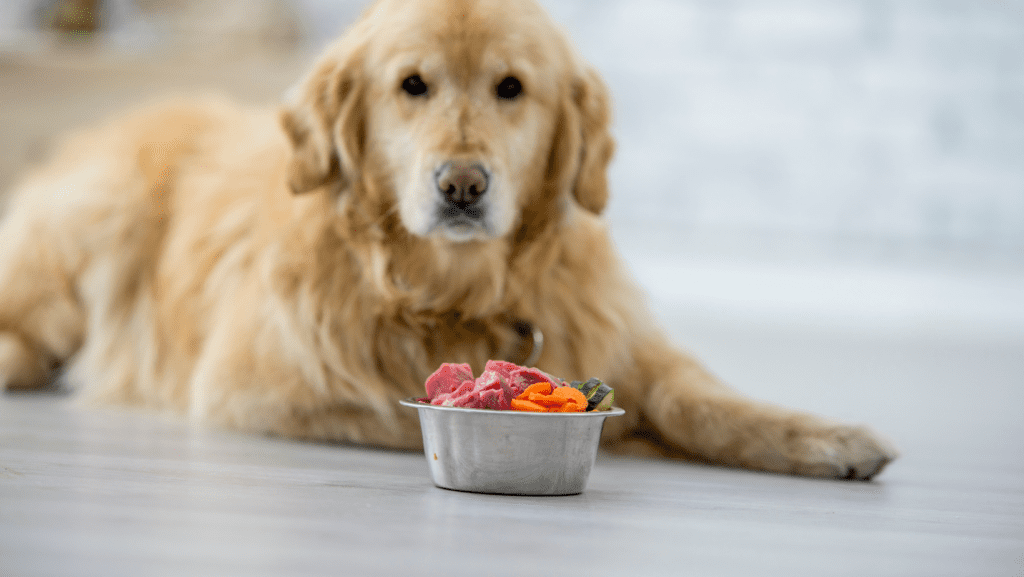
Providing your furry friend with a nutritious varied diet is not only great for their health, but also great for boosting happiness. I’ve found a bunch of easy recipes to allow you to incorporate nutrient-rich superfoods into their day:
1. Blueberry and Banana Smoothie
Ingredients:
1 ripe banana, peeled and mashed
1/2 cup fresh blueberries
1/4 cup plain yogurt (unsweetened)
1/4 cup water or coconut water
Optional: 1 tablespoon honey or maple syrup (for added sweetness)
Instructions:
- In a blender, combine the mashed banana, blueberries, plain yogurt, and water.
- Blend until smooth and well combined.
Taste the smoothie and add honey or maple syrup if desired for added sweetness. - Pour the smoothie into a bowl or Kong toy for your dog to enjoy.
2. Salmon and Sweet Potato Patties
Ingredients:
1 cup cooked salmon, flaked
1/2 cup cooked sweet potato, mashed
1 egg
1/4 cup oat flour or breadcrumbs
Optional: 1/4 cup finely chopped spinach or kale
Instructions:
- Preheat the oven to 350°F (175°C) and line a baking sheet with parchment paper.
- In a large bowl, combine the cooked salmon, mashed sweet potato, egg, oat flour or breadcrumbs, and optional chopped greens.
- Mix until well combined and the mixture holds together.
- Shape the mixture into small patties and place them on the prepared baking sheet.
- Bake in the preheated oven for 15-20 minutes or until the patties are cooked through and golden brown.
- Allow the patties to cool before serving to your dog.
3. Chicken and Quinoa Stew
Ingredients:
1 cup cooked chicken, shredded
1/2 cup cooked quinoa
1/4 cup peas
1/4 cup carrots, diced
1/4 cup green beans, chopped
1 cup low-sodium chicken broth
Instructions:
- In a large saucepan, combine the cooked chicken, quinoa, peas, carrots, green beans, and chicken broth.
- Bring the mixture to a boil over medium heat, then reduce the heat to low and simmer for 10-15 minutes or until the vegetables are tender.
- Remove the stew from the heat and let it cool slightly before serving to your dog.
4. Spinach and Cheese Biscuits
Ingredients:
2 cups whole wheat flour
1/2 cup rolled oats
1/4 cup grated cheese (such as cheddar or parmesan)
1/4 cup cooked spinach, chopped
1 egg
1/2 cup water
Instructions:
- Preheat the oven to 350°F (175°C) and line a baking sheet with parchment paper.
- In a large bowl, combine the whole wheat flour, rolled oats, grated cheese, and cooked spinach.
- In a separate bowl, beat the egg and water together, then add it to the dry ingredients.
- Mix until a dough forms, adding more water if necessary to achieve the right consistency.
- Roll out the dough on a lightly floured surface to about 1/4 inch thickness, then use cookie cutters to cut out shapes.
- Place the biscuits on the prepared baking sheet and bake in the preheated oven for 20-25 minutes or until golden brown.
- Allow the biscuits to cool completely before serving to your dog.
When preparing homemade recipes for your dog, it’s essential to use fresh, high-quality ingredients and avoid any foods that may be harmful or toxic to dogs.
Conclusion
Incorporating superfoods into your dog’s diet can be a game-changer for their health and vitality. From antioxidant-rich blueberries to omega-3-packed salmon, these nutrient powerhouses offer a plethora of benefits for our furry friends. But we want to hear from you! What superfoods have you tried with your dog, and what benefits have you noticed? Let us know in the comments below and join the conversation on how we can all give our dogs the best nutrition possible!

Talitha Mulder
- Dodds, W. J., & Laverdure, D. (2017). Canine Nutrigenomics: The New Science of Feeding Your Dog for Optimum Health.
- https://www.health.harvard.edu/blog/10-superfoods-to-boost-a-healthy-diet-2018082914463
- Hesta, M., Verbrugghe, A., Gulbrandsen, K. E., Christophe, A., Zentek, J., Hellweg, P., & Janssens, G. P. J. (2012). Biological effects of short-term salmon oil administration, using distinct salmon oil sources in healthy dogs. Paper. Retrieved from https://doi.org/10.1111/j.1748-5827.2012.12000.x
- Booth, A. J., Stogdale, L., & Grigor, J. A. (1984). Salmon Poisoning Disease in Dogs on Southern Vancouver Island. Can Vet J, 25(1), 2–6. PMID: 17422349. PMCID: PMC1790503.
- Tanprasertsuk, J., Tate, D. E., & Shmalberg, J. (2021). Roles of plant-based ingredients and phytonutrients in canine nutrition and health. Journal of Animal Physiology and Animal Nutrition, 106(3), 586-613. https://doi.org/10.1111/jpn.13626

