
How Do I Choose a Dog Collar and Leash?
When I got both of my dogs, my older Chug and my new Border Collie, they both came with a collar and leash. I’ve continued using a collar for my Chug since he’s well-behaved on the leash and doesn’t pull. However, I haven’t started walking my Border Collie outside yet because she’s due for her…
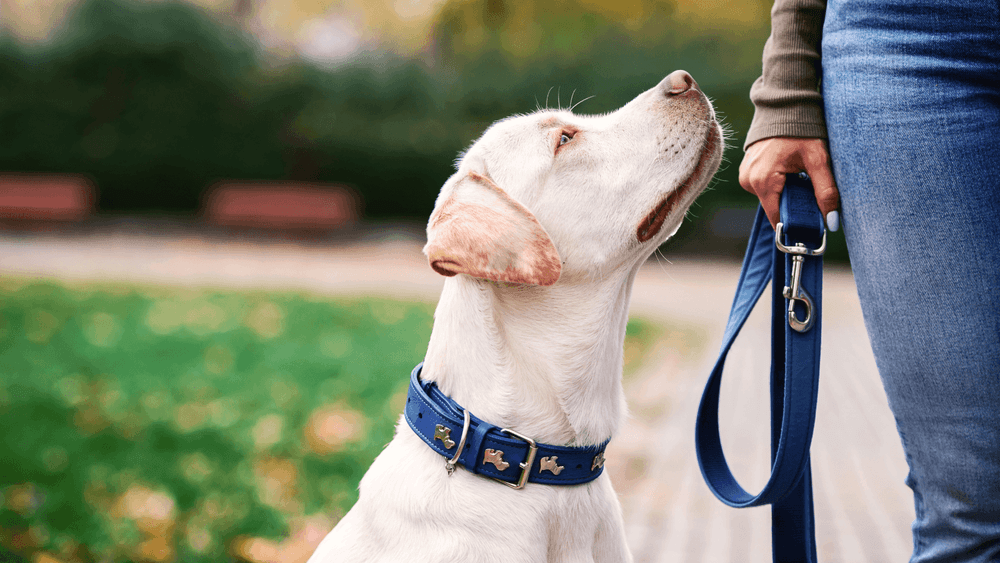
When I got both of my dogs, my older Chug and my new Border Collie, they both came with a collar and leash. I’ve continued using a collar for my Chug since he’s well-behaved on the leash and doesn’t pull. However, I haven’t started walking my Border Collie outside yet because she’s due for her last vaccination tomorrow. Since she has a lot of energy, I want to ensure I start her off on the right foot, and I’m considering using a harness instead. So, what should I be using for her?
When picking a collar and lead for your dog, consider their size, breed, and behaviour. Harnesses suit most breeds, especially pullers or those with respiratory issues. Also, opt for tools favouring positive reinforcement over harsh ones like choke or prong collars.
Later in this article I recommend these treats – because they are a favourite for puppies and grown dogs alike – especially for training treats. You can check out the Chicken – wrapped rawhide dog chew here, on Amazon.
Table of Contents
Disclosure: This article includes affiliate links. If you click on these links and make a purchase, I receive a small commission. This comes at no extra cost to you but greatly supports the maintenance of this site. Learn more here.
Trying to understand all of the advice given online on which type of collar to use for your dog can be overwhelming. When I was researching this topic, I kept coming across conflicting recommendations from different sources. For example, while the RSPCA advises against using head harnesses, some dog training books suggest their use.
But, even though there are so many opinions, I have set out to find the common theme among them all. Which turns out to be to prioritise your dog’s safety and well-being. Factors such as your dog’s size, breed, and any behavioural issues they have is the biggest determining factor when choosing the type of collar or lead to use.
What Age Should you Put a Collar and Leash on a Puppy?
A few days after bringing your new puppy home, it’s important to introduce them to their collar. Let them sniff it and get used to its smell. Offer treats during this time to create a positive experience. Try putting the collar on your puppy while giving treats. If they seem unsure or hesitant, stop and try again the next day. Repeat this process until your dog feels comfortable and trusts the collar.
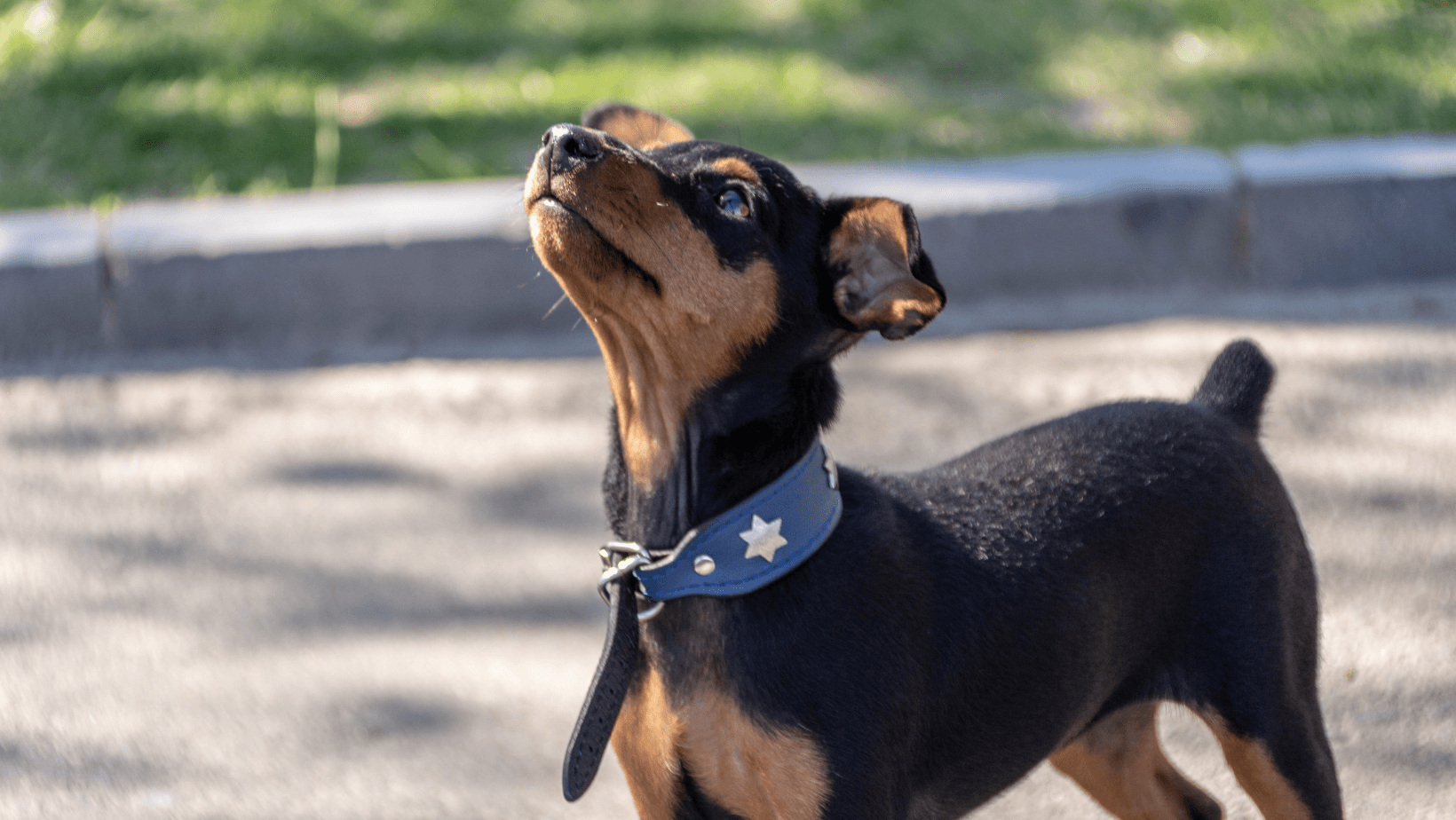
There’s no specific age recommended for this, but when they’re young (under 4 months), keep a close eye on them while wearing the collar to ensure they don’t get stuck while playing. A breakaway collar (like a cat collar) might be the best option at this age to prevent injury.
What is the Best First Collar for a Puppy?
When you begin teaching your dog how to walk on a leash, it’s super important to use safe and comfortable equipment to ensure both you and your dog enjoy the experience. Teaching leash manners can be tricky since puppies usually want to explore quickly.
The RSPCA suggests using a method called ‘loose leash walking’. Here’s how it works: when your dog walks without pulling on the leash, keep going and reward them for this good behaviour. But if they start pulling, stop and stand still. This teaches the dog that pulling doesn’t get them where they want to go.
By not pulling (keeping the leash ‘loose’), the dog learns they can keep moving forward, which they find rewarding. It’s important to reward often with something your dog really likes, such as a tasty treat, to reinforce the correct behaviour. This helps your dog learn faster and makes walks more enjoyable for both of you.
If your dog keeps pulling even after trying ‘loose-leash walking’ with a suitable collar and leash, you may need to seek further guidance on training methods or consider consulting a professional dog trainer for assistance [1].
Want to train your dog easily or just give a treat to praise them? Give them a taste of joy with Pet ‘n Shape Chik ‘n Skewers—a chicken-wrapped rawhide dog chew that’s all-natural and grain-free. These delicious treats, designed for puppies, adults, and seniors of all breeds, bring more than just flavour. Crafted from natural chicken breast filets and cowhide, they offer a satisfyingly crunchy and chewy snack. Free from artificial additives and conveniently packed for freshness, these Chik ‘n Skewers ensure guilt-free indulgence. Find it on Amazon now.
What Sort of Lead Should I use?
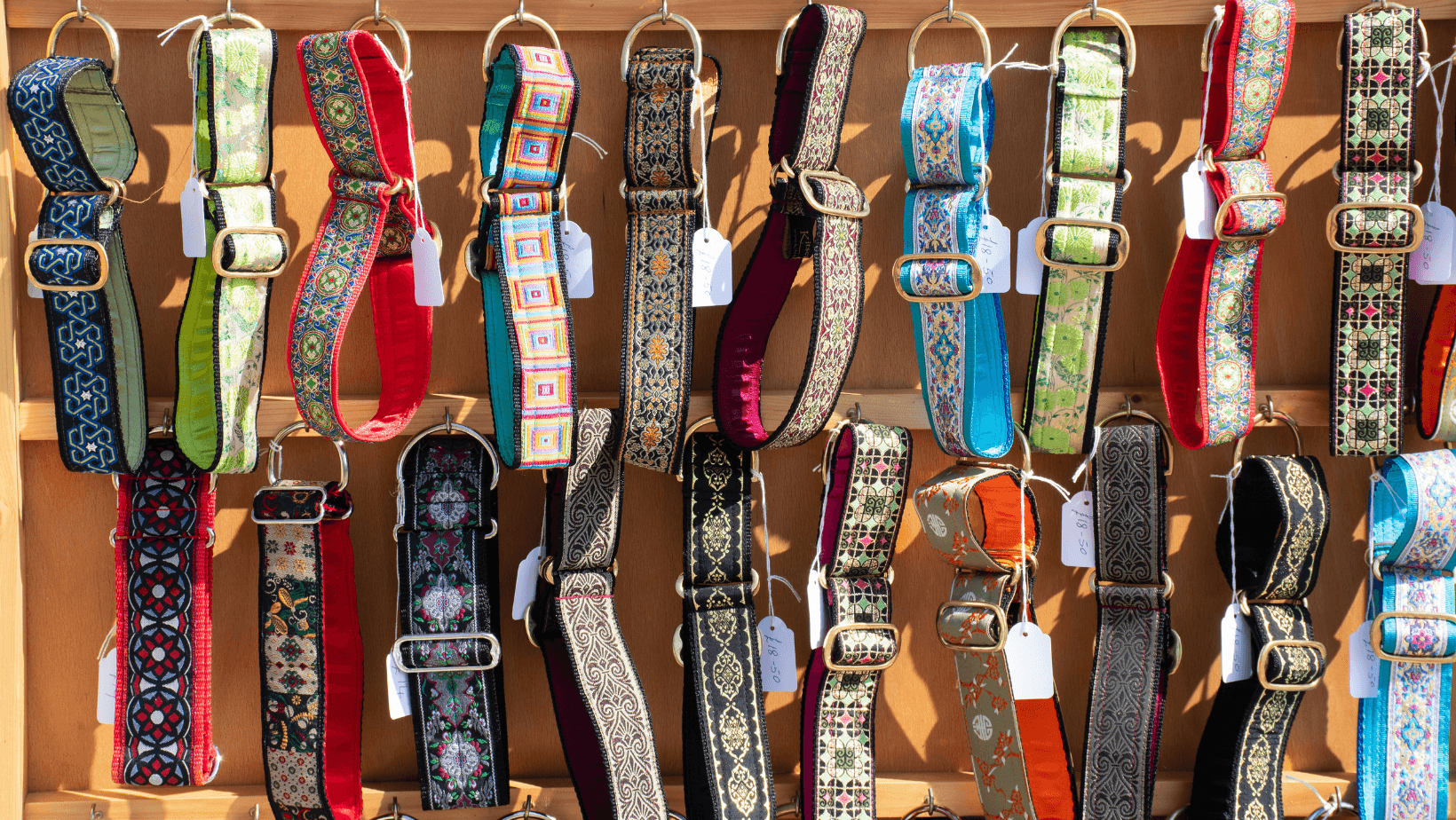
Next, you’ll want to pick out a leash that suits your dog and is comfortable for both of you. It’s really important that the leash is in good condition and the right size for your dog. Thick leashes with large clips are good for big dogs, but can be too heavy for small dogs, as they may strain their neck and spine.
Leashes should be long enough to give your dog some space to walk comfortably, but they should also be within a safe distance from you (around 2 meters long). Using too short a short leash can encourage pulling by making your dog feel restricted.
It’s important to avoid using extendable, retractable, or bungee leashes when first training your puppy or dog because they offer less control. They also put your dog at risk of getting too close to dangers like traffic, or getting tangled, plus, if they suddenly pull or reach the end of one of these leashes, they might get a sudden jerk that could hurt their neck. These leashes also tend to encourage pulling behaviour [1].
What Collar is Best For my Adult Dog?
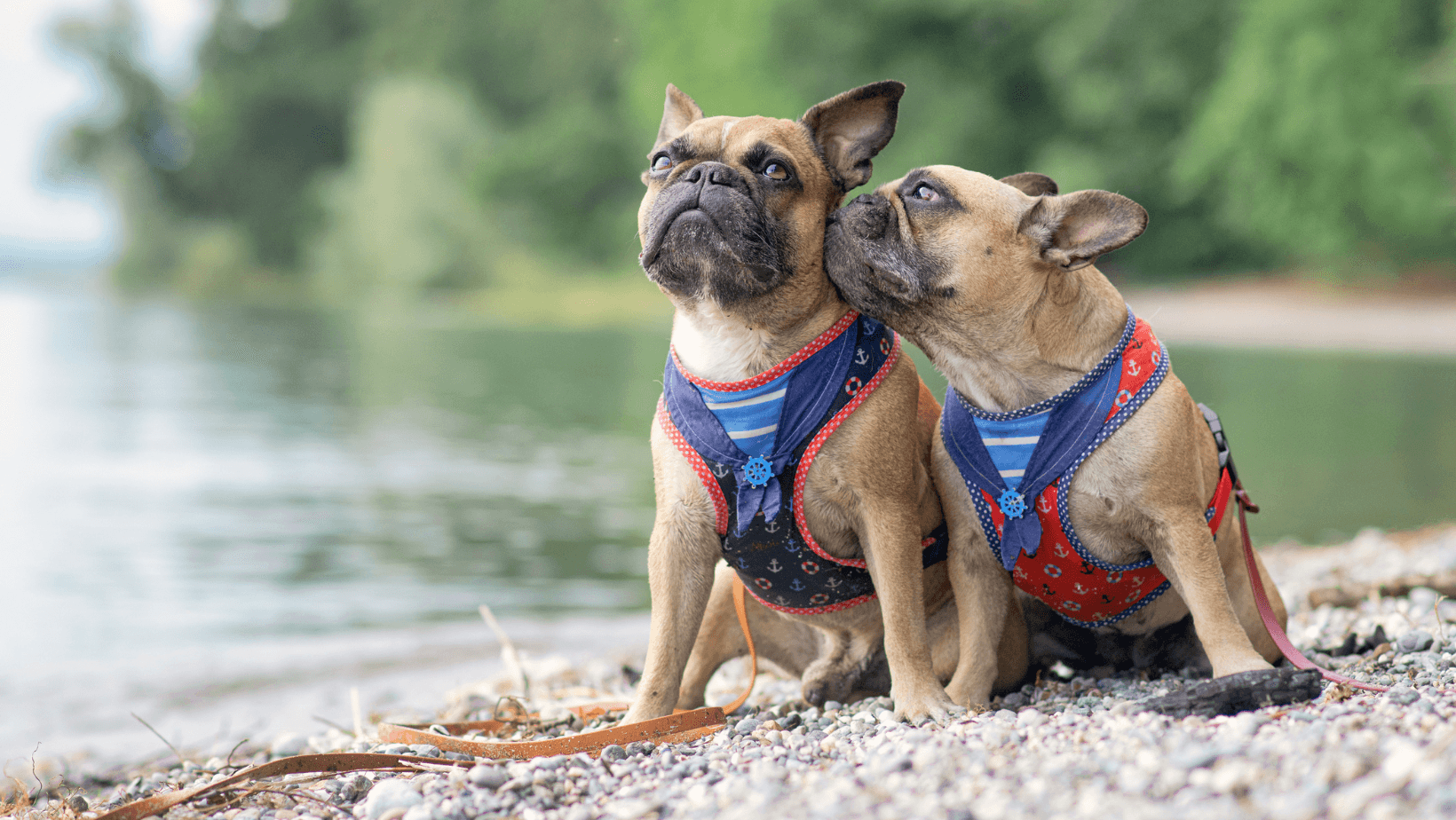
When it comes to choosing a collar for walking your dog, it’s important to consider their specific needs, especially if they have a broad neck or easily collapsible trachea. Breeds like pugs, short-nosed dogs, and toy breeds fall into this category. For these dogs, buckle collars may not be the best choice as they can put pressure on the neck and exacerbate any existing respiratory issues.
It’s crucial to avoid using choke or prong collars as they rely on punishment rather than positive reinforcement. These collars can cause discomfort and distress to your dog, potentially leading to behavioural issues and damage to their physical well-being. Instead, opt for collars that prioritise your dog’s comfort and safety while promoting positive training techniques.
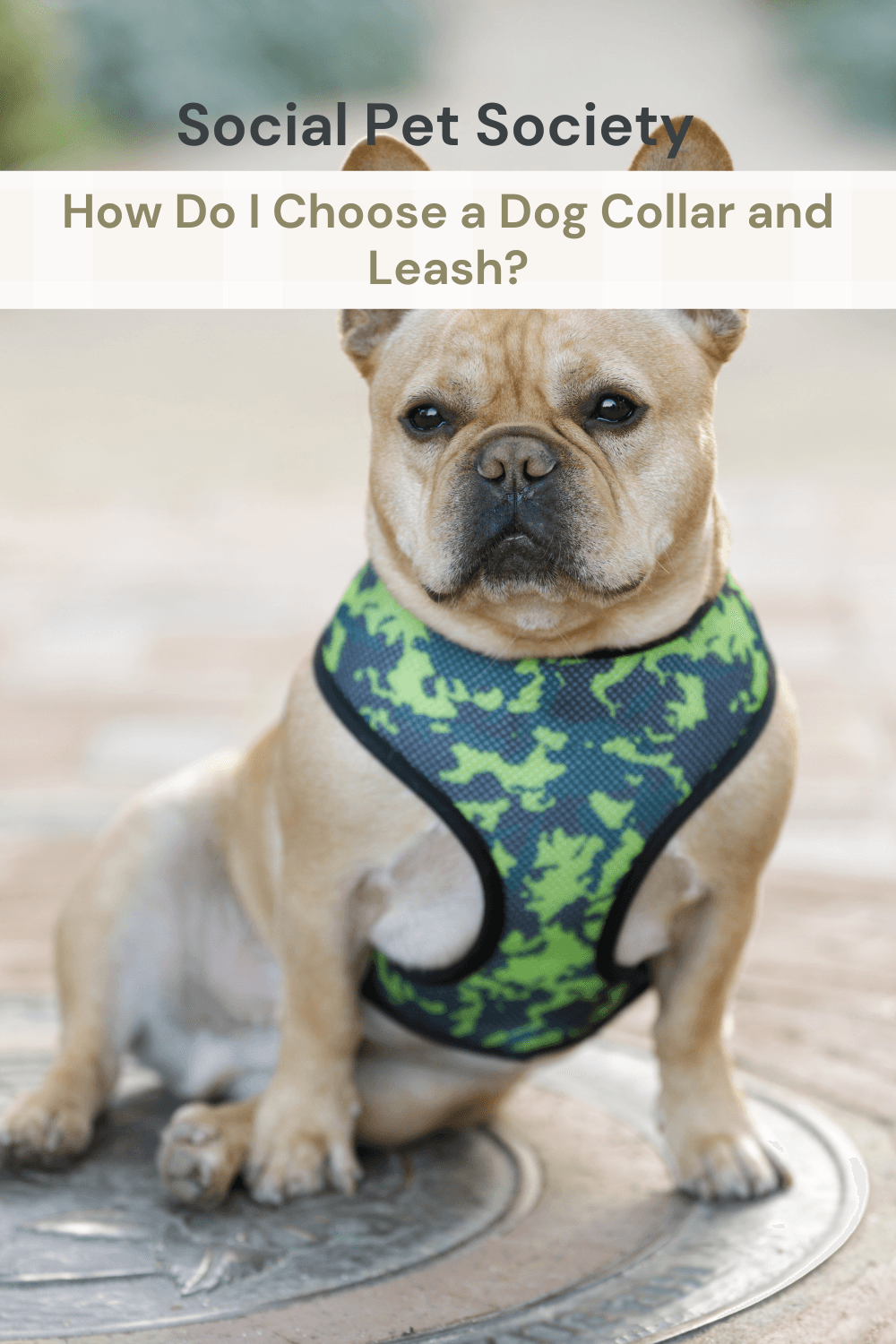
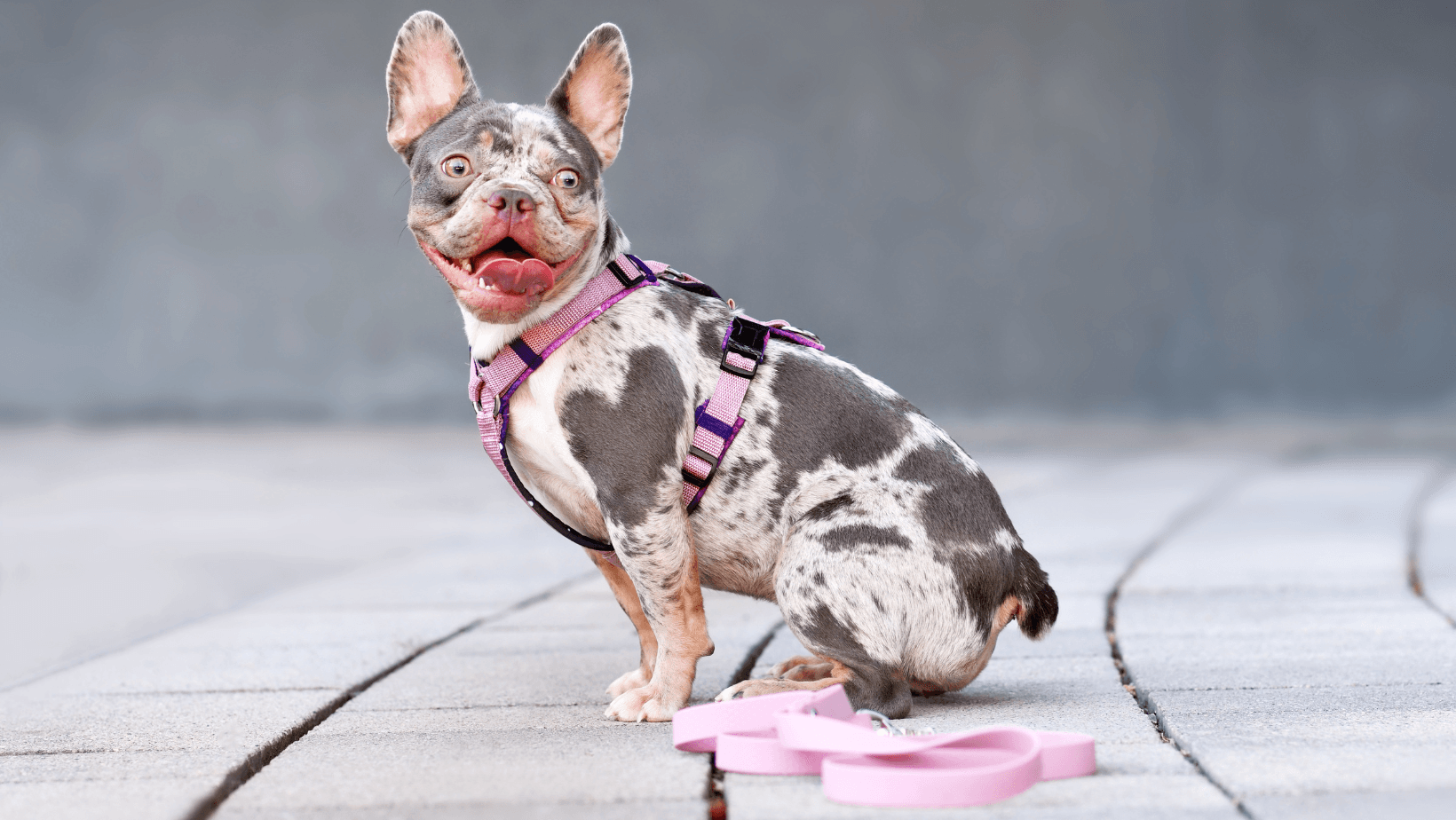
Consider exploring alternative collar options such as harnesses, which distribute pressure more evenly and reduce the risk of injury. Harnesses are particularly good for dogs prone to respiratory problems as they don’t put pressure on the neck.
Really, the goal is to choose a collar that aligns with your dog’s unique needs and promotes a positive walking experience for both of you. By prioritising your dog’s comfort and well-being, you can ensure enjoyable and stress-free walks while building a strong bond based on trust and positive reinforcement.
Is it Better to Leash Train a Dog with a Collar or Harness?
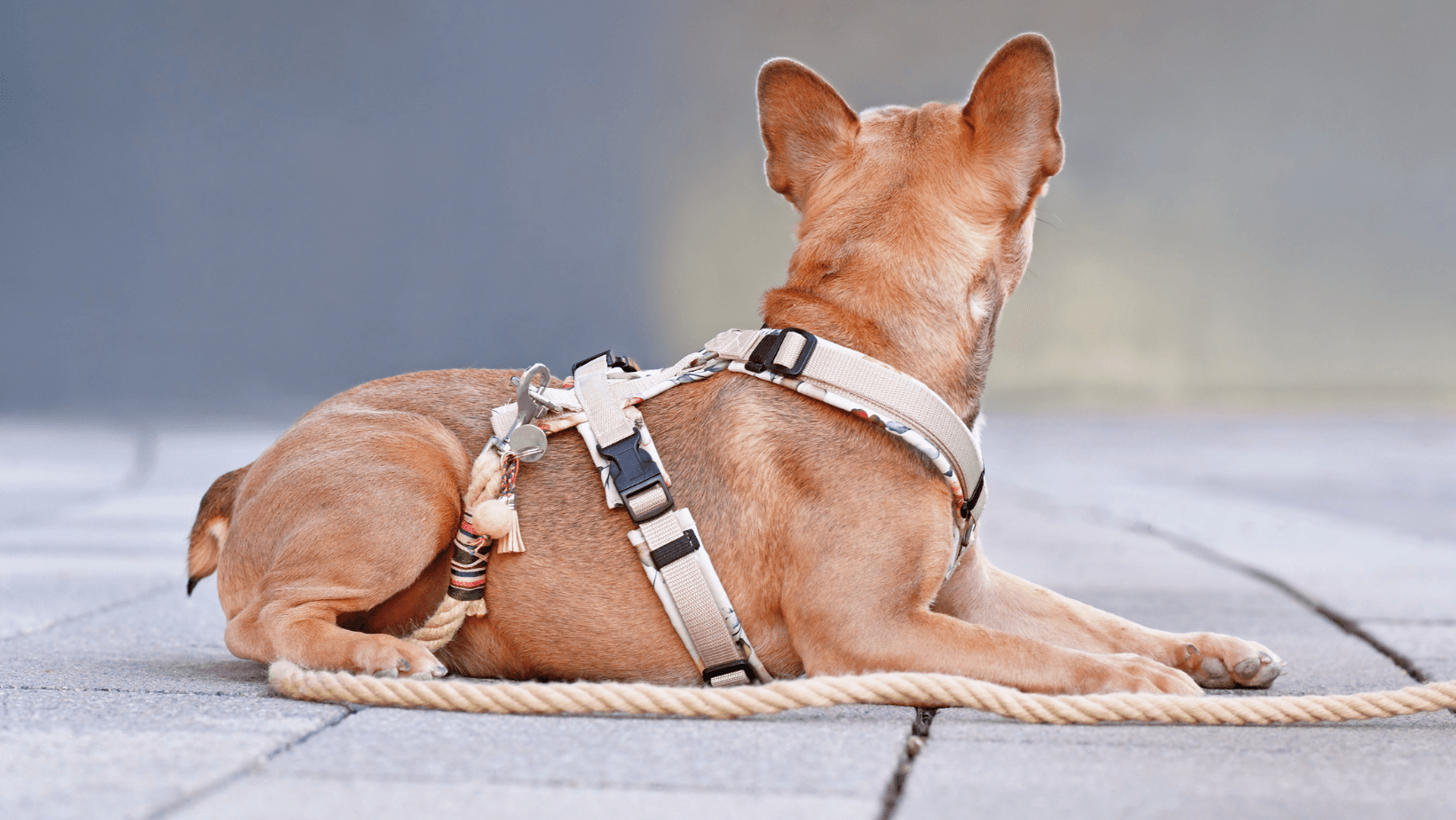
To begin, it’s essential to choose a collar or harness that fits your dog comfortably and is in good condition. Properly adjusting the collar or harness ensures it’s snug but not too tight, allowing your dog to move comfortably.
Harnesses are particularly beneficial for walking and training as they distribute pressure more evenly across your dog’s body, reducing the risk of neck strain or injury, especially for breeds with broader necks or heads like greyhounds or whippets. Additionally, harnesses are suitable for dogs prone to slipping out of collars.
For dogs that pull strongly on the leash, a front-attach harness can be a great choice. This type of harness gently discourages pulling and can be fitted easily.
When using a front-attach harness, you can go an extra step and pair it with a double-ended leash for optimal control. A double-ended leash allows one end to be attached to the front of the harness and the other to the back or a regular neck collar. This setup enables you to guide your dog from the back attachment while using the front attachment for steering if they begin to pull [1].
Say goodbye to pulling frustrations and hello to enjoyable walks with the PetSafe Easy Walk Dog Harness the ultimate solution to curb pulling during walks. Vet and trainer recommended, it offers effortless control over light to moderate pulling, ensuring a comfortable and safe experience for your dog. With quick and easy fitting and a front clip chest D-ring for added control, enjoy stress-free walks every time. Plus, it has a one-year chew damage replacement guarantee.
Should Dogs Wear Collars at Home?
When you bring home a new dog, getting the right collar is one of the first things you’ll think about. But with so many options out there, it can be tricky to choose.
Collars are important because they help identify your dog. Even though all dogs should have a microchip, a collar with an ID tag makes it easy for people to contact you if your dog gets lost. Plus, it’s handy for getting your dog used to having something on their body, ready for when you want to start teaching them to walk on a leash.
Since your dog should wear their collar all the time when there is the potential they can get our or become lost, it has to be comfy and safe (you can take it off if your dog sleeps inside with you at night). The best choice for day to day wear once they are used to a collar is a basic flat collar that you can adjust easily with a snap buckle. Look for one with a metal ring for attaching tags and leashes. It’s better to go for a single-layer collar because studies show that padded collars might put too much pressure on the neck [2].
Best Collar for Pulling Dog?
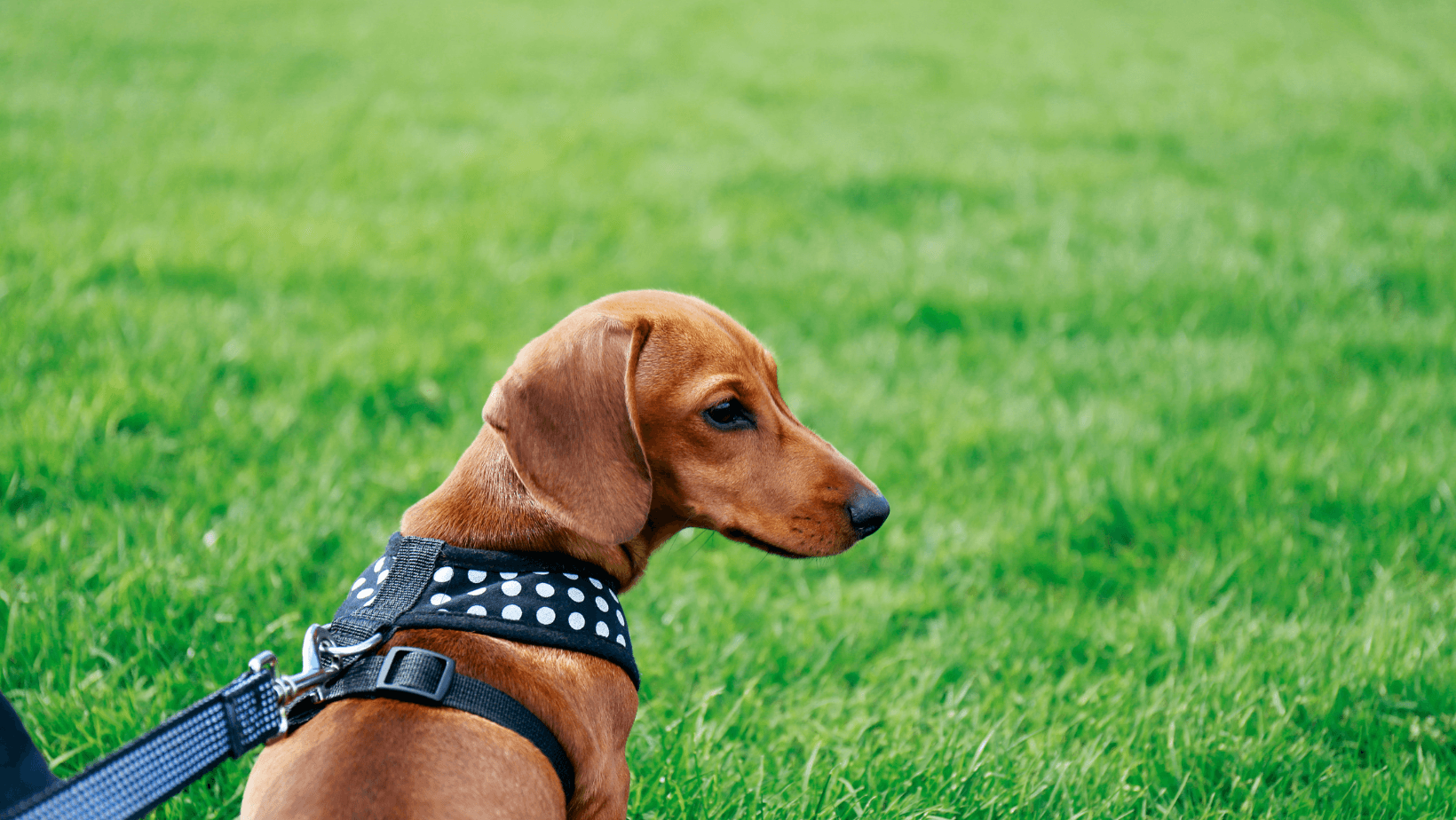
Collars can hurt your dog, even if they’re put on correctly, particularly when your dog pulls on the leash. Pulling can cause injuries in their neck area, like ‘whiplash’ or nerve damage, and it can even affect their breathing or eyes. A recent study found that no type of collar can fully prevent these injuries when a dog pulls on the leash. That’s why the best thing for a pulling dog is a ‘front-attaching harness’.
Training your dog to walk without pulling is safest when using this type of harness because they spread any pressure across the dog’s whole body, which is safer than putting all of the strain on their neck. This reduces the risk of injuries and helps prevent coughing or choking. It also becomes harder for dogs to slip out and escape.
For dogs that are already trained not to pull, you can use a different type of harness that fits on their back. Just make sure whatever you do use fits your dog properly and doesn’t restrict their movement. And its super important to take off the harness when your dog is playing or safe at home [2].
How to Fit a Collar?
When selecting a collar for your puppy, a handy guideline is ensuring you can comfortably slip two fingers underneath it. Puppies grow rapidly, so it’s essential to monitor their collar fit frequently, especially if it’s worn constantly, unlike a harness, which adjusts more easily as they grow. For medium or large breed puppies, starting with a small collar or harness and upgrading as they mature is advisable.
Observing your dog’s behaviour is crucial; they should never appear distressed or scratch at their collar. A tight collar poses the risk of choking, particularly when the dog is unsupervised outdoors. Additionally, it can lead to skin irritation, hair loss, or infections. Loose collars aren’t safe either; they can entrap body parts, resulting in injuries, or lead to accidents such as strangulation if snagged on objects.
It’s worth noting that numerous sources advise against using check chains or pronged/pinch collars due to their potential harm to dogs, including neck damage [1].
Conclusion
In summary, finding the right collar and leash for your dog is super important. Based on my experience with my two pups, I’ve learned it’s all about picking what suits each dog best. My older dog does great with a regular collar, but my new, energetic pup might do better with a harness to keep her safe and happy on walks. Despite all the advice out there, the main thing is to make sure whatever you choose puts your dog’s comfort and safety first. Whether it’s a harness to spread the pressure evenly or avoiding harsh collars, the goal is to make walks enjoyable and safe for both of you. Just remember, when it comes to your furry friend, their well-being should always come first when picking out their gear.
Talitha Mulder
Certificate II in Animal Studies | Bachelor of Nursing Science
Related articles

Pet-Friendly Business Growth
Ultimate Guide to Starting a Pet Sitting Business in Australia: Steps and Tips
Starting a pet sitting business in Australia isn’t hard. Starting one that actually makes consistent money is. Most people begin with a simple idea: “I love animals, I’ll get paid to look after them.” But love alone doesn’t create demand – value does. From running my own service-based business,…
· Talitha Mulder
Pet-Friendly Hotels Ayr QLD – 2025 Verified Guide
Looking for pet-friendly hotels in Ayr QLD? Check our 2025 guide with verified pet policies, hotel contacts, and tips for staying with your dog.
· Talitha Mulder

How Brisbane Dog Owners Socialise Their Pets – Survey Insights
A community survey reveals how Brisbane dog owners socialise their pets, from off-leash parks and outdoor adventures to dog-friendly cafes and beaches. Whether you’re new to the city or a local, get insights into Brisbane’s dog-friendly lifestyle and best practices for keeping your furry friends…
· Talitha Mulder