
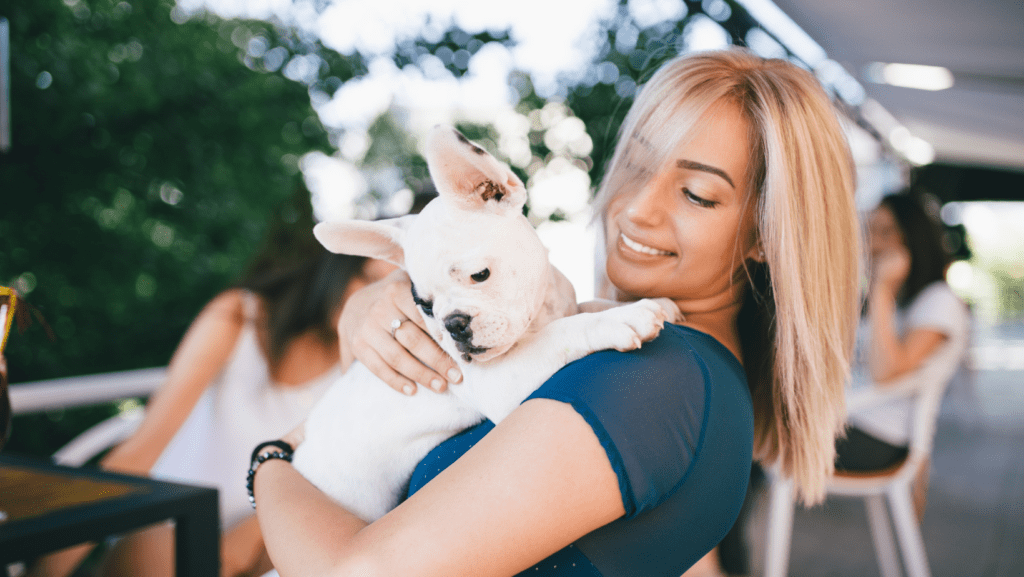
If you own a café and you want to become pet friendly, or maybe you already are, you’re probably curious about what the risks are to your business, and how to reduce them. Often times, it takes valuable time you don’t have to intensively search the internet for all of the rules and regulations that apply to your business.
Being fully aware of the laws surrounding pets in food businesses, ensures you are able to operate confidently and proudly as a pet friendly business.
In this Article we will Cover:

Disclosure: This article includes affiliate links. If you click on these links and make a purchase, I receive a small commission. This comes at no extra cost to you but greatly supports the maintenance of this site. Learn more here.
When starting a pet-friendly café, the first thing you probably thought about was the atmosphere you wanted to create. The atmosphere of happy customers sitting alongside their pooches, enjoying a coffee.
You probably didn’t think about what policies you wanted to create, and how to be compliant with Australian food standards. But, if you have a vision of your business being pet-friendly, below you will find everything you need to know to draw up some great policies and get started as a reputable pet-friendly establishment!
“By failing to plan, you are planning to fail.” – Benjamin Franklin.
Want to save time and ensure you are meeting the requirements of The Australia New Zealand Food Standards Code?
Importance of Pet-friendly Policies
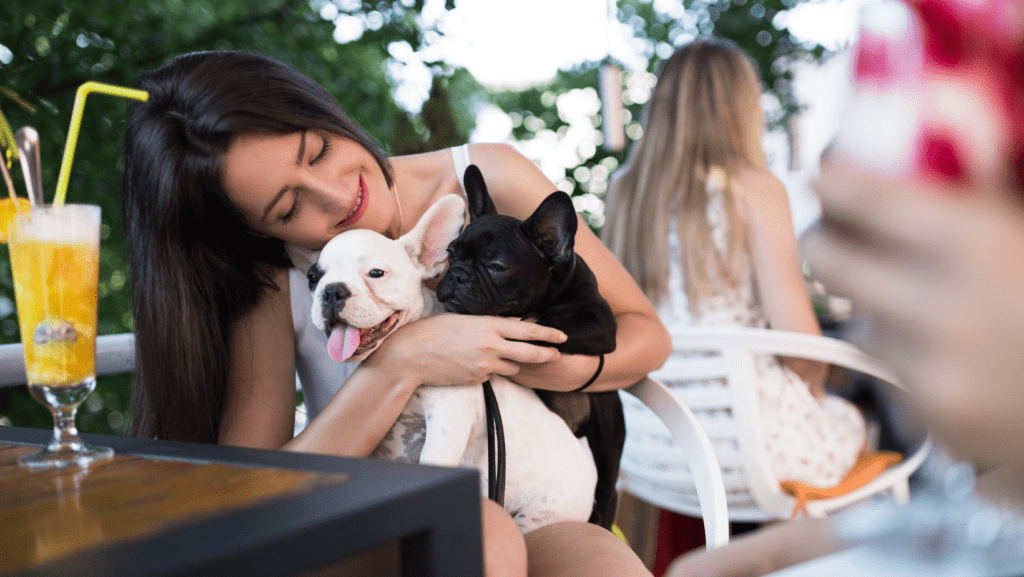
Health and Safety Regulations
The most important reason to have pet-friendly policies in place is to make sure that your café complies with relevant health and safety regulations (mainly, the Australia New Zealand Food Standards Code).
Your policies help prevent potential health hazards and ensure a safe dining environment for everyone.
They outline where pets are allowed (e.g. outside and under certain conditions only) and what type of pets are allowed (e.g. dogs only).
Allergy Management
Some customers may have allergies to pet dander or fur. So implementing policies that specify things like separate areas for pets helps reduce this risk.
Behavioural Expectations
Your policies should include behavioural expectations for pets, including leashing requirements, noise control, and waste management. Clear guidelines around this can prevent disruptions and help maintain the atmosphere, which is crucial for a successful pet-friendly café!
Liability Protection
Having clear policies and procedures helps protect you and your business from potential liability issues related to pet-related incidents.
In case of audits or when issues arise, it needs to be evident that you acted in everyone’s best interest and made reasonable attempts to prevent incidents.
For example, by outlining owner responsibilities (such as ensuring their pets are well-behaved and under control at all times on a leash), you can manage the risk of accidents or injuries.
Employee Training and Awareness
Training employees to understand fully the rules and be able to enforce pet-friendly policies is crucial. Proper training means that you and your staff members can address any issues that arise in a professional and courteous manner, with confidence.
Customer Expectations
Pet-friendly policies not only establish clear rules for pet owners but they also manage the expectations of non-pet owners about acceptable behaviour. This transparency of how your café operates helps prevent misunderstandings and conflicts between customers, which supports the positive atmosphere you aim to provide.
For example you could have a small card on outdoor tables that say, “We are pet-friendly, that means that some customers may dine outside with their dog, if you would like to dine in a pet free area, please let our friendly staff know!”
Guidelines for Pet Owners
Okay, so you understand why the policies are necessary, but what specific guidelines are important for your customers to know? What should you outline to them?
Here are some key guidelines that you can provide pet owners entering your pet-friendly café (written as if the pet owner is reading your guidelines):
1. Leash Requirements
- Ensure that your pet is on a leash at all times unless otherwise specified.
- This rule helps prevent accidents and ensures the safety of both your pet and other patrons. It’s important to read and adhere to this rule to maintain a secure environment for everyone.
2. Behaviour Expectations
- Be mindful of your pet’s behaviour and ensure they are well-behaved at all times.
- This includes not jumping on other patrons, not barking excessively, and not disturbing other pets or people.
- Adhering to behaviour expectations helps create a peaceful atmosphere in the café and ensures a pleasant experience for all customers.
3. Clean-up Responsibilities
- Always clean up after your pet, including disposing of waste properly.
- We have provided a designated area and waste disposal station for this purpose.
- Adhering to clean-up responsibilities helps maintain hygiene and cleanliness in the café, ensuring a pleasant environment for everyone.
4. Respect Other Patrons
- Be respectful of other patrons’ space and comfort levels.
- Some people may not be comfortable around pets or may have allergies, so it’s important to be mindful of their needs.
- Adhering to rules regarding pet interactions with other patrons helps create a welcoming and inclusive atmosphere for all customers.
5. Follow Café Signage
- Read and adhere to any additional café policies regarding pets, such as designated pet-friendly areas or time restrictions.
- These policies are in place to ensure the safety and comfort of all patrons and should be respected accordingly.
I can’t emphasise enough the importance of pet owners knowing their responsibilities to contribute to a positive experience for everyone.
Dog Behaviour Expectations
As I mentioned at the start of this article, policies should focus on behavior expectations. This is important for staff to identify when they may need to ask a customer and their dog to leave, respectfully of course!
So while the owner needs to follow some guidelines as listed above, your staff should only allow dogs that have good behaviour. Here are behaviour expectations for pets within café premises and why it’s important for them to be well-behaved and non-disruptive:
Quiet and Calm Behaviour
Pets should be quiet and calm while inside the café premises. Excessive barking, whining, or other disruptive behaviours can disturb other patrons and disrupt the peaceful ambiance of the café.
Respect for Space
Pets should respect the personal space of other patrons and not intrude upon their tables or belongings. This includes not jumping on furniture or approaching other patrons without invitation.
Leash Etiquette
Pets should be kept on a leash at all times unless in designated off-leash areas. This helps ensure the safety of both the pet and other patrons and prevents any unwanted interactions or accidents.
Cleanliness and Hygiene
Pets should be clean and well-groomed before entering the café premises. Pet owners should also ensure that their pets do not leave behind any messes, such as shedding fur or accidents, and promptly clean up any waste.
Socialisation Skills
Pets should be well-socialised and comfortable around other animals and people. Aggressive or overly boisterous behaviour towards other pets or patrons is not acceptable and can create a hostile environment within the café.
Handling Aggressive Behaviour
In the event that a pet exhibits aggressive behaviour towards other pets or patrons, it’s important for pet owners to intervene immediately. This may involve removing the pet from the café premises or calming them down until they can behave appropriately.
Responsible Ownership
Ultimately, pet owners are responsible for their pets’ behaviour while inside the café premises. It’s important for pet owners to be attentive to their pets’ needs and behaviour and to take appropriate action to ensure that they are not disrupting the experience of other patrons.
Enforcing Rules
When you want to maintain a high level of service and quality in your café, it’s really important to have high expectations regarding pet behaviour of customers. Here’s how you and your café staff can enforce guidelines and some reasonable consequences for non-compliance:
Clear Communication
Café staff should clearly communicate the pet-friendly guidelines to patrons upon entry or display them prominently within the café premises. This ensures that patrons are aware of the expectations regarding pet behaviour.
Observation and Monitoring
Staff members should actively monitor the behaviour of pets within the café premises to ensure compliance with guidelines. This may involve periodically checking in with pet owners and observing interactions between pets and other patrons.
Intervention
If a pet is observed behaving inappropriately or not adhering to guidelines, café staff have the authority to intervene. This may include reminding the pet owner of the guidelines, requesting that they address the behaviour, or asking them to leave the premises if necessary.
Escalation
In cases where a pet owner refuses to comply with guidelines or their pet’s behaviour poses a threat to the safety or comfort of other patrons, café staff may escalate the situation by involving a manager or other senior staff member.
Consequences for Non-Compliance
- Verbal Warning: In most cases, café staff will start by issuing a verbal warning to the pet owner, reminding them of the guidelines and requesting that they address any issues with their pet’s behaviour.
- Written Warning: If the non-compliant behaviour persists or escalates after a verbal warning, café staff may issue a written warning to the pet owner. This formalises the issue and may outline specific actions that the pet owner must take to rectify the situation.
- Temporary Suspension: In cases of repeated non-compliance or severe breaches of pet-friendly guidelines, café staff may temporarily suspend the pet owner’s privileges to bring their pet to the café. This may involve asking the pet owner to leave the premises for a specified period or until they can demonstrate compliance with guidelines.
- Permanent Ban: As a last resort, café staff may impose a permanent ban on a pet owner from bringing their pet to the café premises. This decision is typically made in response to severe or repeated violations of pet-friendly guidelines and is intended to ensure the safety and comfort of all patrons.
What to do if there is an Incident
If a patron witnesses or experiences an incident involving a pet, they should immediately notify café staff. The following is what makes up an incident report procedure:
Follow Café Policy
Have those involved in the incident to follow any specific incident reporting procedures outlined by your café, such as filling out an incident report form or speaking directly with you or a designated manager.
Assessment
Upon receiving a report of an incident, café staff should promptly assess the situation to determine the appropriate course of action.
Intervention
If the incident is ongoing or poses an immediate threat to patrons or staff, café staff should intervene to ensure the safety of everyone involved. This may involve separating pets, calming them down, or asking the pet owner to remove their pet from the premises if necessary.
Documentation
Café staff should document the incident by recording details such as the nature of the incident, parties involved, and any actions taken to address the situation. This documentation can be used for future reference or follow-up if needed.
Communication
Café staff should communicate with both the pet owner and any affected patrons to address concerns, provide assistance if necessary, and ensure that everyone feels heard and supported.
Your café staff should enforce pet-friendly policies consistently and fairly to maintain a safe and welcoming environment for all patrons. If repeated incidents occur with the same pet or owner, staff may need to take further action, such as revoking pet privileges or asking the patron to leave the premises.
When you have clear procedures for reporting incidents involving pets and making it clear to your staff how to manage those incidents, you can effectively address any issues that arise while maintaining a positive experience in your café.
Reporting Incidents
Creating the Document
As well as policies you should create procedures for reporting incidents, and ideally have incident report forms ready to go. This is what they should include, so café staff can manage such incidents:
Detailed Description
Provide a detailed description of the incident, including the pet involved, the nature of the incident (e.g., aggression, disruption), and any parties affected.
Supporting Documents
If possible, document the incident with photographs or videos, especially if it involves damage to property or injuries.
Contact Information
Provide contact information in case further clarification or follow-up is needed.
Follow-Up
After managing the incident, café staff should follow up with any affected parties to ensure that they are satisfied with the resolution and address any lingering concerns or issues.
Importance of Documenting Incidents
Record Keeping
Documenting incidents involving pets provides a record of what occurred, including details such as the nature of the incident, parties involved, and actions taken by staff to address the situation. This information can be valuable for reference and review purposes.
Identifying Patterns
Incident documentation allows café management to identify patterns or trends related to pet behaviour. By reviewing incident reports over time, management can identify common issues, areas for improvement, and opportunities to update or refine pet-friendly policies.
Training and Education
Incident documentation can be used as a training tool for staff members. By reviewing past incidents and discussing how they were handled, staff can learn from previous experiences and improve their ability to manage similar situations in the future.
Policy Evaluation
Incident documentation provides valuable data for evaluating the effectiveness of pet-friendly policies. Management can assess the frequency and severity of incidents, identify areas where guidelines may need to be strengthened or clarified, and make informed decisions about policy updates or revisions.
Legal Protection
In the event of disputes or legal issues related to pet behaviour, incident documentation serves as a record of the cafe’s efforts to address the situation in accordance with pet-friendly guidelines. This documentation can provide legal protection and support the cafe’s position in any potential litigation.
Why it's Important to Educate your Staff
Consistent Implementation
Staff familiarity with pet-friendly guidelines ensures consistent implementation of rules and regulations. When all staff members understand the expectations regarding pet behaviour, they can effectively enforce these guidelines and maintain a harmonious environment for all patrons.
Customer Satisfaction
Patrons expect a consistent experience when visiting a pet-friendly café. Staff members who are knowledgeable about pet-friendly policies can address concerns or questions from patrons confidently, enhancing customer satisfaction and loyalty.
Conflict Resolution
In situations where pet behaviour needs to be addressed, staff members who are familiar with pet-friendly guidelines can intervene promptly and effectively. This can help prevent conflicts between patrons and ensure that issues are resolved efficiently and professionally.
Risk Mitigation
Staff familiarity with guidelines helps mitigate potential risks associated with pets in the café. By proactively monitoring pet behaviour and enforcing rules, staff can prevent accidents, injuries, or disruptions that may occur due to non-compliance with guidelines.
Conclusion
As we wrap up, I’d really love to hear from pet-friendly business owners like you. What are your thoughts on the importance of these policies? Do you have any additional insights or experiences to share?


