
Cane toads and dogs, signs of poisoning and what to do
Cane toads can poison a dog in minutes. Learn the signs of cane toad poisoning, the wipe, rinse and ring first aid steps, and how we keep toads out of our Townsville backyard.
Jump to Quick GuideBy Talitha MulderPublished 5 min read
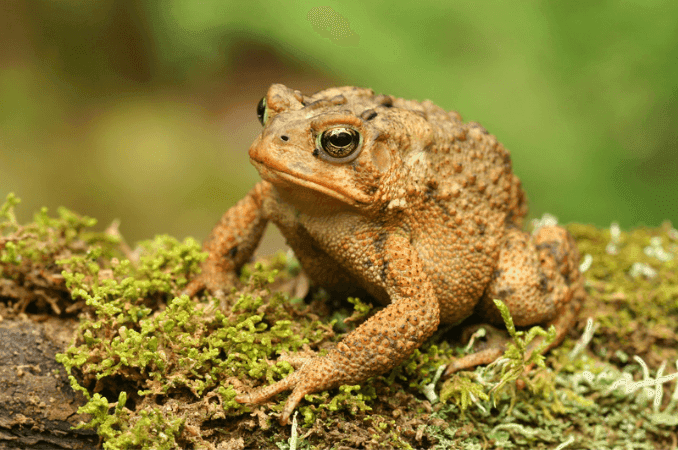
Every wet season, the cane toads come out in our backyard. With two curious dogs and a house full of kids, I know how fast a sniff can turn into a lick.
In our backyard, the toads come for the water. We keep chickens, and on warm wet nights the toads sit right in the chooks' water dish like it is their own little pool. Our dogs think a hopping toad is the best toy ever invented. So every night, before the last toilet trip, I do a torch walk around the yard first.
I also work as a nurse, so first aid is second nature to me. But I still had to look up the right steps for a dog. Wiping a dog's mouth is very different to helping a person, and doing it the wrong way can make things worse.
This is one post I hope you never need. Read it now, so you know what to do if it happens.
Why are cane toads so dangerous to dogs?
Cane toads have glands on their necks and shoulders. These glands ooze a poison called bufotoxin. It is poisonous to dogs, cats and most native animals. Even their tadpoles are toxic.
When a dog bites or licks a toad, the poison sticks to their gums and tongue. RSPCA Queensland says an adult cane toad has enough toxin to kill an average sized dog in 15 minutes.
Puppies are at the highest risk. They love to chase anything that hops. Cats get poisoned much less often than dogs.
Cane toads are not native to Australia. They were brought to Queensland's cane fields in 1935 to eat cane beetles. They didn't fix the beetle problem, and they have spread across the north ever since. They are most active on warm, wet nights, which is why the wet season is the danger time in Townsville.
What are the signs of cane toad poisoning in dogs?
Signs can start within minutes. Watch for these, even if you did not see a toad.
Early signs:
- Lots of drool, or foam around the mouth
- Very red, slimy gums
- Pawing or rubbing at the mouth
- Vomiting
- Acting confused or wobbly
Serious signs (go to the vet now):
- Shaking or stiff legs
- Fits (seizures)
- A very fast or uneven heartbeat
- Trouble breathing
- Collapsing
What should I do if my dog licks a cane toad?
Act fast. Every minute counts.
- Move your dog away from the toad. Get kids and other pets away too.
- Grab a wet cloth or towel. A face washer or paper towel works.
- Tilt your dog's head down. This stops water running down their throat.
- Wipe the gums, tongue and roof of the mouth. Wipe the outside of the mouth too.
- Rinse the cloth after every wipe. The poison is sticky. A dirty cloth just puts it back.
- Keep going for at least 10 minutes. Greencross Vets suggests 10 to 15 minutes.
- Ring your vet. Tell them your dog has mouthed a cane toad. Keep an eye on your dog for a few hours, even if they seem fine.
Do not spray a hose into your dog's mouth or force water down their throat. They could breathe the water into their lungs.
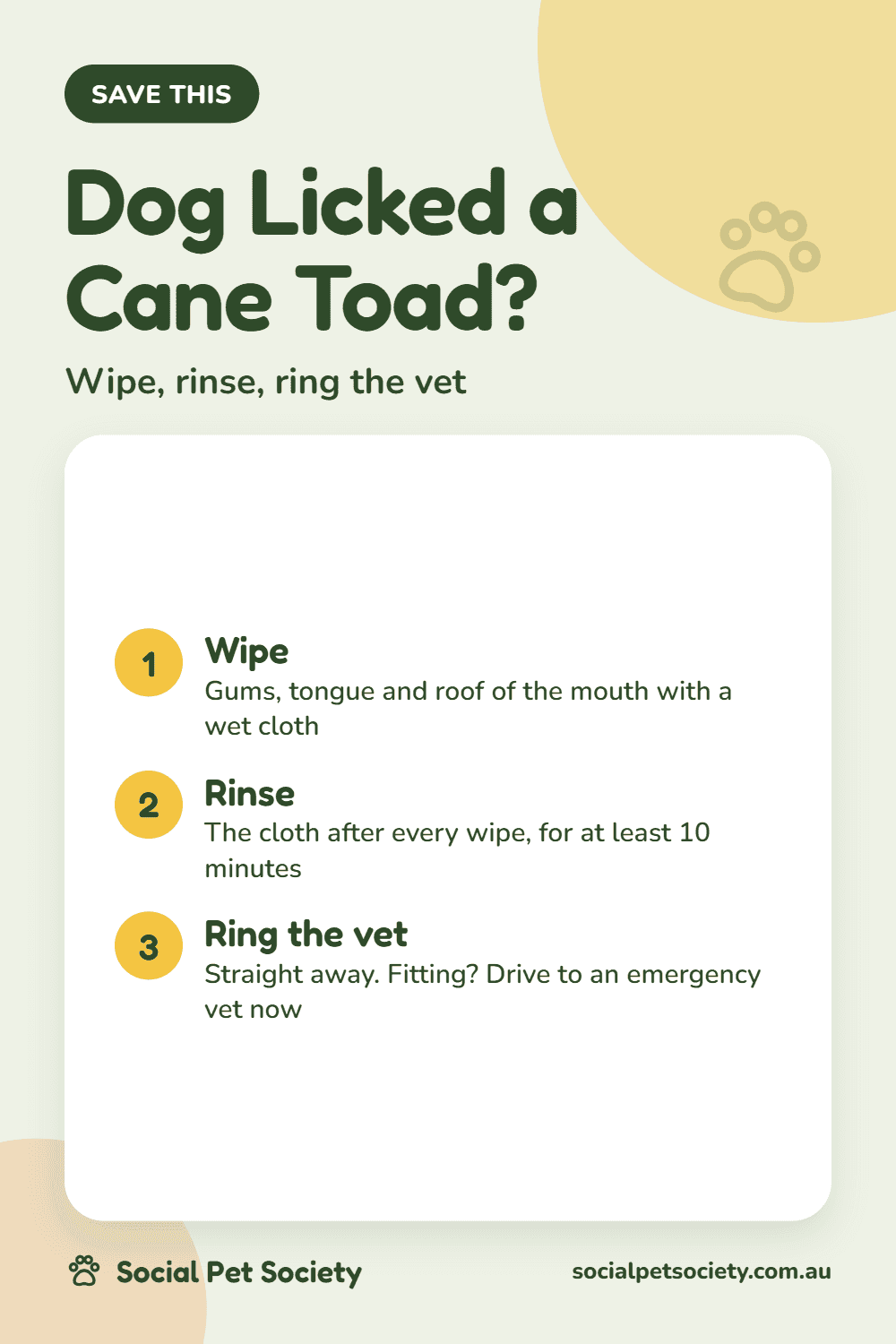
If your dog is having a fit or has passed out, do not try to wipe their mouth. Drive straight to the nearest emergency vet and call them on the way.
What will the vet do?
In mild cases, good first aid at home may be all your dog needs. In serious cases, the vet may give a drip, medicine to stop fits, and oxygen. They may also do blood tests to check for damage.
Save your vet's number and your nearest emergency vet's number in your phone now. In Townsville, JCU Vet in Douglas runs a 24/7 emergency and critical care hospital. Its main number is 1300 528 838. Ring on the way so they are ready for you. See our full list of vets in Townsville for more options.
How do I keep cane toads out of my yard?
You can't stop every toad. But you can make your yard less inviting.
- Bring water and food bowls inside at night. Toads love to sit in pet water bowls.
- Turn off outside lights you don't need. Lights bring in bugs, and bugs bring in toads.
- Check the yard with a torch before you let the dogs out at night.
- Keep dogs on a lead at dusk. That is when toads start moving.
- Fill in gaps under fences and gates.
What we do at our place: The chickens' water goes up on a stand at night, out of toad reach. The dogs' water bowl comes inside after dinner. And nobody goes out to the yard after dark until the torch check is done. It takes two minutes and gives me real peace of mind.
How do I get rid of a cane toad humanely?
First, make sure it really is a cane toad and not a native frog. Then RSPCA Queensland suggests two humane ways.
- HopStop spray. This is made for cane toads. Follow the steps on the can.
- Cool, then freeze. Put the toad in a container in the fridge for 12 hours. Then move it to the freezer for 24 hours.
Wear rubber gloves if you have to touch a toad. Make sure it is dead before you put it in the wheelie bin, or bury it deep enough that your dog can't dig it up.
Our final tip
Teach your family the wipe, rinse and ring steps. Stick them on the fridge. In a toad emergency, the person who spots it first needs to know what to do.
Need a vet you can trust? Find vets near you in the Social Pet Society directory.
When to call your vet
Call your vet straight away if your dog has licked, bitten or mouthed a cane toad, even if they seem fine. Go to an emergency vet now, and call on the way, if your dog is shaking, stiff, having a fit, has a racing heartbeat, is struggling to breathe or has collapsed. In Townsville, JCU Vet runs a 24/7 emergency service on 1300 528 838.
Quick Guide: Cane toads and dogs, signs of poisoning and what to do
Cane toads can poison a dog in minutes. Learn the signs of cane toad poisoning, the wipe, rinse and ring first aid steps, and how we keep toads out of our Townsville backyard.
- Time
- 10 to 15 minutes of first aid, then call the vet
- Difficulty
- Easy. Anyone in the family can do it.
Checklist
- A wet cloth, face washer or paper towel
- A tap or bowl of water to rinse the cloth
- Your vet's phone number saved in your phone
- Your nearest 24/7 emergency vet's number
- A torch for checking the yard at night
- Car keys ready in case you need to drive
- A towel to wrap a small dog for the car
Steps
- Move your dog away from the toad, and keep kids and other pets back.
- Tilt your dog's head down so water can't run down their throat.
- Wipe the gums, tongue and roof of the mouth with a wet cloth.
- Rinse the cloth after every wipe, because the poison is sticky.
- Keep wiping for at least 10 minutes.
- Ring your vet straight away and tell them your dog mouthed a cane toad.
- Watch your dog closely for the next few hours, even if they seem fine.
- If your dog is having a fit or has collapsed, skip the wiping and drive straight to an emergency vet.
Frequently asked questions
How long does cane toad poisoning take to affect a dog?
Signs can start within minutes. RSPCA Queensland says an adult toad has enough poison to kill an average sized dog in 15 minutes, so act straight away.
What does cane toad poisoning look like in dogs?
Lots of drool or foam, very red and slimy gums, pawing at the mouth and vomiting. Serious signs are shaking, fits, a racing heartbeat and collapsing.
Should I wash my dog's mouth out with a hose?
No. Wipe the mouth with a wet cloth instead, with your dog's head tilted down. A hose can push water into their lungs.
Can cats get cane toad poisoning?
Yes, but it is much less common than in dogs. Use the same first aid and call your vet.
Are cane toad tadpoles poisonous?
Yes. Keep dogs away from ponds and puddles where toads breed.
This article is for general information only and isn’t a substitute for professional advice. The sources we used are listed below.
References
- Animal Emergency Service (n.d.) Cane toads and dogs. Available at: https://animalemergencyservice.com.au/blog/cane-toads-and-dogs/ (Accessed: 15 November 2026).
- Greencross Vets (n.d.) Cane toad poisoning in dogs: treatment and prevention. Available at: https://www.greencrossvets.com.au/pet-library/articles-of-interest/cane-toad-poisoning/ (Accessed: 15 November 2026).
- RSPCA Queensland (n.d.) Cane toads: an introduced menace. Available at: https://rspcaqld.org.au/blog/wildlife-conservation/cane-toads-an-introduced-menace (Accessed: 15 November 2026).
- Vet n Pet Direct (n.d.) Cane toad poisoning in dogs. Available at: https://blog.vetnpetdirect.com.au/?p=1207 (Accessed: 15 November 2026).
Related articles
Health and Wellbeing
How to Pack a Pet Cyclone Kit in Townsville
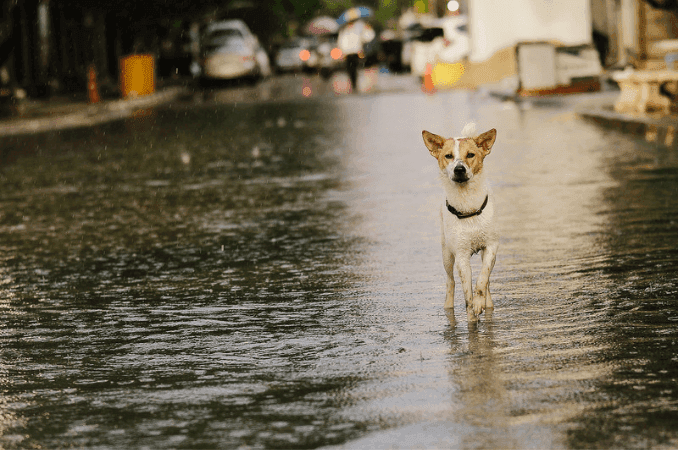
Pack your pet cyclone kit before the season starts. This Townsville guide covers what goes in a kit for dogs, cats and chickens, the pet rules at local shelters and places of refuge, what to do if you have to leave pets at home and how to find a lost pet after the storm.
· Talitha Mulder
Health and Wellbeing
How to Make Walking the Dog Part of Your Daily Routine (the Atomic Habits Way)
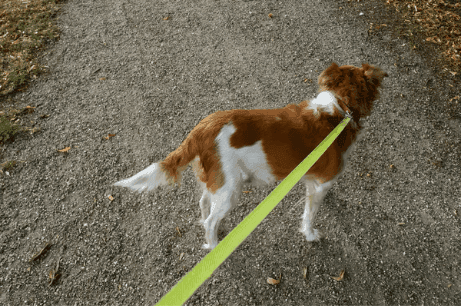
Struggling to walk the dog every day? Here’s how I used the four rules from Atomic Habits to turn our dog walk into a habit that sticks, plus a fill-in plan you can print and put on the fridge.
· Talitha Mulder

Health and Wellbeing
Is Having a Pet Good for Kids? What the Research Says
Is having a pet good for kids? From responsibility and empathy to comfort for only children, here’s what research says about kids and pets, the best age to get one, and how to keep babies and young children safe around animals.
· Talitha Mulder

Health and Wellbeing
How to Build a Stronger Bond With Your Dog (What the Research Says)
Want a closer bond with your dog? Learn what science says about the dog and human bond, the signs your dog is attached to you, how long bonding takes, and four simple ways to strengthen your connection through touch, play, routine and a calm home.
· Talitha Mulder

Health and Wellbeing
Is My Cat Happy? Use This Checklist to Tell if Your Cat is Content
Not sure if your cat is happy? Use this simple checklist to read the signs of a content cat, spot the warning signs of stress or illness, and learn easy ways to set up your home and routine so your cat feels safe, busy and loved.
· Talitha Mulder