
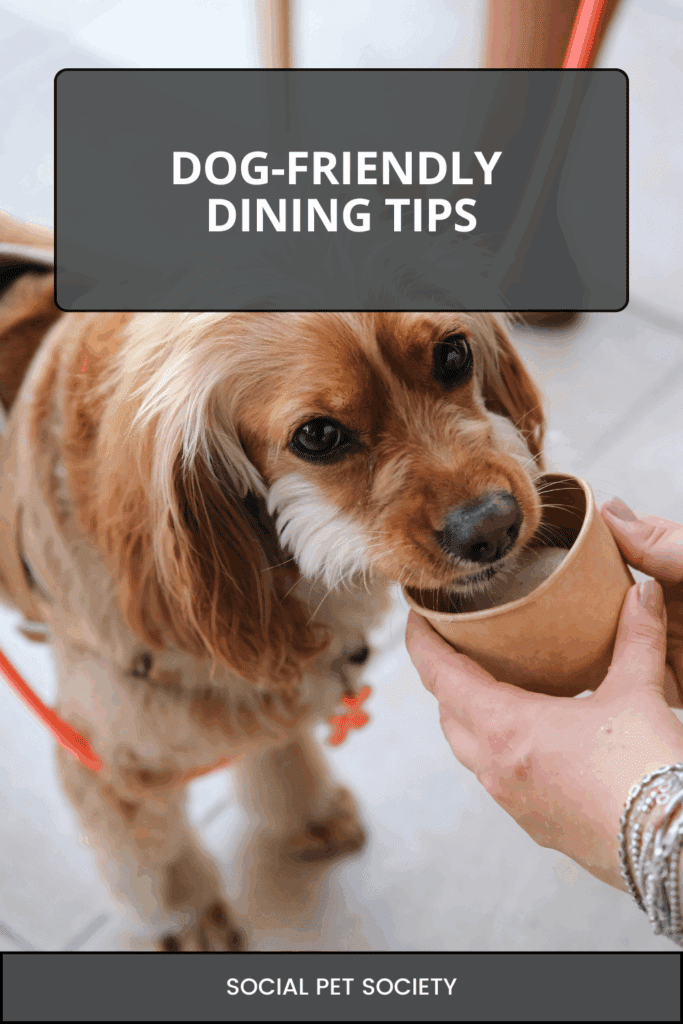

If you’re a dog owner who loves dining out, you’re probably curious about how to take your furry friend to restaurants without causing disruptions.
It often takes time and research to understand the rules, and one mistake could make the experience unpleasant for everyone.
This article breaks it down so you can enjoy dining with your dog while keeping both your pet and fellow diners happy.
Being aware of proper dog-friendly restaurant etiquette helps you avoid embarrassing situations and ensures everyone—including your pet—has a positive experience.
When done correctly, your visits can be relaxed, enjoyable, and welcomed by restaurant staff and patrons alike.
Table of Contents
Disclosure: This article includes affiliate links. If you click on these links and make a purchase, I receive a small commission. This comes at no extra cost to you but greatly supports the maintenance of this site. Learn more here.
When planning a night out with your dog, the first thing you probably pictured was a calm, happy pup sitting by your side while you enjoy your meal.
But you might not have thought about overlooked risks like barking, jumping, or hygiene issues.
Here’s everything you need to know to dine safely and politely with your canine companion.
Importance of Checking Policies Before You Go
The most important reason to call ahead is to ensure your dog is welcome and to understand any restrictions.
Different establishments may have unique rules, so being informed prevents misunderstandings.
Call the restaurant in advance
This confirms pet acceptance and any specific rules.
Understand local laws
In Australia, restaurants may allow pets but are not obligated to do so.
Guidelines for Preparing Your Dog
Feed Your Dog Before Dining
A well-fed dog is calmer and less tempted by table smells.
Exercise Beforehand
This helps your dog release excess energy and stay composed.
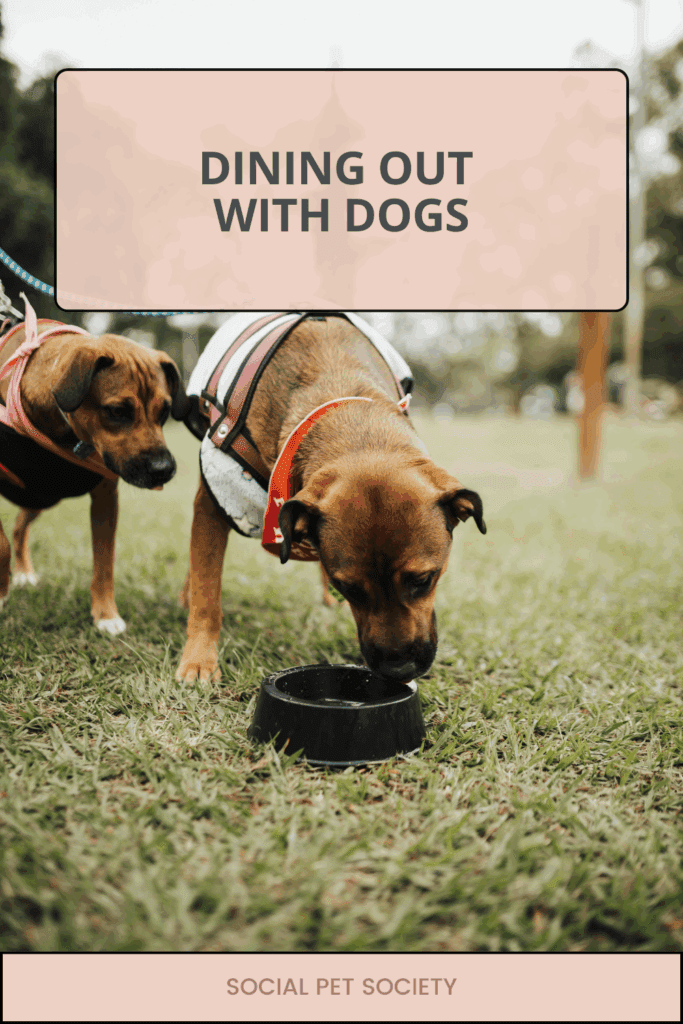
Bring Your Own Water Bowl
This ensures your pet stays hydrated without inconveniencing staff.
Consider Spaying/Neutering
This reduces aggression and supports good social behaviour.
Avoid Sick or Injured Dogs
This protects your pet and keeps the restaurant environment safe.
Puppies Under Four Months Should Stay Home
Young puppies need vaccinations and socialisation first.
Keep Vaccinations Up-to-Date
Essential for your dog’s safety and the safety of others.
Avoid Busy Times
Reduces stress for your pet and potential disruptions.
Behaviour Expectations in Restaurants
Manage Barking Behaviour
Prevents disturbance to other diners.
Never Leave Your Dog Unattended
Protects your dog and ensures safety.
Refrain from Feeding Table Scraps
Maintains hygiene and discourages begging.
Only Bring Well-Behaved Dogs
Ensures a positive experience for everyone.
Maintain Control of Your Dog
Follow leash laws and use secure tether points.
Seek Permission for Interaction
Respect other diners’ comfort levels.
Opt for a Short Leash
Keeps your dog close and prevents tripping hazards.
Choose a Quiet Table Location
Minimises distractions and stress.
Chairs and Benches Off-Limitsxt Here
Keeps your dog safe and respects hygiene.
Show Appreciation to Pet-Friendly Establishments
Encourage continued pet-friendly practices.
Remember It’s a Privilege, Not a Right
Only well-mannered dogs should attend.
What to Do if an Incident Happens
- Address unwanted behaviour immediately with calm commands or removal.
- Inform staff politely if your dog interacts unexpectedly with others.
- Be prepared to leave if your dog becomes distressed or disruptive.
Why It’s Important to Educate Yourself and Others
- Learn basic dog training techniques to reinforce good behaviour.
- Encourage friends and family to respect dog etiquette in public spaces.
- Share tips with other dog owners to promote responsible dining practices.
Conclusion
Dining out with a dog can be an enjoyable and enriching experience, but it requires planning and respect for others.
Following these etiquette rules ensures your dog is well-behaved and welcomed at restaurants.
What are your experiences dining out with your dog? Share your stories below!
Frequently Asked Questions About Dining Out with Dogs
Not all dogs are suitable. Only well-behaved, socialised, and healthy dogs should accompany their owners. Restaurants reserve the right to refuse entry if a dog may disrupt the dining experience.
Yes. Puppies under four months old should generally stay home. They are more vulnerable to disease and may not be fully vaccinated or toilet-trained yet.
Absolutely. Feeding your dog beforehand prevents begging and keeps them calmer during the meal. A satisfied pup is more likely to stay relaxed and obedient.
Keep your dog on a short leash, close to your table. Never leave them unattended, and avoid tying them to furniture. Training and prior exercise can also help maintain calm behaviour.
Only with permission. Some patrons may be uncomfortable around dogs, and not all dogs are friendly. Always ask before allowing interaction.
No. Table scraps can encourage begging and pose hygiene issues. Always bring dog-safe treats or food to keep them occupied without disturbing other diners.
Select a quiet table away from high-traffic areas or children. This helps reduce distractions and keeps your dog calm.
Bring essentials like a collapsible water bowl, leash, and any calming toys or treats. Some dogs may also benefit from a chew to stay busy during your meal.
Handle the situation calmly: remove them from the table, redirect attention, or leave if necessary. Quick action prevents escalation and maintains a positive experience for everyone.
Following etiquette ensures that dog-friendly establishments remain welcoming, promotes safety, and makes dining out enjoyable for both you and other patrons.
Sources and References
The information in this guide is based on research from trusted sources in dog behaviour, nutrition, and pet-friendly practices. These references helped ensure that the advice provided is accurate, safe, and practical for dining out with your dog.
Pethick, D. W., & Harper, G. S. (2007). Feeding the modern dog: A review. The Journal of Nutrition, 137(11), 2557S–2561S. https://doi.org/10.1093/jn/137.11.2557S
Christian, H., Westgarth, C., Bauman, A., Richards, E. A., Rhodes, R. E., Evenson, K. R., Mayer, J. A., & Thorpe, R. J., Jr. (2017). Dog ownership and physical activity: A review of the evidence. Journal of Physical Activity and Health, 14(2), 146–155. https://injuryprevention.bmj.com/content/23/3/212.short
Cutt, H. E., Giles-Corti, B., Knuiman, M. W., & Burke, V. (2008). Dog ownership, health and physical activity: A critical review of the literature. Health & Place, 15(1), 45–55. https://www.sciencedirect.com/science/article/abs/pii/S0376635712002008
Serpell, J. A., & Hsu, Y. (2005). Development and validation of a novel method for evaluating behavior and temperament in guide dogs. Applied Animal Behaviour Science, 95(3–4), 227–251. https://books.google.com.au/books?hl=en&lr=&id=p5SwCgAAQBAJ&oi=fnd&pg=PT11


Great information here! Thank you ????