
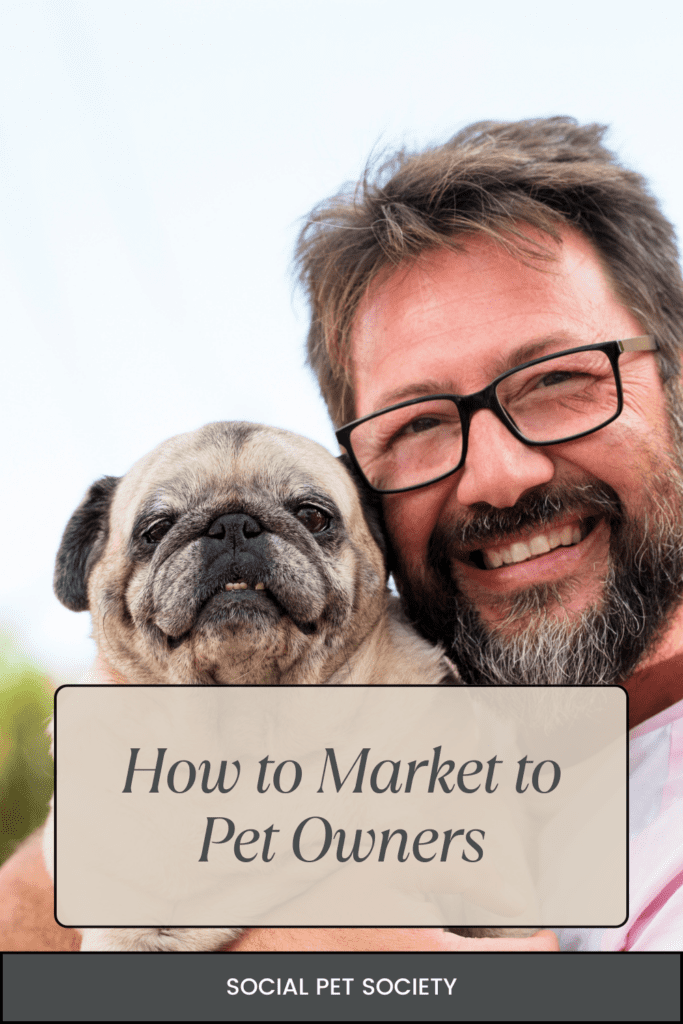

Marketing to pet owners, particularly dog owners, requires a deep understanding of the emotional and psychological connections people have with their pets.
Dog companionship is more than just an experience – it’s a complex, multi-dimensional relationship.
To effectively reach this audience, you need to understand the core dimensions that influence how people connect with their dogs and tailor your approach accordingly.
Table of Contents
Disclosure: This article includes affiliate links. If you click on these links and make a purchase, I receive a small commission. This comes at no extra cost to you but greatly supports the maintenance of this site. Learn more here.
1. Embrace the Symbiotic Relationship
Dog ownership is built on a mutual bond. The relationship between a dog and its owner is symbiotic, meaning both parties derive emotional support from the other.
Marketers should frame their campaigns around the idea of mutual care and emotional connection.
This creates a deeper, more lasting appeal to dog owners who view their pets as family members, not just animals to be cared for.
2. Appeal to the Dog-Oriented Self-Concept
Dog owners often base part of their self-identity on their pets.
Marketers should craft messages that reinforce the idea that a dog is a reflection of who they are – loyal, loving, and protective.
By connecting products or services to the “dog parent” identity, brands can tap into an owner’s sense of pride and self-concept.
3. Use Humanisation of Pets to Build Emotional Appeal
Many dog owners attribute human qualities to their pets, from thinking of them as children to giving them human-like needs and emotions.
‘Anthropomorphism’ (simply known as ‘humanising pets’, or ‘treating pets as people’) plays a big role in how dog owners see their pets.
Products that emphasise comfort, care, and luxury can be marketed as essential to a dog’s “well-being,” tapping into the belief that pets are not just animals but family members deserving of high-quality attention.
4. Target Younger Audiences Who Are Open to New Trends
Younger generations are more likely to experience a deeper bond with their dogs. This could be due to generational shifts or an openness to interspecies relationships.
Marketers should focus on younger, more flexible consumers who view dogs as integral parts of their families.
Consider crafting campaigns that emphasise the joy and freedom that comes with a dog-centric lifestyle, appealing to their sense of adventure and love for novelty.
5. Focus on Women as the Primary Dog Caregivers
Gender plays a significant role in the dog companionship experience. Women typically score higher across all dimensions of dog companionship, likely due to being the primary caregivers.
Marketers should focus their promotions on this demographic, tailoring their messages to resonate with women who prioritise their dogs’ emotional and physical well-being.
Position products as enhancing the bond between women and their pets.
6. Adjust Your Strategy for Families with and without Children
The presence of children – or lack thereof – impacts how people relate to their dogs.
Marketers should recognise that families without children, as well as empty nesters, may look to their dogs as a substitute for the family members who have left home.
A dog can represent both emotional fulfilment and companionship. Ads that highlight the joy and connection dogs bring to families in these life stages will be more effective.
7. Capitalise on Quality Time and Emotional Investment
The length of time an owner has had their dog, along with the amount of quality time spent together, can significantly impact their attachment.
Long-term dog owners who spend more than two hours daily with their pets form stronger emotional bonds.
Marketers can target these consumers by emphasising products that improve the quality of time they spend with their pets, from interactive toys to grooming products that ensure dogs are always at their best.
8. Educate and Align with Educated Consumers
Higher education levels correlate with a greater appreciation for the human-dog relationship. Those with a university education are more likely to see their dogs as companions, not just pets.
Marketing messages that acknowledge this depth – such as emphasising companionship, emotional connections, and the science of pet care – will resonate better with this audience.
Promote your products as a way to enrich the human-animal bond rather than just as pet supplies.
9. Understand the Role of Purebred Dogs in Consumer Behaviour
Owners of purebred dogs tend to have a stronger emotional investment in their pets.
Marketers should cater to this group by offering premium products that reflect the high level of care they believe their pets deserve.
This demographic is likely to appreciate the finer details, such as tailored nutrition or luxury grooming products, which enhance the status and care of their beloved companions.
Conclusion
To successfully market to dog owners, understand the unique dimensions that shape their companionship with their pets.
Focus on the emotional bonds, the way owners view their dogs as family, and how lifestyle factors like age, gender, and education influence their consumer behaviour.
Tailoring your marketing strategies to these key dimensions will not only increase engagement but also build lasting, authentic relationships with your audience.
References
https://www.sciencedirect.com/science/article/pii/S0148296307002214

