
Signs of Stress in Pets: 5 Ways to Recognise and Relieve It
As a pet owner, I know how deeply our furry companions can affect our lives. Their joy, loyalty, and affection bring so much comfort. But just as we experience stress, so do our pets. Stress can have a profound impact on their well-being, and sometimes it’s not immediately obvious. Over the years,…
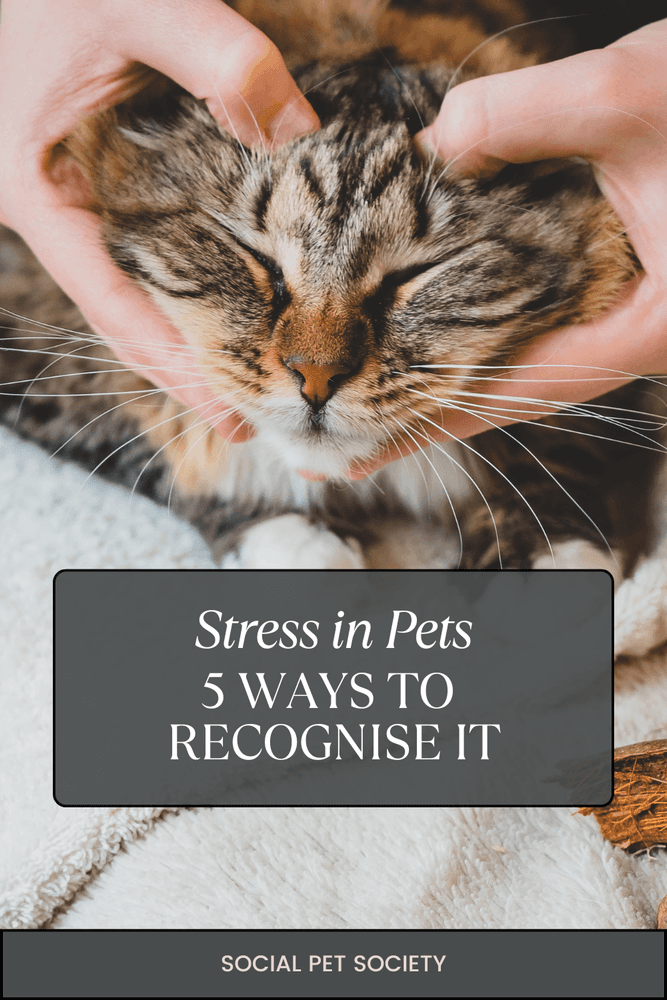
As a pet owner, I know how deeply our furry companions can affect our lives. Their joy, loyalty, and affection bring so much comfort. But just as we experience stress, so do our pets. Stress can have a profound impact on their well-being, and sometimes it’s not immediately obvious.
Over the years, I’ve learned to recognise the subtle signs of stress in my pets, and I’ve found effective ways to alleviate it.
Today, I want to share what I’ve discovered about recognizing stress in pets and how we can help them feel calm and safe again.
Table of Contents
Disclosure: This article includes affiliate links. If you click on these links and make a purchase, I receive a small commission. This comes at no extra cost to you but greatly supports the maintenance of this site. Learn more here.
1. Changes in Behaviour: The Subtle Clues
One of the first things I notice when my pets are stressed is a shift in their behaviour. Animals, like dogs and cats, are creatures of habit, so any change in their routine or environment can cause them stress.
These changes may manifest as sudden anxiety, clinginess, or even withdrawal.
Signs to Look For:
- Increased Hiding: If your normally social pet starts retreating to isolated spots or hides more frequently, they may be feeling stressed.
- Excessive Barking or Meowing: A normally calm pet may become overly vocal, signalling distress.
- Changes in Eating Habits: Stress can cause a pet to eat more or less than usual. If your pet has suddenly lost interest in food or is overeating, it could be a sign of stress.
- Aggression or Fearfulness: A pet who suddenly shows signs of aggression or cowers in fear when they’ve never done so before could be reacting to stress.
How to Relieve It:
- Maintain Routine: Keeping a consistent daily routine, especially around meals, walks, and playtime, can provide reassurance and a sense of normalcy.
- Create a Safe Space: Designating a quiet, comfortable area where your pet can retreat to feel safe can do wonders.
2. Physical Symptoms: Stress Shows in Their Bodies
Stress can take a toll on a pet’s physical health, sometimes showing up in ways that are hard to ignore.
Over time, I’ve learned to spot these physical signs early to prevent any further discomfort for my pets.
Signs to Look For:
- Excessive Grooming or Scratching: Pets under stress, especially cats, may begin grooming excessively, which can lead to hair loss or sore patches. Dogs, on the other hand, might scratch or lick themselves more frequently.
- Shaking or Trembling: A pet who suddenly starts shaking or trembling, even when it’s not cold, may be feeling anxious or stressed.
- Dilated Pupils or Whining: In dogs and cats, dilated pupils can be a sign of fear or stress. Whining or constant pacing can also indicate anxiety.
- Changes in Bathroom Habits: If your pet suddenly starts having accidents indoors or has diarrhoea, stress may be the culprit.
How to Relieve It:
- Calming Products: There are a variety of calming collars, sprays, or diffusers that I’ve used to help my pets relax. Products containing pheromones, like Adaptil for dogs or Feliway for cats, can provide a soothing environment.
- Comforting Touch: Sometimes, just offering your pet a gentle touch or brushing their fur can help ease their anxiety. I find that pets often respond well to calm, affectionate interactions.
3. Changes in Sleep Patterns: Not Just Lazy Behaviour
If your pet has been sleeping more than usual or has started showing signs of insomnia, it could be related to stress.
Pets who are stressed often have trouble getting proper rest, which, in turn, can affect their overall health and happiness.
Signs to Look For:
- Sleeping More Than Usual: If your pet is sleeping significantly more than normal, it may be due to stress or even depression.
- Restlessness or Inability to Settle: Stress can also make it difficult for pets to find comfort, causing them to pace, whine, or shift positions frequently during the night.
How to Relieve It:
- Comforting Environment: Make sure your pet’s bed or sleeping area is cosy and in a quiet spot. I’ve found that adding a soft blanket or familiar toy can help calm my pets when they’re feeling unsettled.
- Regular Playtime: Engaging in play with your pet during the day can help tire them out and make it easier for them to settle down at night.
4. Destructive Behaviour: Stress Can Lead to Chewing and Scratching
Destructive behavior is often one of the most noticeable signs of stress. It’s something I’ve had to address with my pets on occasion. If you notice your dog or cat suddenly chewing on furniture, scratching at doors, or becoming overly destructive, they might be trying to cope with anxiety.
Signs to Look For:
- Chewing and Scratching: Dogs may chew on furniture or shoes, and cats might scratch excessively or destroy their favourite spots. It’s their way of dealing with frustration or stress.
- Digging: Dogs who are stressed may dig at the floor or in their bedding as an outlet for their anxiety.
How to Relieve It:
- Mental Stimulation: I’ve found that providing engaging toys, puzzle feeders, or interactive games can help redirect your pet’s energy and alleviate boredom or stress.
- Training and Positive Reinforcement: Training your pet to stay calm through commands or using positive reinforcement techniques can help them learn how to cope with stressful situations more effectively.
5. Increased Vocalisation: Stress Through Sound
Vocalisation is a clear indicator of stress in many pets, particularly dogs and cats. If your pet is suddenly barking or meowing excessively, it could be a sign that they’re feeling anxious or threatened.
Signs to Look For:
- Excessive Barking or Meowing: If your pet is making more noise than usual, especially in situations where they normally wouldn’t, it could be a sign of stress.
- Whining or Howling: This is especially common in dogs, but cats can also make distressing sounds when they’re anxious or scared.
How to Relieve It:
- Desensitisation: If your pet is stressed by specific noises, like fireworks or thunderstorms, I recommend desensitising them by playing the sound at a low volume and pairing it with something positive, like treats or playtime.
Provide a - Calming Routine: Calm, consistent routines help pets feel secure. If your pet is vocalising out of anxiety, try maintaining a soothing, predictable schedule throughout the day.
Conclusion
Recognising stress in our pets is essential for their well-being.
It can sometimes be challenging to decipher their emotions, but with the right approach, we can help them feel secure and loved. By keeping an eye on their behaviour, physical health, and environment, we can prevent stress from affecting their happiness and health.
If you’ve noticed any of these signs in your pet, or if you’re concerned about their well-being, I encourage you to visit your veterinarian. Together, you can work out a plan to help your furry friend cope with stress in a healthy and effective way.
Your pet’s comfort and happiness are worth the extra care!
Related articles

Pet-Friendly Business Growth
Ultimate Guide to Starting a Pet Sitting Business in Australia: Steps and Tips
Starting a pet sitting business in Australia isn’t hard. Starting one that actually makes consistent money is. Most people begin with a simple idea: “I love animals, I’ll get paid to look after them.” But love alone doesn’t create demand – value does. From running my own service-based business,…
· Talitha Mulder
Pet-Friendly Hotels Ayr QLD – 2025 Verified Guide
Looking for pet-friendly hotels in Ayr QLD? Check our 2025 guide with verified pet policies, hotel contacts, and tips for staying with your dog.
· Talitha Mulder
How Brisbane Dog Owners Socialise Their Pets – Survey Insights
A community survey reveals how Brisbane dog owners socialise their pets, from off-leash parks and outdoor adventures to dog-friendly cafes and beaches. Whether you’re new to the city or a local, get insights into Brisbane’s dog-friendly lifestyle and best practices for keeping your furry friends…
· Talitha Mulder