
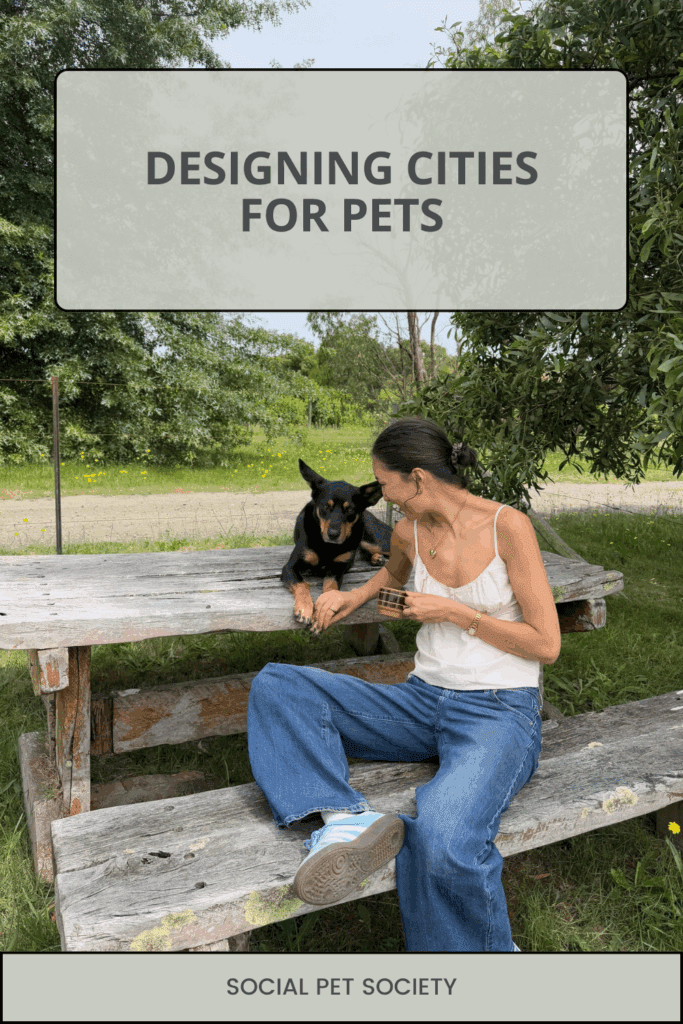

Have you ever taken your dog to one of the few dog parks around, only to watch them run around the fence perimeter of a bare patch of dead grass, with less space than your backyard back home? It can be really frustrating!
Most towns and cities are built with people in mind, not their pets, which means dogs, cats, and other animals are often left out of the plans—which is crazy, considering that in Australia, over 70% of households have a pet (well above the worldwide average of 50%).
It makes me wonder: what if our cities could be designed so that our pets could enjoy their town too?
That’s what designing cities that love pets is all about. In this guide, I’ll explore why pets are so important to our way of life, how cities can include them, and what you can specifically do to help.
Table of Contents
Disclosure: This article includes affiliate links. If you click on these links and make a purchase, I receive a small commission. This comes at no extra cost to you but greatly supports the maintenance of this site. Learn more here.
Why Cities Need Pets
Your pet does more than just keep you company — they help build neighbourhood connections, they maintain your health, and they even help support your local economy.
Making friends and feeling safe
The most obvious way pets help you make friends and stay connected is by walking your dog — it’s such a natural way to meet your neighbours.
People stop to say “hi,” ask about your dog, and before you know it, you’ve learned a little more about the people in your area.
Interestingly, seeing people out walking their dogs also makes neighbourhoods feel safer — probably because there are simply more eyes and friendly faces out on the streets.
But it’s not just dogs that build connections. Cats can be great icebreakers when tradespeople come around, and even birds can spark conversations.
Just the other day, I was at the chemist, and a customer had a birdcage with a macaw inside. She was so proud, and everyone waiting for their prescriptions ended up chatting about pet birds and sharing stories. It’s not something you see every day, but it really shows the power our pets have to bring people together.
Health and happiness
Physically, pets get you moving! Dog owners, especially, get exercise from daily walks.
Backyard chicken owners get their cardio in trying to wrestle a wayward hen back into their coop.
But it’s not just your body that benefits — pets help your mind too. They give comfort and love, which can make you feel less lonely and less stressed.
Plus, did you know that having a pet lowers the stress hormone cortisol, and raises the “happy hormone”, oxytocin?
In fact, studies show that children who grow up with pets often:
- feel more confident
- learn to get along with others better
- handle problems more easily
Helping the economy
Pets are good for businesses too! Cafes, shops, and restaurants that welcome pets often get more customers than those that don’t.
And whenever money circulates — through people spending on pet supplies, grooming, toys, and insurance — more jobs are created.
So, by having pets around, we can actually make the city a stronger and happier place for everyone.
Urban Planning to Include Pets
Now, I have to admit — I don’t know all the ins and outs of our local councils. But, like anything, planning is the most critical step in achieving successful outcomes.
And integrating pets isn’t just about adding a park here or there — it’s about thinking of pets in every part of city life and planning well.
For example, we need to be considering:
- Public spaces: Parks, sidewalks, and playgrounds should be safe, fun, and well-integrated to allow optimal use for pets.
- Transport: Buses, trains, and bike paths can be designed so pets can travel too.
- Housing: Rental property owners can allow pets, and be mindful to include areas for them to play and rest comfortably and safely.
- Community programs: Fun activities, workshops, and support for pet owners help everyone learn and enjoy city life together — including programs that teach children about responsible pet ownership.
- Ease of access to regulations: When business owners are clearly informed about their requirements and responsibilities, more pet-friendly spaces and businesses can thrive. There’s no reason to make it a risky or difficult concept to take on.
The key is thinking about pets as important members of the community — not just as an afterthought.
Why Pet-Friendly Urban Design Matters
Pets in towns and cities are not a luxury — they’re part of a growing population that affects public health, social cohesion, and the local economy.
- Happier residents who enjoy their neighborhoods
- Less stress and better overall health
- More tourists and visitors because pet-friendly cities are fun for everyone
When a city thinks about pets, everyone benefits—people, animals, and even local businesses.
Check out our Ultimate Guide to Creating a Pet-Friendly World
Designing Pet-Friendly Parks
Parks are the heart of pet-friendly cities, but pets need more than just open grass. A good park for pets should have:
- Zones for small and big dogs: This helps pets play safely without accidents.
- Shaded areas with benches and water: Everyone gets a rest, including humans!
- Safe fencing and gates: Double gates stop pets from escaping.
- Durable surfaces: Grass, gravel, or soil keeps pets safe and clean.
- Waste disposal stations: So owners can clean up after pets easily.
Even little details, like rubbish bins and water fountains, make a park easier and more fun for pets and people.
Pets on Public Transport
Traveling with pets can be tricky. Towns that make it easier usually have:
- Pet-friendly zones on buses, trains, and ferries
- Hooks, ramps, and special seats for pets
- Clear rules and trained staff
When transport is easy and stress-free, more people walk, bike, or take the bus with their pets, which is better for the environment and for everyone’s health.
For more information have a read of our article Integrating Pets Into Public Transport
Housing That Welcomes Pets
Essential Amenities for Pets
Housing is often the bottleneck for city-dwelling pet owners.
Pet-friendly apartments must include:
- Secure outdoor spaces: balconies, small yards, or rooftop play zones
- Pet-centric amenities: washing stations, storage for supplies, indoor relief areas
- Noise and behavioural consideration: soundproofing and clear pet policies
Why Landlords Should Care
Many owners know that even a quiet street can have hidden dangers—cars, wildlife, or people who might accidentally hurt their pets.
By keeping pets indoors or in controlled, safe areas, owners can protect their animals while still letting them have fun adventures.
When landlords support this kind of safe pet care, tenants appreciate it—and they’re more likely to treat the home well and stay for the long term.
Policies & Community Programs
Effective Urban Policies for Pets
Urban coexistence isn’t possible without supportive governance.
Policies That Work:
- Zoning regulations for off-leash areas
- Leash laws near sensitive wildlife zones
- Waste disposal mandates and hygiene guidelines
Community Programs That Work
These are ideas of things that work in communities:
- Public education on responsible pet ownership
- Workshops on wildlife coexistence
- Collaboration with veterinarians and landlords
When cities involve communities in planning, adoption of pet-friendly measures increases dramatically.
Future Trends in Pet-Friendly Cities
Cities of tomorrow are looking at innovative ways to integrate pets:
- Smart infrastructure: Pet stations, automated gates, and sensors in parks
- Sustainable practices: composting pet waste, low-carbon pet facilities
- Inclusive planning: co-locating pet facilities with schools, offices, and housing
Inclusive Urban Planning for Pets
The future is collaborative: city planners, architects, pet owners, and community groups all play a role.
How You Can Help
Being a good pet owner means doing your part to keep pets safe and everyone happy.
That means making smart choices about where your pet can play, keeping them under control, and always cleaning up after them.
When everyone does their part, pets can have fun, people can enjoy shared spaces, and communities stay happy.
Here’s how everyone can help:
Role-Based Actions for Urban Coexistence
-
Urban planners: Design parks and neighbourhoods with pets in mind
-
Developers: Include pet-friendly features in apartments and buildings
-
Pet owners: Follow rules, use leashes, and pick up after pets
-
Businesses: Welcome pets wherever possible
-
Residents: Speak up for green spaces and pet-friendly policies
-
Landlords: Allow pets and provide safe spaces, which keeps tenants happy and likely to stay longer
Conclusion
Cities that think about pets aren’t just about parks — they help people, pets, and even wildlife live happier and healthier lives.
When cities are planned carefully, with rules that help everyone, pets and people can share spaces safely and enjoyably.
If we all work together, cities don’t just let life happen — they make life better for everyone.
Frequently Asked Questions About making cities pet-friendly
A pet-friendly city is designed to make life easier and safer for pets and their owners. This includes parks, pet amenities, pet-friendly housing, public transport access for animals, and community programs that support responsible pet ownership.
Parks give pets a safe space to exercise, socialise, and explore. Well-designed parks include shaded areas, secure fencing, water stations, and waste disposal points, making them enjoyable for pets, owners, and the wider community.
Cities can allow pets on buses, trains, and ferries with clear rules, designated zones, and infrastructure like ramps or hooks. Staff training and clear signage help make travel stress-free for pets and owners, while encouraging sustainable transit use.
Pet-friendly apartments and buildings provide secure outdoor spaces, amenities like washing stations, indoor relief areas, and clear pet policies. These spaces reduce conflict, keep pets safe, and attract longer-term tenants.
Cities can protect wildlife by containing cats, designing dog parks away from sensitive areas, and educating residents on safe interactions. Thoughtful planning allows pets and local wildlife to thrive together.
Innovative trends include smart infrastructure like automated gates or pet stations, sustainable practices like composting pet waste, and inclusive planning that integrates pet facilities with schools, offices, and residential areas. Collaboration across planners, developers, and the community is key.
Everyone can help! Urban planners can include pet needs in zoning; developers can build pet amenities; pet owners can follow rules and participate in community programs; business owners can create pet-friendly spaces; and residents can advocate for inclusive policies and green spaces.
Sources and References
The information in this guide is based on research from trusted sources in urban cat and dog welfare, human-animal interactions, and ethical pet management. These references ensure that the advice provided is accurate, safe, and practical for fostering positive relationships between pets and people in urban environments.
Apfelbeck, B., Snep, R. P. H., Hauck, T. E., Ferguson, J., Holy, M., Jakoby, C., MacIvor, J. S., Schär, L., Taylor, M., & Weisser, W. W. (2020). Designing wildlife-inclusive cities that support human-animal co-existence. Landscape and Urban Planning, 200, 103817. https://doi.org/10.1016/j.landurbplan.2020.103817
Granai, G., Borrelli, C., Mariti, C., & Di Iacovo, F. (2024). Animals and cities: A reflection on their potential in innovating nature-based solutions. Animals, 14(5), 680. https://doi.org/10.3390/ani14050680
Beatley, T., & Bekoff, M. (2013). City planning and animals: Expanding our urban compassion footprint. In Ethics, design and planning of the built environment (pp. 185–195). Urban and Landscape Perspectives, Volume 12. Springer. https://doi.org/10.1007/978-94-007-5514-8_12
Jaroš, F. (2021). The cohabitation of humans and urban cats in the Anthropocene: The clash of welfare concepts. Animals, 11(3), 705. https://doi.org/10.3390/ani11030705

