

My 15-week-old puppy tends to jump up when excited, especially when my 2-year-old is around. While it’s cute now and people love petting her, I’m concerned this behaviour might carry into adulthood. That’s why I’ve been looking for a way to prevent it from becoming a long-term habit.
Puppies jump on people for attention or treats, like petting. Understanding why your puppy jumps helps in teaching them new behaviours instead. By gradually making the training more challenging you can stop them from jumping on anyone, and instead teach them to hug on command.
Later in the post, I’ll talk about dog training methods, and I’ll recommend using BLACKDOG Chicken Breast treats to enhance the process. You can find them here, conveniently on Amazon.
Table of Contents
Disclosure: This article includes affiliate links. If you click on these links and make a purchase, I receive a small commission. This comes at no extra cost to you but greatly supports the maintenance of this site. Learn more here.
Why is My Puppy Jumping?
Ever wondered why your puppy jumps up on you or others? Well, most dogs jump because they want something physical, like a toy or treat. However, some dogs jump just to get attention from their owner. For instance, my own puppy jumps up on my leg for attention and a pat.
Puppies may inadvertently learn to jump on people to achieve these things, especially when they’re young and still learning appropriate behaviour. When a puppy jumps up and receives what they want, such as petting or a treat, or attention in the form of talking or eye contact, they may interpret this as a positive response to their actions. As a result, they learn that jumping can lead to what they want from their owners or other people.
This unintentional reinforcement can cause repeated jumping behaviour. Over time, this learned behaviour can become ingrained, making it harder to discourage without proper training and guidance.
Studying your own dog is the best way to understand why they behave the way they do. As the owner, you know your dog best, which means you’re in a great position to fix this issue. It’s kind of like how involving parents in understanding their kids’ behaviour can lead to better outcomes compared to just relying on professionals.
Understanding what motivates your dog to jump allows you to make changes to reduce this behaviour. It’s really important for you to be mindful of your interactions with your furry companion to avoid accidentally reinforcing jumping behaviour. Instead, you should encourage alternative behaviours, such as sitting, which is more appropriate.
All the Reasons Your Puppy may Jump on People
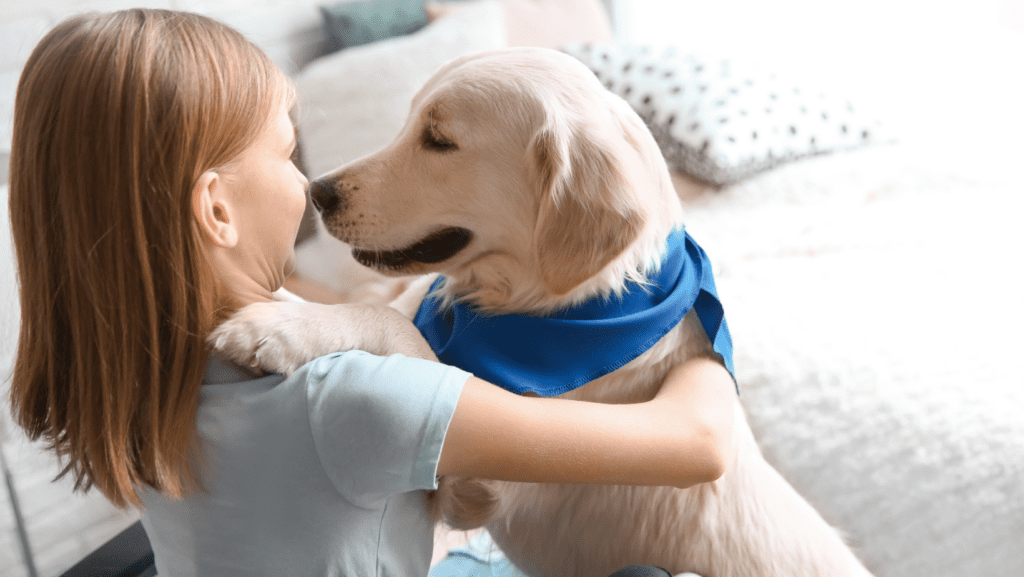
Puppies jump for many reasons, and understanding these reasons can help address and manage their behaviours. Here are some further reasons why puppies jump:
- Excitement: Puppies often jump when they’re excited, such as when they see their owners return home or when they anticipate playtime or treats. Jumping can be a way for them to express their happiness and eagerness to engage with you.
- Seeking Attention: Puppies may jump to seek attention from their owners or other people. They learn that jumping can elicit a response from humans, whether it’s petting, talking, or making eye contact. This attention-seeking behaviour can become reinforced if it’s consistently rewarded.
- Greeting Behaviour: Jumping can be a natural part of a puppy’s greeting behaviour. In the wild, dogs may jump up to sniff each other’s faces as a way of saying hello and gathering information about the other dog. Puppies may carry this behaviour into their interactions with humans.
- Exploration and Playfulness: Puppies are naturally curious and playful, and jumping may be a part of their exploratory behaviour. They may jump to investigate new objects, people, or environments, or as part of a game with their littermates or humans.
- Attention-Seeking Behaviour: Some puppies may jump as a way to communicate their needs or desires, such as when they’re hungry, want to go outside, or are feeling anxious or bored. Jumping can be a way for them to get their owners’ attention and communicate their needs.
- Training and Socialisation: In some cases, puppies may jump because they haven’t been properly trained or socialised to understand appropriate behaviour. Without clear guidance and boundaries from their owners, puppies may resort to jumping as a way to interact with people or express themselves.
Consistency, patience, and positive reinforcement are key in shaping desired behaviour and building a strong bond between owners and their puppies.
The Best Way to Stop Jumping
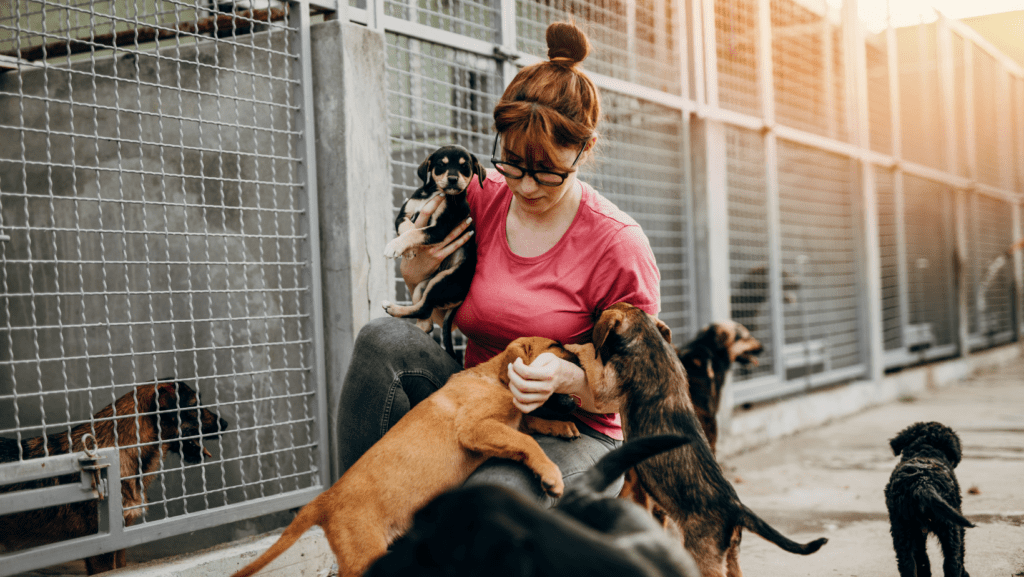
The main way of stopping unwanted jumping behaviour involves only giving your dog treats when they stop jumping. The idea is to break the link between jumping and getting attention, which could help reduce the urge to jump.
The main thing that determines if this training is effective, is if you are comfortable to learn the skills and put in the time to manage your dogs’ behaviour. This is because sometimes, trying to teach your puppy not to jump can be tricky, and different dogs might need different approaches. It really depends on you reading your dogs behaviours.
Step by Step on How to Teach Your Dog to Stop Jumping up on People
Train your dog easier with these irresistible BLACKDOG Chicken Breast treats—a premium treat known for its high protein content. You can easily cut the pieces prior to training to use as nutrient rich rewards. Treat your furry friend to the deliciousness of the trusted BLACKDOG brand – available on Amazon now!
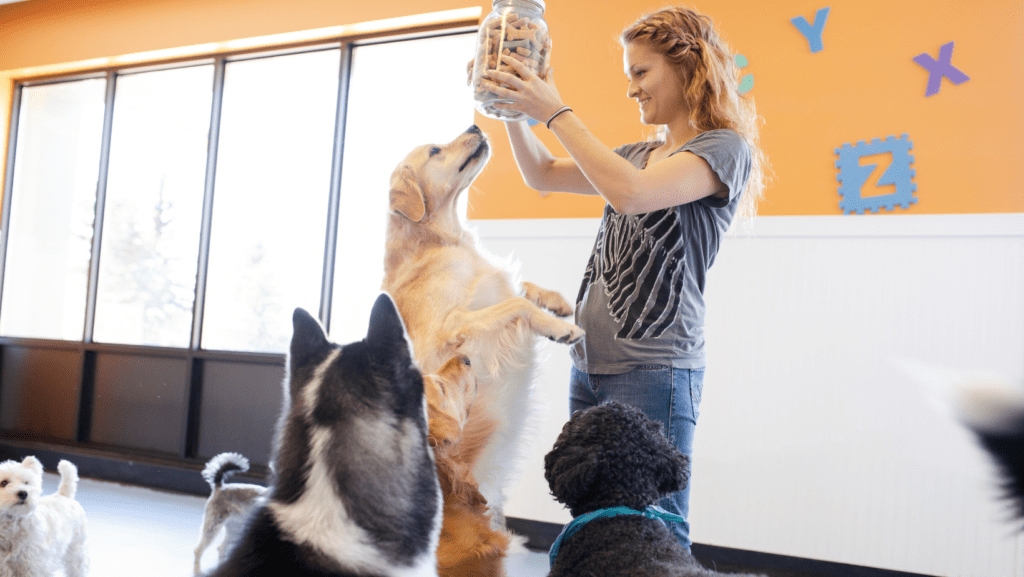
If your dog tends to jump on people, here’s the simple way to train them to stop.
- First, put your dog on a lead and have them stand in front of you with the lead on the ground.
- If they try to jump, stand on the lead to prevent them from doing so. This avoids physical contact and discourages jumping.
- Encourage jumping behaviour for training purposes, use toys, treats, or playtime to get them excited (don’t actually tell them to jump, or encourage the jumping, just act in a way that usually causes them to jump).
- Perform the stand-on-lead action. Afterward, praise them and immediately give them a treat.
- Repeat this process, praising and treating your dog when they exhibit the desired behaviour. If your dog stays off on their own, still praise and reward them. The goal is to create success in every interaction.
- Next, introduce the command “off” when your dog is behaving correctly. Only use this command when they’re not jumping, and reward them for following the instruction. Gradually increase excitement levels, using the “off” command and rewarding them for listening.
- Continue the training by testing if your dog responds to the “off” command when they are more excited. Reward them with treats and praise when they successfully follow the command. The key is to build up to more challenging situations while ensuring your dog feels successful in each step of the training process.
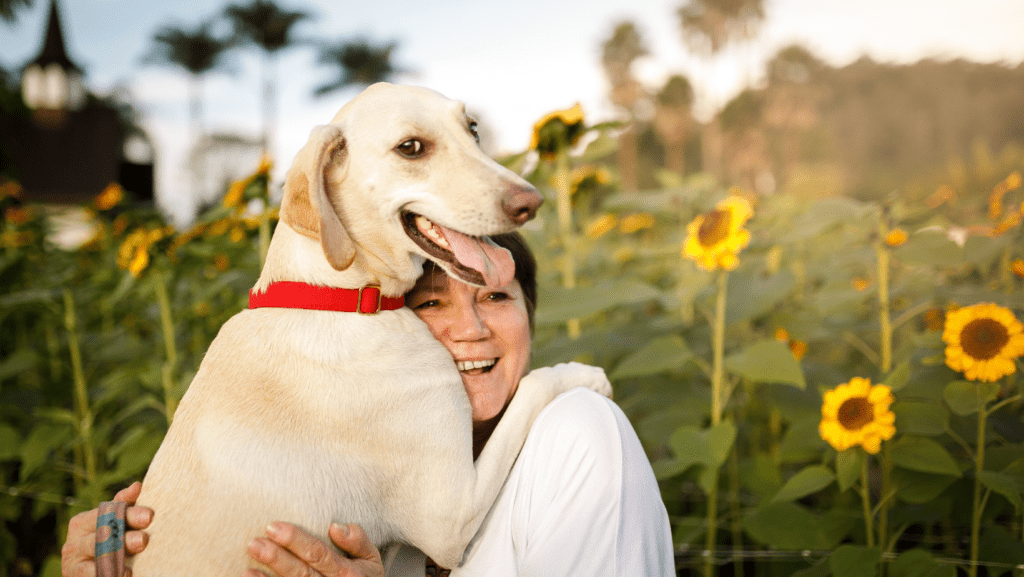
Teaching Your Dog To Hug
Teaching your puppy to hug while staying seated can be a wonderful bonding experience. Here’s how you can do it:
- Start with Basic Commands: Before teaching your puppy to hug, ensure they have mastered basic commands like “sit” and “stay.” This will provide a foundation for the training.
- Sit Command: Begin by commanding your puppy to sit. Use a treat to lure them into the sitting position if needed, and praise them when they comply.
- Introduce the Hug Cue: Once your puppy is seated, gently lift one of their front paws and place it on your shoulder or chest, mimicking a hug. Pair this action with a verbal cue like “hug” or “cuddle.”
- Reward and Reinforce: As soon as your puppy’s paw touches your shoulder or chest, immediately praise them and offer a treat. This positive reinforcement helps them associate the action with the command.
- Repeat and Practice: Practice the hug command regularly during short training sessions. Repeat the steps, gradually increasing the duration of the hug and reinforcing with treats and praise each time.
- Use Hand Signals: Along with verbal cues, introduce hand signals such as holding your arms open in a welcoming gesture to signal to your puppy that it’s time to hug.
- Be Patient and Consistent: Teaching your puppy to hug while seated requires patience and consistency. It’s essential to maintain a calm and positive demeanour throughout the training process.
- Gradually Fade Treats: Over time, gradually reduce the frequency of treats while still offering praise for successful hugs. This helps your puppy understand that hugs are rewarding in themselves, even without a treat every time.
- Practice in Different Settings: Practice the hug command in various environments and situations to help your puppy generalise the behaviour. This ensures they can hug on command regardless of the surroundings.
- Enjoy the Bonding Experience: As your puppy learns to hug while sitting, enjoy the special moments of connection and bonding it creates between you and your furry friend.
Remember, every puppy learns at their own pace, so be patient and celebrate each small success along the way. With time and consistent training, your puppy will become a pro at giving seated hugs!
Conclusion
In conclusion, if your puppy has a habit of jumping on people, understanding the reasons behind this behaviour is crucial for effective training. Our practical tips suggest using a lead to discourage jumping, introducing commands like “off,” and gradually increasing difficulty levels to reinforce desired behaviour. Consistency and positive reinforcement play a vital role in successful training, ensuring a harmonious relationship between you and your furry friend.


