
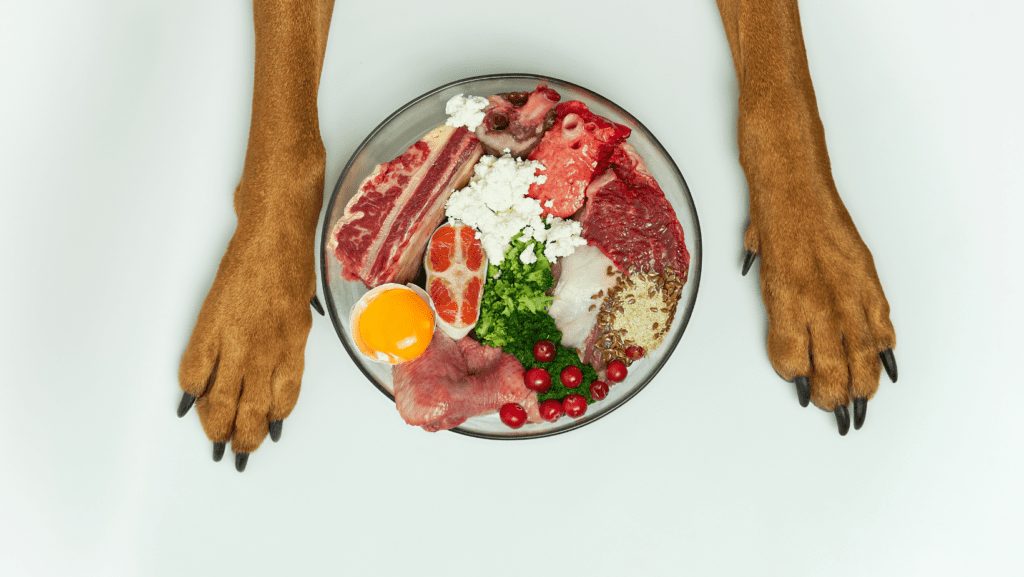
I have two dogs, a Border Collie puppy and a senior Chug (Chihuahua x Pug). They have different food preferences, appetites and weights. They are polar opposites in what they need nutritionally and I was very interested to know what diet I should be feeding them. So, I did some research to find out how to provide them with a balanced diet – I have outlined below the main points from some studies I found.
To give your dog the best diet, you need to understand their individual dietary needs. You should consult your veterinarian to assess their overall health, taking into account their size and age. While homemade, raw, and vegan diets are okay choices if well managed, a balanced diet is best, which commonly includes commercial pet food, with occasional treats and homemade or raw foods for added pleasure and nutrition.
Table of Contents

Disclosure: This article includes affiliate links. If you click on these links and make a purchase, I receive a small commission. This comes at no extra cost to you but greatly supports the maintenance of this site. Learn more here.
Different Diet Types
Around 8 out of 10 dogs are given regular store-bought dog food as part of their diet, and around 1 in 7 dogs are eating that type of diet exclusively [1]. But, there’s a bunch of pups out there enjoying either homemade meals, vegan meals, or raw food, sometimes instead of the store-bought stuff, and sometimes alongside it. But, how do these different diets affect my dogs health?
Home Made
For a long time the main choice for most pet owners has been commercial pet foods for their dogs meals—like a ‘complete’ kibble from the pet store. However, recently, there has been a big change in how we feed our pets, and more pet owners want to take a hands-on approach of preparing their dogs meals right at home.
An example of this is my friend’s older dachshund that I recently babysat. Instead of the usual store-bought routine, her pooch had a cooler bag filled with individually packed and carefully pre-prepared, home-cooked chicken and rice, accompanied by a side of dog kibble. This meal choice showed the emerging trend of homemade dog diets.
There are some obvious advantages to the home made diet, like tailoring your dogs diet to their exact health needs. Which is what my friend did; made sure her dachshunds food was more gentle on her digestive system.
But, managing a well-rounded homemade diet requires such careful and thought-out planning to ensure it is nutritionally sound. Vitamins, minerals, and overall balance are so important.
So, if you’re considering taking the plunge into preparing your pet’s meals from scratch, please involve a vet, as a small error in nutritional content could lead to serious health problems and poor health outcomes [4].
Raw Food and Bones
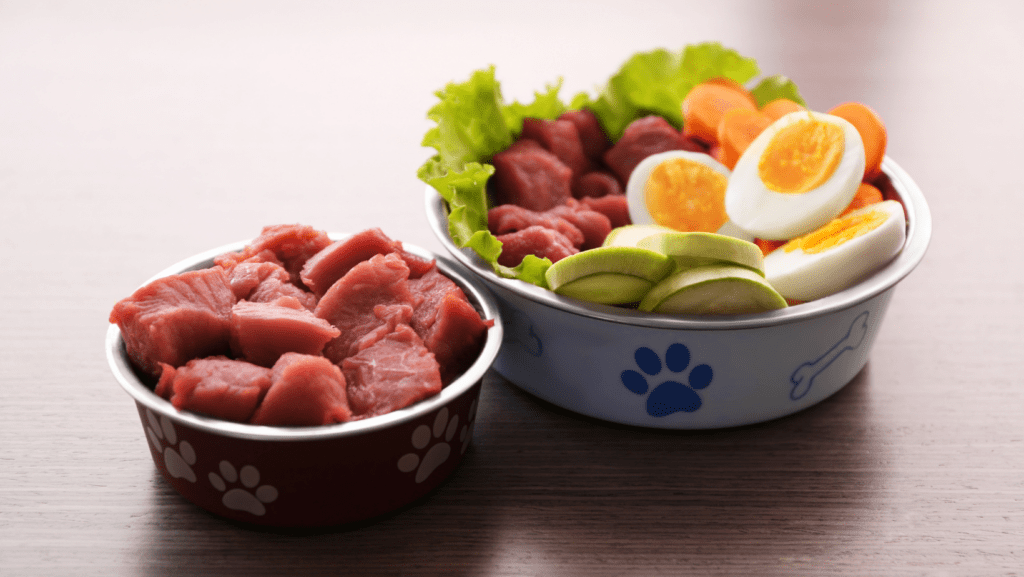
If you’ve heard of the bone and raw food diet for your pooch, you would know it involves mainly uncooked meats, bones and eggs. But, as previously mentioned, maintaining the delicate balance of vitamins and minerals is no walk in the dog park.
In this diet, it is hard for pet owners to make sure that their dogs get the right levels of nutrients. Sixty percent of dogs on this diet experience nutritional imbalances. It can be a good diet when done carefully and 40% of dogs on this diet have a well-balanced profile or minor issues like excess calcium from excessive bone consumption [2].
To ensure your dog gets all the necessary nutrients on a raw food diet, focus on providing adequate amounts of zinc, iodine, copper, calcium, vitamin D, and phosphorus.
- Zinc: This essential mineral can be sourced from beef, lamb, whole grains, chicken, spinach, lentils, and broccoli.
- Iodine: To meet your dog’s iodine needs, look no further than the ocean’s bounty—fish and seaweed.
- Copper: Poultry by-product meal, chicken, turkey, beef, and sheep liver.
- Calcium: This bone-building mineral can be found in green leafy vegetables like spinach and broccoli, as well as the canine favourite, chicken.
- Vitamin D: Beyond the sun’s rays, your dog can get their Vitamin D fix from the marine delights of salmon, liver, and the humble egg.
- Phosphorus: Chicken, eggs, and wheat stand tall as phosphorus-rich contenders, contributing to the robustness of your pup’s skeletal health.
Really, to create a diet that strikes the perfect nutritional balance for your doggo, they need food variety.
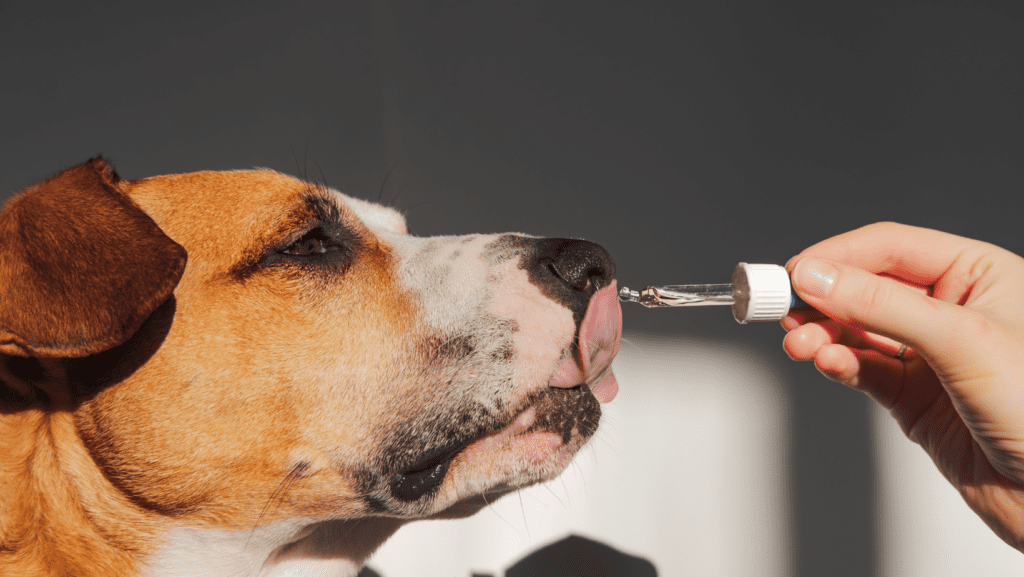
Is this all a bit overwhelming? A multivitamin could be all that you need to boost nutrients and vitamins in your dogs diet. It was selling at a great price when we looked – check the price now! Multivitamin for Dogs with Hemp – Glucosamine Chondroitin + Msm for Hip & Joint Health – Enzymes & Probiotics for Digestion – Vitamins & Omega 3 for Skin & Coat + Heart & Immune
Plant Based Diet
As a keen dog owner, I really try to create a nutritious diet for my pups. This means I focus on essential nutrients – which can be sourced from both plant and animal ingredients. But, it can become quite the challenge if you try to compare plant-based ingredients to animal-derived foods, as plants can fall short in certain nutrient departments for dogs, and so can animal products in others.
The good thing is that plant based dog nutrition is easier because of store bought dog foods. Ready-to-serve foods can supplement a plant-based diet with a big dose of added vitamins and minerals.
Plant-based commercial pet foods, like Halo Vegan Dry Dog Food, Garden of Vegan, focus on essential amounts of nutrients rather than just specific ingredients. They aim to make up for any nutrients that are missing from the home-made plant-based meal planning.
Also, plant-based diets they have to follow the same criteria as animal product foods to meet the Australian Standards (outlined by the Pet Food Industry Association Australia) [4].
If you want to know more about Vegan or Vegetarian Diets for your dog, here is an article by an Australian Vegan food company – Vegan / Vegetarian Diet For Dogs
Treats and Suppliments
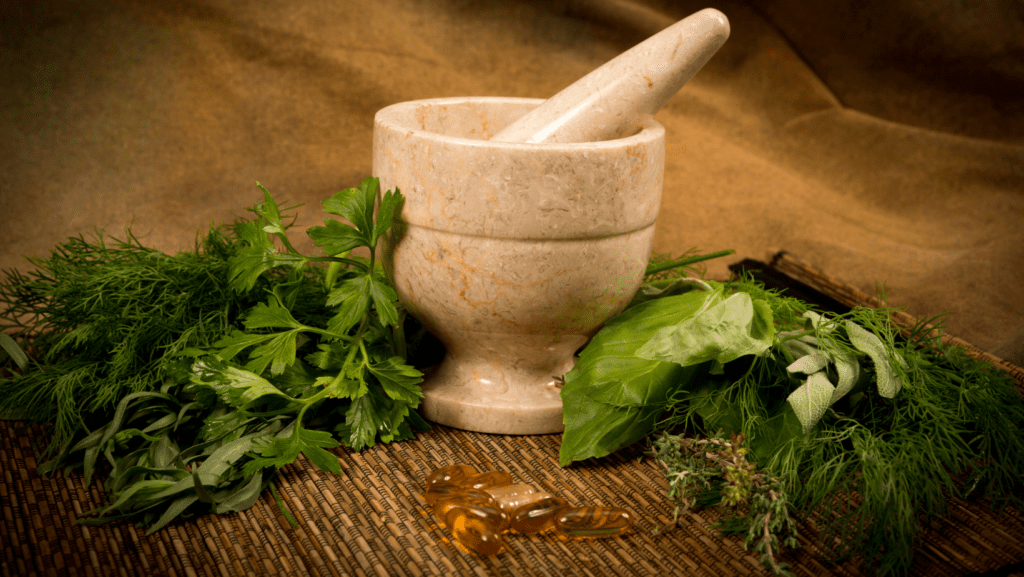
On top of main meals, there is a huge range of foods that can give your dog nutrients. Some of these nutritional bonuses are fruits, vegetables, botanicals, whole grains, and dietary supplements, which all play a different role in improving the overall well-being of your dog.
- Fruits and Vegetables: Bursting with colours and flavours, fruits and vegetables bring so many essential nutrients to your doggies dinner table. These include dietary fibres, vitamins, and minerals, which provide not only energy, but also better digestion and immunity.
- Botanicals: These plant-derived compounds are found in herbs and plants. Antioxidant-rich parsley and soothing chamomile are examples of botanicals that can address specific health concerns.
- Whole Grains: These foods are filled with fibre, vitamins, and minerals which provide sustained energy and better digestive health. Examples include brown rice, quinoa, and oats.
- Dietary Supplements: As the name suggests, dietary supplements are nutritional boosters, filling in the gaps of your dog’s diet. These supplements may include omega-3 fatty acids, glucosamine and probiotics, targeting specific health needs such as joint health, skin and coat condition, and gut health.
The magic of these foods come from the essential amino acids and bioactive components, which provide more than just the basic needs of macronutrients. They support various aspects of a dog’s health, from maintaining a shiny coat to increasing immune defences. So, when you include these nutrient-full foods into your pup’s diet, you are improving their well-being [3].
Considerations for Diet Choices
Choosing the right diet for your doggie becomes even more difficult when you realise you have to consider the specific health conditions, age, and weight of your dog. So, below are some key things you should think of if you want to meet the unique needs of your dogs:
Big Dogs
Big dogs can develop a weakened bone structure under their joint cartilage, which makes it hard for their body to support the joint properly. Overfeeding big dogs, especially ones that are already prone to rapid growth (like Great Danes and Saint Bernard’s), worsens the joint strength. If your dog has weakened bones or is at risk of weakened bones, it is super important to controlling their diet and growth rate to prevent these bone and joint issues. [6]
Old Dogs
In old age-related, dogs can suffer a loss of muscle. It’s a really complex process, affected by a few different things, but dietary factors play a huge part. These dogs really benefit from increased protein and vitamin D intake, as well as other nutrients related to inflammation. Its important to discuss age related changes and diet with your vet, because just like in humans, losing muscle mass in pets is associated with increased risk of death [5]
Renal Troubles
Some dogs suffer from renal issues, which are problems or diseases related to the kidneys. The kidneys play a crucial role in maintaining a dog’s overall health by filtering and removing waste products from the blood, and producing urine. Vets often recommend low phosphorus and moderate protein foods to ease the strain on the kidneys. This comes from specialised renal diets formulated by veterinarians as well as additional controlled amounts of high-quality home cooked protein.
Puppies
Puppies have distinct nutritional requirements for growth and development. Diets formulated for puppies typically contain higher levels of protein, fats, and essential nutrients to support their rapid growth and the development of strong bones and muscles. Read more about Puppy Diets here.
Conclusion
Basically, when it comes to feeding your pets, homemade, raw, and vegan diets can work, but it’s crucial to understand that dogs have specific nutritional and calorie needs. The best way is to talk to your vet, run some health checks, and consider your pet’s size and breed to see if they need a special diet. A good diet usually includes regular commercial pet food, with some treats and occasional homemade or raw foods to make it enjoyable and provide extra nutrients. The study shows that there’s a variety of ways people feed their pets, but it’s important to keep things balanced and properly formulated, especially if you’re not using commercial pet food. It also points out some things to consider for big dogs and older pets to make sure they stay healthy in the long run.
1. Dodd, S., Cave, N., Abood, S., Shoveller, A.-K., Adolphe, J., & Verbrugghe, A. (2020). An observational study of pet feeding practices and how these have changed between 2008 and 2018. Veterinary Record. Advance online publication.
2. Dillitzer, N., Becker, N., & Kienzle, E. (2011, October 12). Intake of minerals, trace elements and vitamins in bone and raw food rations in adult dogs. British Journal of Nutrition, 106(S1).
3. Di Cerbo, A., Morales-Medina, J. C., Palmieri, B., Pezzuto, F., Cocco, R., Flores, G., & Iannitti, T. (2017). Functional foods in pet nutrition: Focus on dogs and cats. Research in Veterinary Science.
4. Dodd, S. A. S., Adolphe, J. L., & Verbrugghe, A. (2018). Plant-based diets for dogs. Journal of the American Veterinary Medical Association, 253(11), 1425.
5. Laflamme, D. (2018). Effect of diet on loss and preservation of lean body mass in aging dogs and cats. In Companion Animal Nutrition Summit. purinainstitute.com.
6. Dämmrich, K. (1991). Relationship between Nutrition and Bone Growth in Large and Giant Dogs. The Journal of Nutrition, 121(Suppl. 11), S114-S121.


I just like the helpful information you supply in your articles.
I’ll bookmark your weblog and test again right here regularly.
I am rather certain I’ll learn a lot of new stuff proper right here!
Best of luck for the following!
Do you mind if I quote a few of your articles as long as I provide credit
and sources back to your website? My blog is in the very same niche as yours and my visitors would certainly benefit from a lot of
the information you provide here. Please let me know if
this okay with you. Cheers!
Of course.