
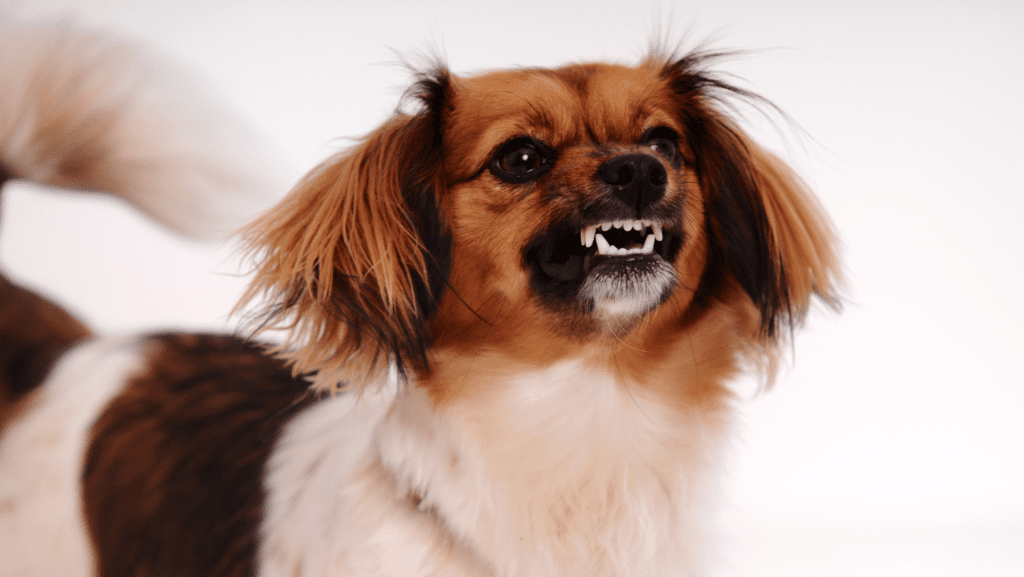
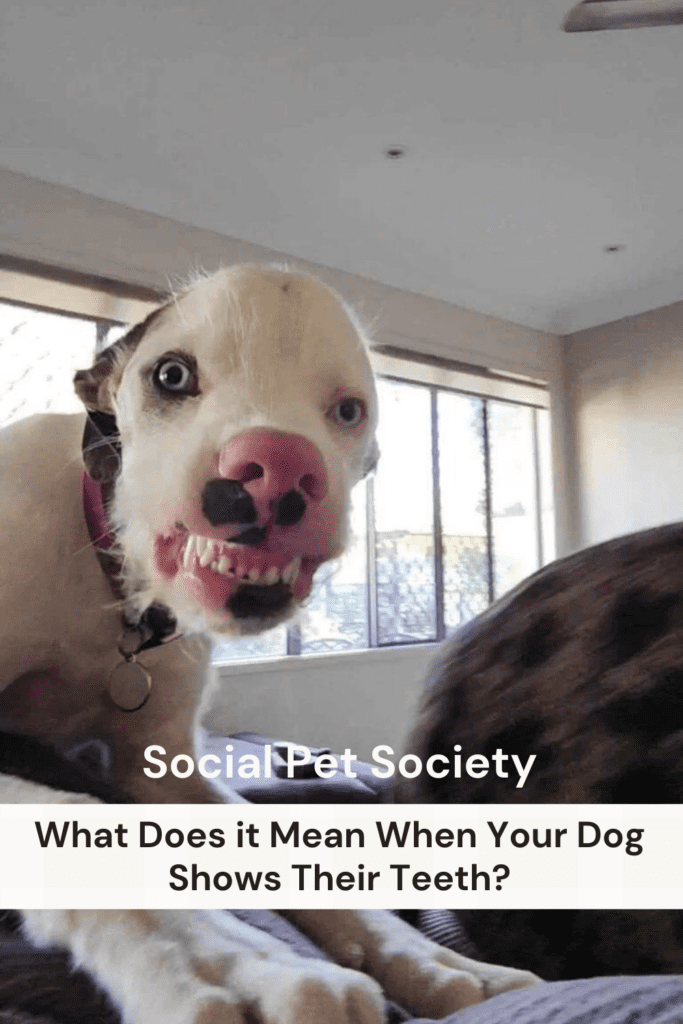
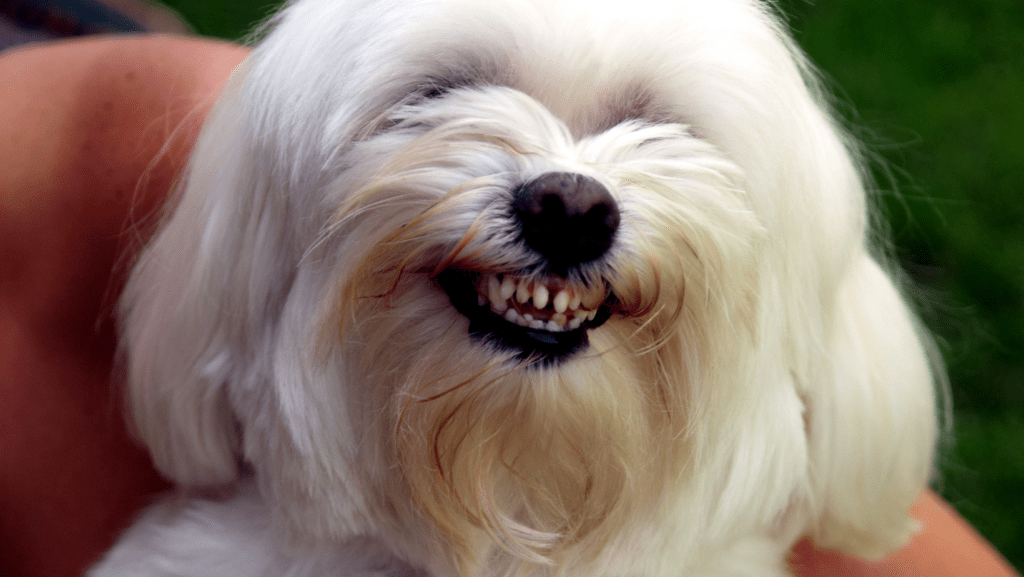
My friend has a big dog who regularly shows all of her teeth, in what looks like a cross between a smile and a scowl. At first I was worried because it looked dangerous, but after spending more time around her and doing some research, I realised it wasn’t aggressive at all.
It’s uncommon, but some dogs have a ‘submissive grin,’ which is their way of showing that you are in charge. Another reason a dog may display this smile is due to generalised anxiety. This grin poses no danger; however, if a dog growls while baring their teeth, that is aggression.
Table of Contents
Disclosure: This article includes affiliate links. If you click on these links and make a purchase, I receive a small commission. This comes at no extra cost to you but greatly supports the maintenance of this site. Learn more here.
Importance of Understanding a Smiling Dog
It’s super important to be able to tell the difference between when your dog is showing aggression and when it’s being submissive. Mixing them up could lead to a dog bite or attack, especially in children, who struggle to understand the difference between a happy and an aggressive dog [1].
Here’s the main difference between the two:
Aggressive teeth baring
This usually happens when your dog feels threatened or defensive, kind of like a warning.
Submissive grin
This is usually when your dog is trying to show respect or submission to someone or something.
Do Dogs Understand Human Smiles?
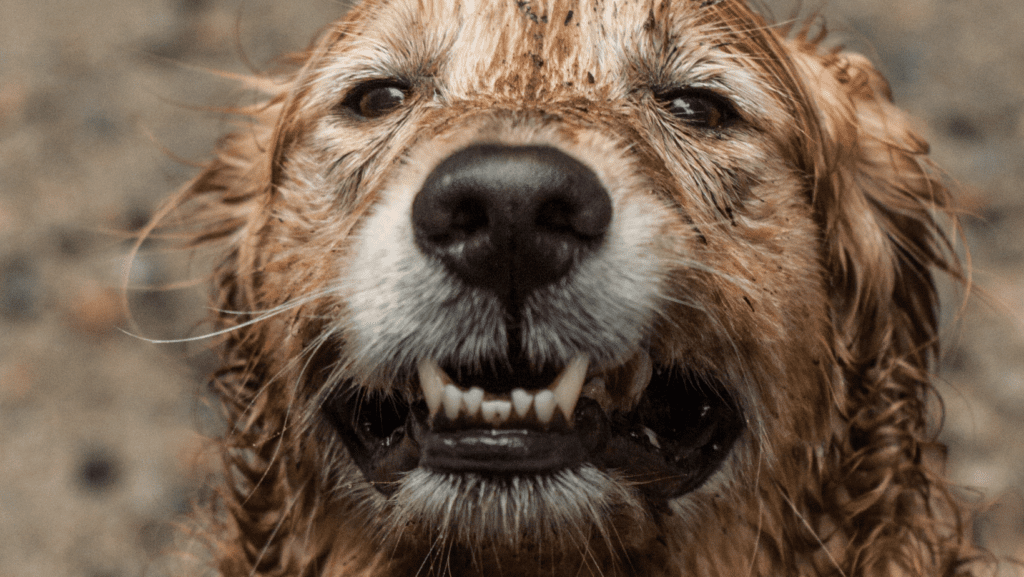
Your dog is pretty clever and they do understand your smile. Your dog will react to your facial expressions and can tell if you’re happy or mad.
But they can only do that based on what else is going on. For example, if there are no other signs that you are happy (like making happy sounds or actions), a smile with teeth showing can actually look unfriendly to them, or even aggressive [2].
What Does this Grin Look Like?
A grin by your dog is characterised by lips retracted to expose teeth, often accompanied by a relaxed body posture and submissive behaviour. Your dog may pull back its lips in a manner that appears to form a smile.
These smiles are usually displayed in situations where your dog acknowledges the authority or dominance of either you, someone in your family or another dog [3].

Reasons Why Dogs Grin
To Show You Are the Master
By smiling, your dog is attempting to communicate their submission. They are trying to acknowledge the person who they are smiling at, and say “you are the leader” [4].
Generalised Anxiety
Recent studies also say that smiling in dogs can indicate generalised anxiety. If your dog experiences anxiety or discomfort they may display other submissive behaviours, as well as smiling, to try to appease you or avoid conflict.
Recognising signs of anxiety in dogs is crucial for providing appropriate care and support to address their emotional well-being. You can ask your vet for information if you suspect this is the case [5].
Signs of Aggression versus Submissiveness in Dogs
Aggressive Behaviour
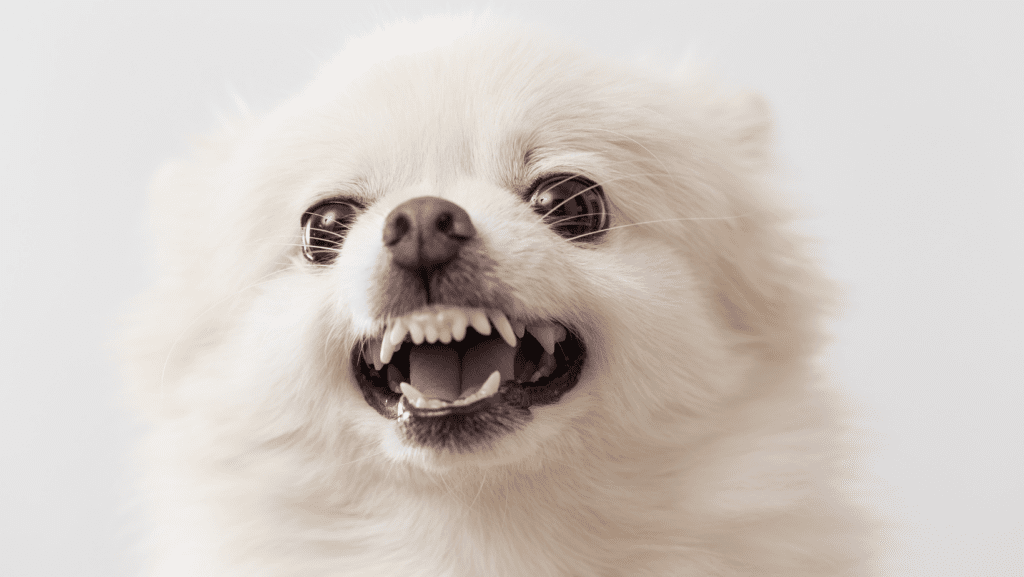
- Teeth Bared: Displaying teeth in a threatening manner is a clear sign of aggression in dogs. This typically involves the lips pulled back to expose the teeth, often accompanied by growling or snarling.
- Tail Erect: An erect or stiffly raised tail can indicate heightened arousal and readiness to attack. Aggressive dogs may hold their tails high, signalling dominance or assertiveness.
- Ears Erect: When a dog’s ears are erect and forward-facing, it suggests alertness and attentiveness to potential threats or challenges.
- Eyes Focused and Staring: Aggressive dogs often maintain intense eye contact with their target, staring directly and unwaveringly. This focused gaze is a warning sign of impending aggression or confrontation.
Submissive Behaviour
- Squinting Eyes or Indirect Eye Contact: Submissive dogs may avert their gaze or squint their eyes as a sign of deference or submission. Avoiding direct eye contact communicates non-aggression and a willingness to yield.
- Loose Body Posture: Submissive dogs typically exhibit a relaxed and non-threatening body posture. They may lower their body closer to the ground, with relaxed muscles and a lack of tension.
- Loose Tail and Ears Back: A submissive dog’s tail is often held low or tucked between the hind legs, indicating submission and vulnerability. Additionally, ears pulled back against the head convey a lack of assertiveness and a desire to appease.
Understanding these subtle cues in a dog’s body language is crucial for accurately assessing their emotional state and intentions.
What To Do about an Aggressive Dog
If your dog is growling and showing teeth, it’s really important to understand why this behaviour is happening and how to address it properly. These signs of aggression show that your dog feels intimidated, stressed, confused, or threatened.
Tip: It may be worthwhile to consult with your veterinarian first to rule out any potential medical issues that could be contributing to the behaviour.
To address your dog’s aggression, consider the following steps:
- Ensure Adequate Exercise: Regular physical activity, such as walking for 30-60 minutes at least 1-2 times a day, can help release pent-up energy and frustration, promoting a calmer demeanour in your dog.
- Seek Professional Help: Consulting with a dog behavioural specialist is highly recommended. These experts can provide personalised guidance and one-on-one assistance in understanding and addressing your dog’s aggressive behaviour.
- Avoid Triggering Situations: Minimise exposure to situations that trigger your dog’s aggression whenever possible. For example, if aggression occurs during mealtime between multiple dogs, feeding them separately in different rooms can help minimise tension.
- Remain Calm: It’s essential to stay composed and avoid getting frustrated or agitated when dealing with your dog’s aggressive behaviour. This can help de-escalate the situation and make it easier to manage.
- Commit to Training: Follow the training plan recommended by your dog behaviourist consistently. Behavior modification takes time and patience, but with dedication and effort, you can effectively manage and modify your dog’s aggressive behaviour.
By taking these steps and working closely with professionals, you can create a safer and more harmonious environment for both you and your furry companion (6).

Can I Teach my Dog to Smile on Command?
Step-by-Step Guide to Training Your Dog to Submissively Smile on Cue:
Step 1: Ensure a Relaxed Environment
- Before beginning training, ensure your dog is not anxious or displaying any signs of aggression.
- It’s crucial to create a calm and positive atmosphere for effective training.
Step 2: Reinforce Natural Behaviour
- Watch for instances where your dog naturally displays a grin.
- When you observe this behaviour, immediately reinforce it with a treat.
- Remember, not all dogs exhibit this behaviour, so be patient.
Step 3: Introduce Verbal Cue
- Once your dog begins to associate the smile with receiving a treat, introduce a verbal cue that you want your dog to respond to just before displaying the behaviour.
- For example, if you want your dog to smile when you say, “Say cheese!”, use these words right before your dog shows their teeth and follow up with a reward.
Step 4: Encourage Teeth Exposure
- Find opportunities to encourage your dog to show its teeth.
- For instance, if you brush your dog’s teeth regularly, use this as a chance to reinforce the behaviour by associating it with the verbal cue.
- You can also use small amounts of dog-safe human food, such as fruits or vegetables, to elicit the behaviour.
- Never reward aggressive behaviour.
Step 5: Start Training Sessions
- Once there is a firm connection between the command and the behaviour, initiate proper training sessions to solidify this association.
- Offer words of encouragement and provide verbal and physical rewards as your dog responds to the command.
- Practice the command several times a day, aiming for 5 to 15 repetitions per session, until your dog seems to have mastered the behaviour.
By following these steps and remaining patient and consistent in your training efforts, you can teach your dog to submissively smile on cue.
Want to train your dog easily or just give a treat to praise them? Give them a taste of joy with Pet ‘n Shape Chik ‘n Skewers—a chicken-wrapped rawhide dog chew that’s all-natural and grain-free. These delicious treats, designed for puppies, adults, and seniors of all breeds, bring more than just flavour. Crafted from natural chicken breast filets and cowhide, they offer a satisfyingly crunchy and chewy snack. Free from artificial additives and conveniently packed for freshness, these Chik ‘n Skewers ensure guilt-free indulgence. Find it on Amazon now.
Conclusion
Have you ever misinterpreted your dog’s body language, and how did you handle the situation? We’d love to hear your experiences and insights in the comments below!

Talitha Mulder
- https://link.springer.com/article/pii/S1558787820300484
- https://link.springer.com/article/10.3758/s13420-018-0325-2
- https://www.sciencedirect.com/science/article/pii/S1558787820300484
- https://books.google.com.au/books?hl=en&lr=&id=9SZ0slk2EOsC&oi=fnd&pg=PA15&dq=submissive+grin+dog&ots=eyVqdsVVio&sig=HsKrSgJ8qhz0W1Kpti9B87NF4KM#v=onepage&q=submissive%20grin%20dog&f=false
- https://www.sciencedirect.com/science/article/pii/S1558787820300484
- http://clarksvillehumanesociety.org/aggression-growl-show-teeth-or-snap

